
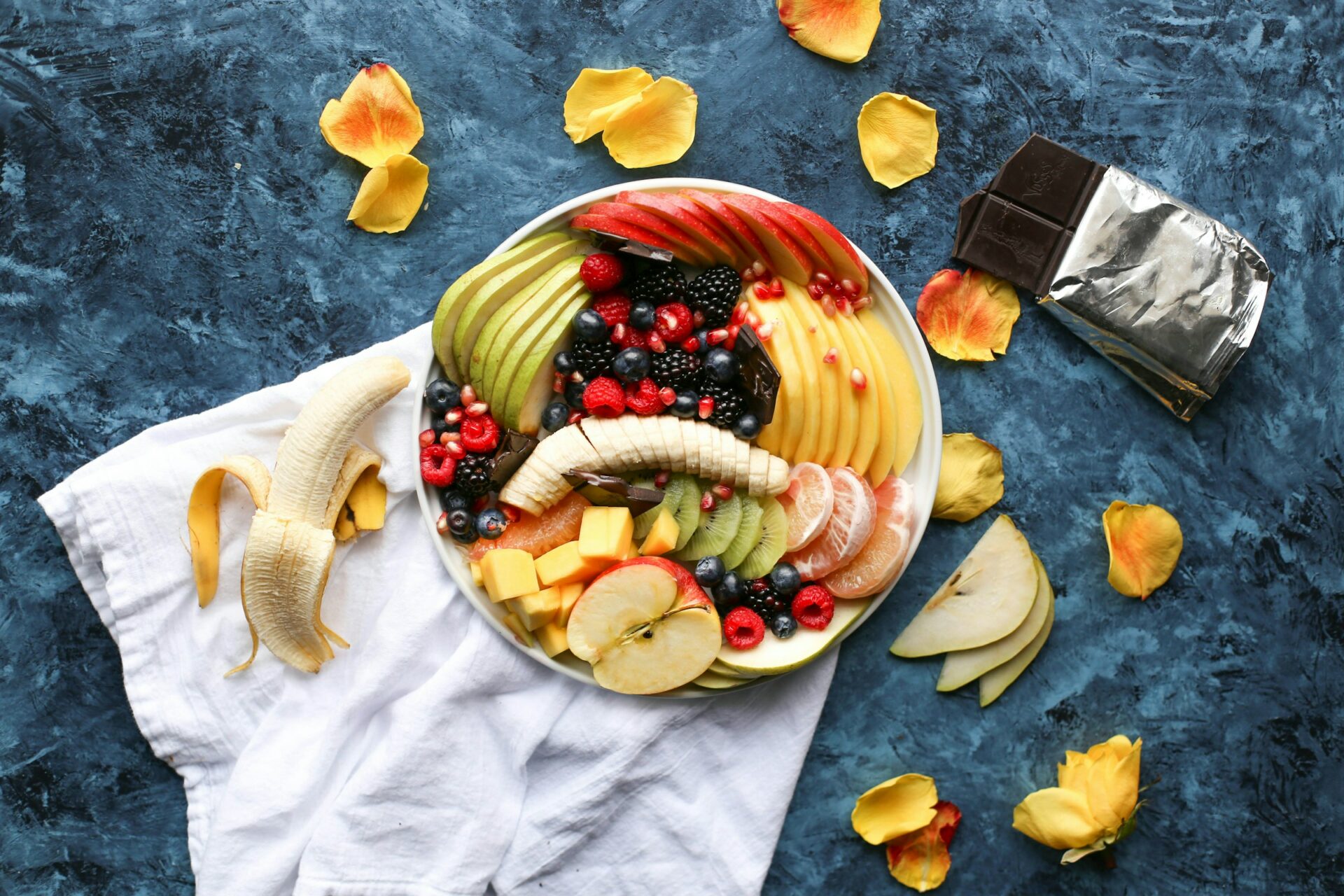
Light desserts: the question is simple, but the answer takes a bit of care… and fruit is here to help!
The question: “Can fruit replace ingredients like milk, butter, eggs and sugar when making desserts (and even sweetening drinks), to make them lighter and healthier?”
The answer is: “yes, as long as you choose the right type of fruit carefully and follow a few small precautions that keep the dessert holding together and preserve the fruit's beneficial properties.”
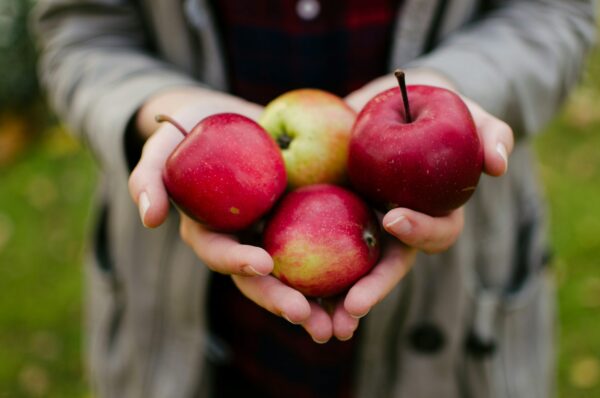
Let's start with apples, a wholesome, healthy fruit that has had to compete with trendier options like avocado and berries. Apples can be used in place of less healthy ingredients: if you want to make a dessert with cocoa, apple can, for example, replace milk as an ingredient in custard cream. The casein found in milk actually inhibits the absorption of cocoa's polyphenols, weakening their blood-pressure-regulating effect, which is instead boosted by the potassium found in apples.
And it's not just desserts. Apples can also be used as an alternative to milk and sugar when sweetening a drink much loved in Italy too: tea. The alternative to using milk, as well as sugar, is pairing it with a specific variety of apple, the Pinova, which is rich in important minerals such as potassium, phosphorus and calcium.
Much has been said about the beneficial properties of eggs. After being thrown into the mincer of “cancel culture”, in recent years there has been renewed discussion about the importance of their high-quality proteins: they provide numerous essential amino acids that the body cannot synthesise on its own, such as leucine and choline, both of great help in maintaining the integrity of cell membranes.
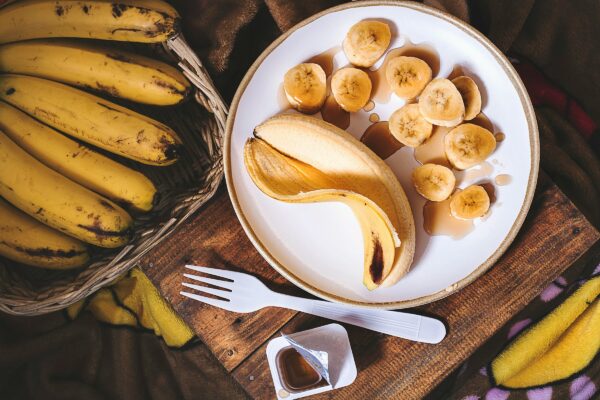
If you want to make doughnut cakes, muffins or biscuits, banana can be used in place of eggs: the binding properties of this fruit, so common on our tables, will help keep the mixture moist and soft. To make the substitution, simply mash half a banana (even a ripe one works well) on a small plate and add it to the mixture at the start of preparing your dessert. Do bear in mind, though: replacing eggs should also be paired with 2 tablespoons of potato starch and 2 tablespoons of water, plus half a pot of yoghurt.
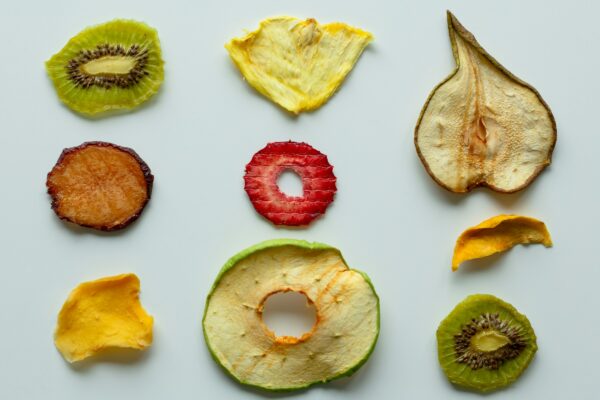
To sweeten cakes and biscuits, we can turn to ingredients with natural sugars such as fresh fruit, nuts and dried fruit. By doing so, the fructose in the fruit is paired with fibre, which helps buffer blood sugar levels and reduces the absorption of the sugars it contains.
This substitution can be tried out on a great classic: tiramisu cake. For the base, you can use 30 grams of carob flour and 2 tablespoons of coconut flour; for the cream, you'll need 750 grams of unsweetened almond milk. The remaining ingredients for the base are: 220 grams of walnuts, 100 grams of pitted dates, 1 tablespoon of vanilla powder, 2 tablespoons of instant soluble chicory. For the cream, besides the almond milk, you'll also need 90 grams of pitted dates, 60 grams of kuzu, 150 grams of plain cashews, lemon zest, a teaspoon of vanilla powder and salt. The result will be a dessert with just 260 kilocalories!
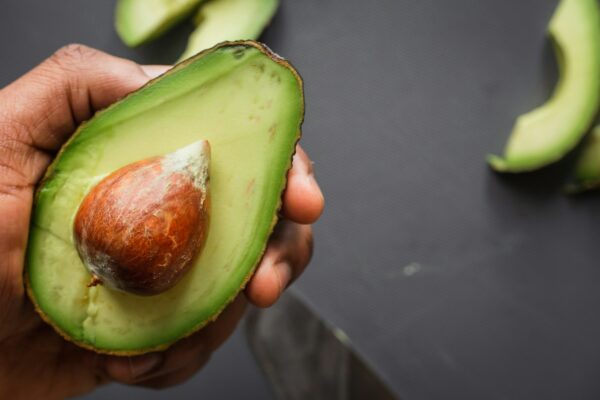
Anyone who doesn't want to or can't use butter, whether due to intolerance, a low-calorie diet or a vegan lifestyle choice, can turn to what has become the symbolic fruit of modern health-conscious diets: avocado. Butter is used in desserts to add moisture, act as a binder and help with rising when creamed together with sugar.
Avocado is the fruit that most closely resembles butter in its natural state, making it ideal for shortcrust pastry. Keep in mind that one cup of avocado roughly corresponds to one cup of butter; to make shortcrust pastry, simply mash the fruit with a fork and use it in place of butter when preparing the dough!