
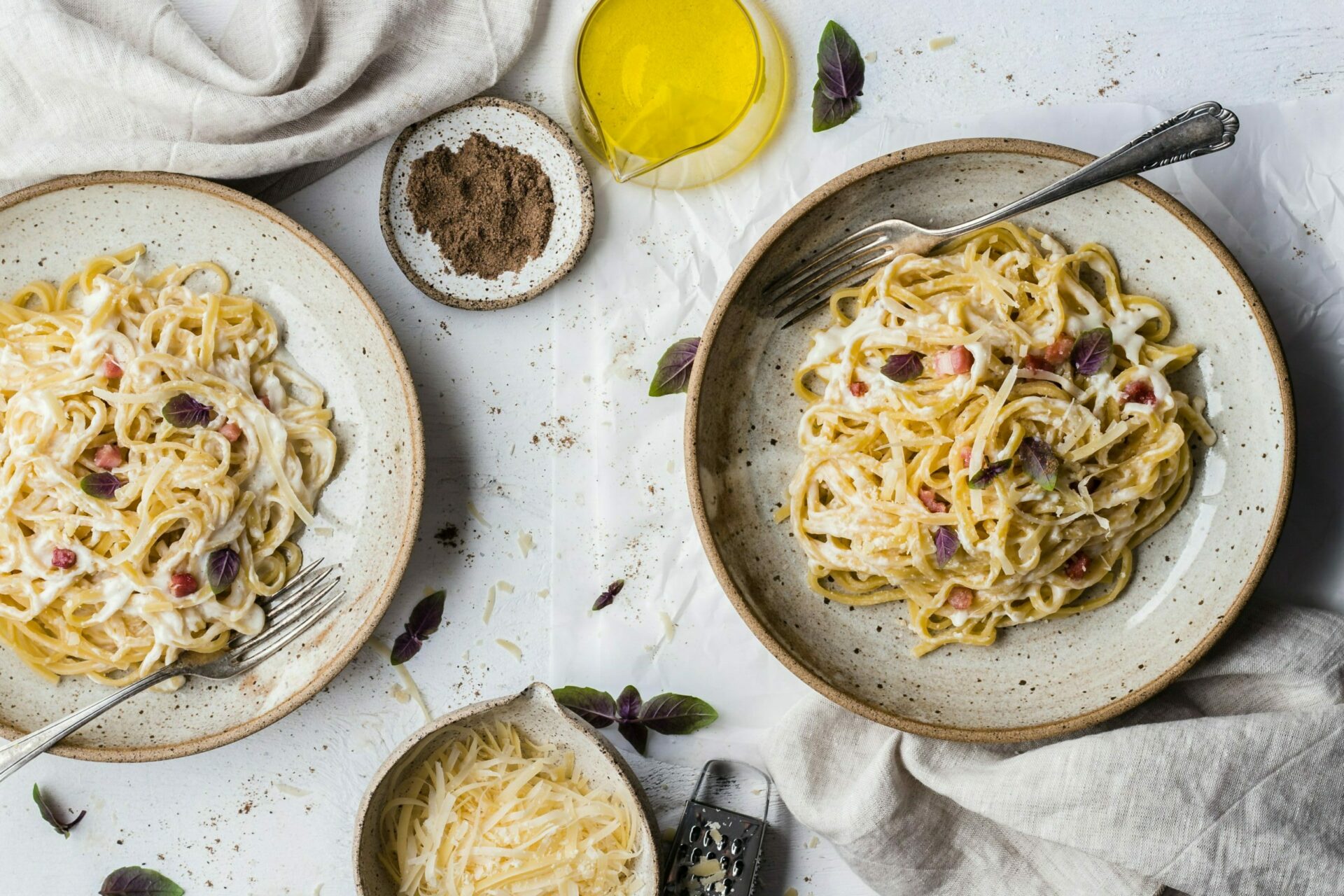
On 6 April comes Carbonara Day, the day dedicated to celebrating one of the most classic recipes in Roman cuisine, though the origins of the dish remain a mystery to this day.
Spaghetti, guanciale, egg yolk and pecorino romano – and carbonara is served. This traditional Roman dish is one of the symbols of Italy's and Lazio's culinary heritage, so much so that in 2017 the Unione Italiana Food and International Pasta Organization decided to establish Carbonara Day on 6 April every year.
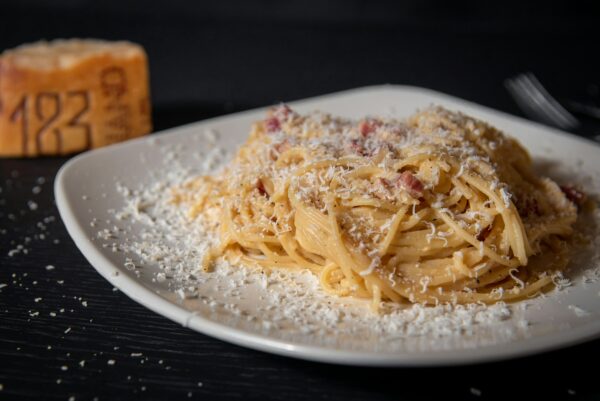
Scholars have long debated the origins of the carbonara recipe. Some claim the dish was invented in the 19th century, yet the most famous cookbook of that era – "La scienza in cucina e l'arte di mangiar bene" ("Science in the Kitchen and the Art of Eating Well") by Pellegrino Artusi – makes no mention of carbonara, meaning its invention must be placed in the 20th century instead. And this is where the Americans come into the picture.
Some credit the invention of the recipe to American soldiers who, during the Second World War, combined Italian spaghetti with the bacon and powdered eggs issued to them in their K-rations, giving rise to the first version of carbonara.
But the more romantically inclined put a name and a face to the dish's inventor: Renato Gualandi, a chef from Bologna said to have been the first to make carbonara, to satisfy the Allied generals back in 1944.
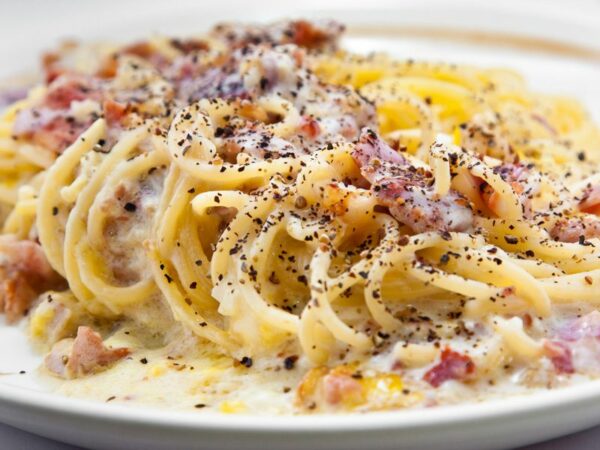
The idea of establishing a carbonara day was born to promote Italian cuisine and the "Made in Italy" brand, focusing on one of the country's most traditional, emblematic and age-old recipes. A simple dish, yet one that is tasty and rich enough to win everyone over with its flavour.
Carbonara Day has become largely a social media occasion, with influencers, bloggers, chefs and enthusiasts every year marking the date by cooking and sharing their dishes online. On Twitter, the hashtag #carbonaraday racks up more than 50,000 tweets annually, while on other social platforms thousands of photos and videos are dedicated to this classic spaghetti dish.
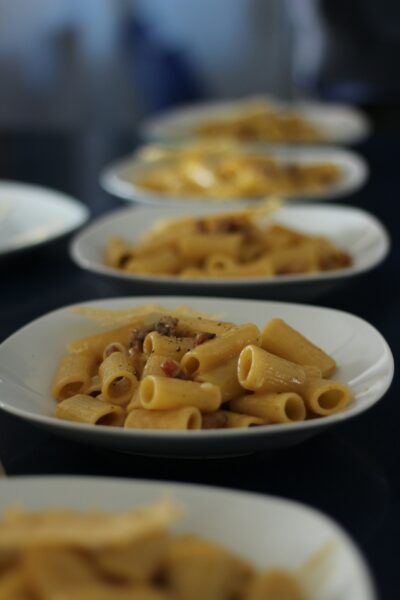
Carbonara, like every classic of Italian cuisine, must stick to the traditional recipe, which for everyone is one and the same, with these main ingredients: guanciale (cured pork cheek), egg yolk, pecorino romano DOP and spaghetti. Everything else is off-limits – it simply doesn't go in!
Among the champions of the classic, no-frills and distinctly Italian recipe is Gianfranco Vissani, who recently reaffirmed the dish's Italian identity. According to chef Vissani, a perfect carbonara requires an iron pan, which browns the guanciale (cut into strips, never cubes!) to perfection, letting it release its fat with no need to add oil. Then comes the egg yolk with a pinch of pepper, spaghetti made from durum wheat (not egg pasta!) and pecorino romano DOP (with parmesan as an alternative for those who prefer a milder, less salty flavour). To avoid cooking the egg, the spaghetti should be tossed in the pan with the guanciale, then transferred to a bowl with the egg and pecorino and tossed for a few more seconds before being served.