
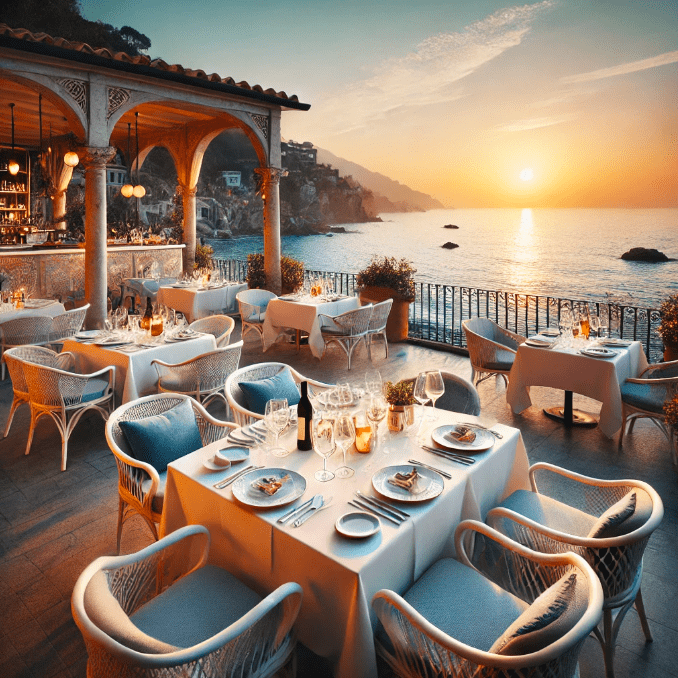
We all know Italians are famous worldwide for their unconditional passion for good food, and not just for the quality of the dishes. A recent study has revealed that Italy ranks third among countries where people spend the most time at the table, behind France and Turkey. But how do other nations compare, and what can we deduce from these cultural differences? Let's explore the link between time spent eating, health and lifestyle around the world.
Eating as a social and cultural act
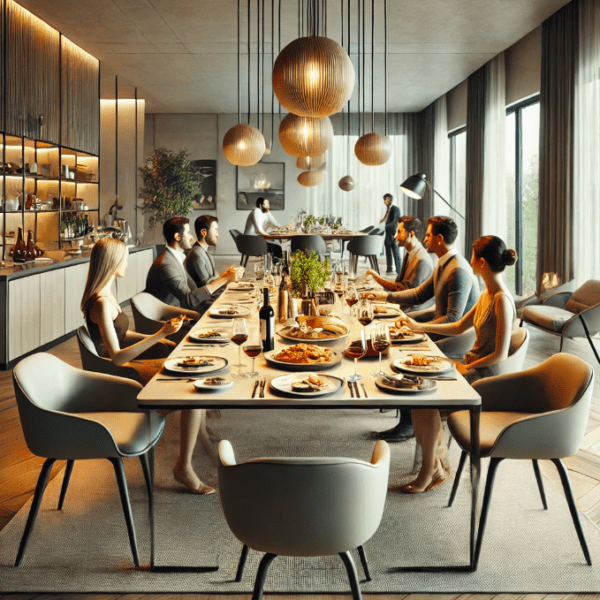
In Italy, mealtime is much more than a necessity: it's a moment of togetherness and connection. Families, friends and colleagues gather at the table to share not just food, but also experiences and conversation. With an average of over 2 hours a day spent between lunch and dinner, Italy embodies a tradition rooted in conviviality and the pleasure of savouring every dish. This time dedicated to meals reflects a deep respect for culinary culture and sociability.
Global comparison: other nations at the table
Topping the ranking is France, where the tradition of long meals is even more pronounced. The French spend an average of 2 hours and 13 minutes a day eating, with lunches that often turn into elaborate tasting sessions. Turkey, in second place, follows closely with over 2 hours dedicated to meals, a sign of the strong bond between food and hospitality. Right behind, almost tied, come the Italians, with an average of 2 hours and 7 minutes, and the Spanish, with one minute less.
By contrast, many other Western and Asian nations devote far less time to meals. The United States is known for the speed with which people eat, with an average of less than an hour a day. Meals are often quick, eaten "on the go" or in front of a screen, reflecting a frenetic lifestyle. In the United Kingdom and Japan too, time spent on meals is notably reduced, at around 1 hour a day. In Japan's case, although there's a deep food culture, especially when it comes to sushi or traditional dishes, modernity and urban life have often made lunch a quick, solitary meal.
Eating slowly: a health advantage
In Italy and other Mediterranean nations, slow eating isn't just a matter of culture, it also has beneficial effects on health. Thanks to the Mediterranean diet, Italians enjoy one of the highest life expectancies in the world. The mindful consumption of fresh food, fruit, vegetables, olive oil and fish, combined with time spent at the table, promotes better digestion and a reduced risk of metabolic diseases. In other nations, where fast food and quick meals are the norm, obesity levels and related health problems are more widespread.
The value of the lunch break: a sacred space in Italy
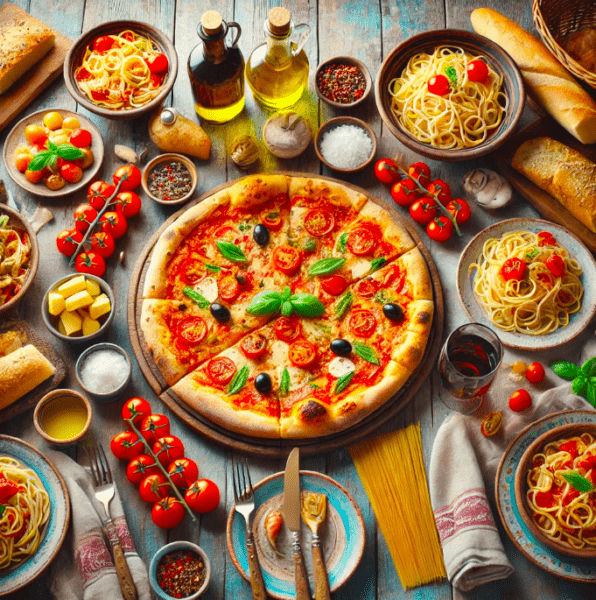
In Italy, even the lunch break takes on particular importance, especially on working days. Many companies and offices grant longer breaks precisely to allow employees to sit down at the table and enjoy a proper meal. This is a crucial aspect that sets Italy apart from countries like the United States or the United Kingdom, where meals are often eaten at the desk or in front of the computer. The ritual of the Italian lunch break is a moment of regeneration, of disconnecting from the work routine and relaxing, which improves productivity and psychophysical wellbeing.
Food as a tourist attraction: an Italian treasure
The time Italians spend at the table also has a positive impact on tourism. Italy is one of tourists' favourite destinations for food and wine experiences. From the traditional cuisine of cities like Bologna and Naples, to the wines of the Tuscan and Sicilian countryside, food is a central part of the tourist experience. The slowness and care taken in preparing and tasting dishes fascinates visitors, who immerse themselves in a culture where every meal is a celebration.
The time Italians spend at the table shows that food is not just nourishment, but a cultural, social and healthy experience. Ranking third among countries that dedicate the most time to meals confirms the central role of gastronomy and conviviality in everyday life. In Italy, every meal is an opportunity to celebrate quality of life, the bond with tradition and the value of human relationships.