
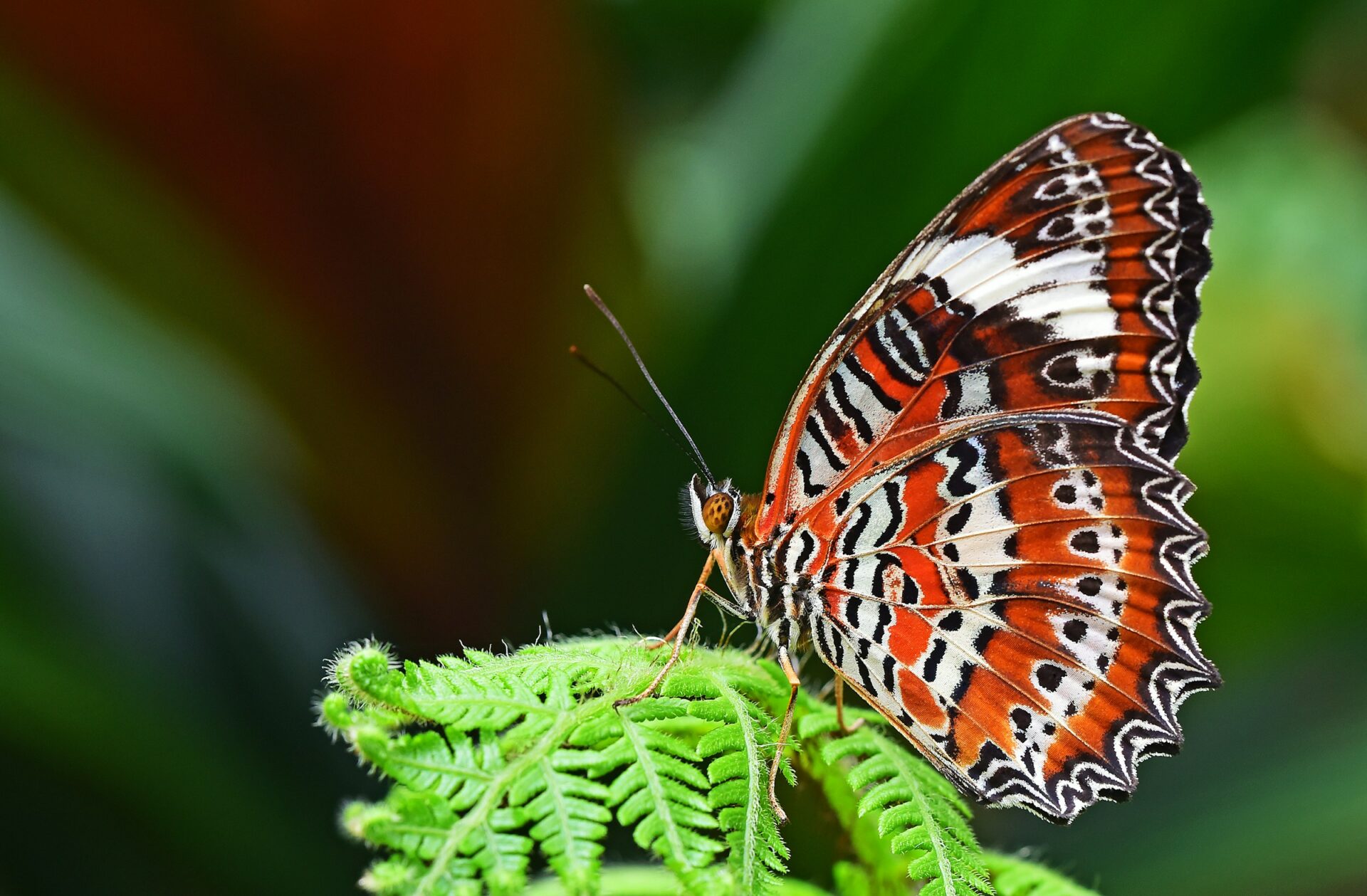
The 22nd of May marks World Biodiversity Day, established by the United Nations to celebrate the richness of life on our Planet.
Planet Earth is home to 8 billion people: this milestone, impressive in many respects, was reached in November 2023 and, as striking as it may seem, it represents only a tiny fraction of the variety that the natural world has to offer. Consider that, according to scientists' estimates, somewhere between 3 and 30 million species are thought to coexist peacefully on our planet.
Multiply these figures by every single existing specimen and you'll arrive at numbers that are hard even to imagine. And yet it takes just one species, the human one, not even the most numerous, to put all the others at risk. This is why, in light of everything outlined so far, it's more important than ever to mark an International Day such as the one organised by the United Nations every 22 May.
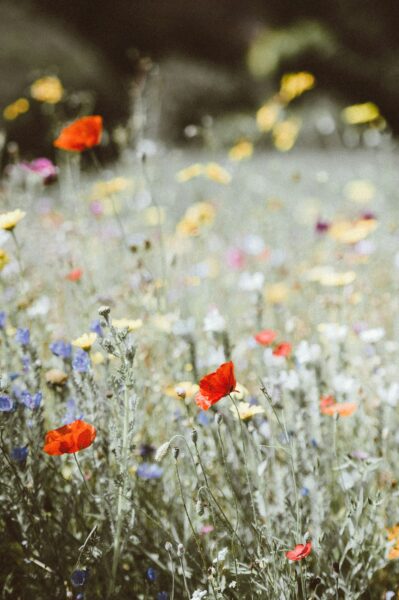
Every single living being, from jungle animals to Californian sequoias, including bacteria and insects, is part of biodiversity, which is nothing other than the extreme variety of organisms present on planet Earth. Because yes, this also includes all the tiny creatures that are often forgotten, yet remain fundamental to the great natural cycle.
“Be Part of the Plan” is this year's motto. It's a wake-up call for everyone involved in the issue, so that a series of measures can be put in place to solve already well-known problems and so that the Kunming-Montreal Global Biodiversity Framework, also known as the Biodiversity Plan, can be implemented.

The “mainstream” population, in particular, is being called upon to change its habits with a global green mindset, by reducing meat consumption, buying and eating seasonal food, cutting down on food waste and committing to composting (as part of a circular approach), limiting the use of single-use packaging and plastic materials, and more generally by promoting local and indigenous biodiversity.
Nairobi will be at the heart of the 2024 World Biodiversity Day celebrations: it's here, in the Kenyan capital, that two meetings of the Subsidiary Bodies of the Convention on Biological Diversity have been organised, namely the twenty-sixth meeting of the Subsidiary Body on Scientific, Technical and Technological Advice and the fourth meeting of the Subsidiary Body on Implementation.