
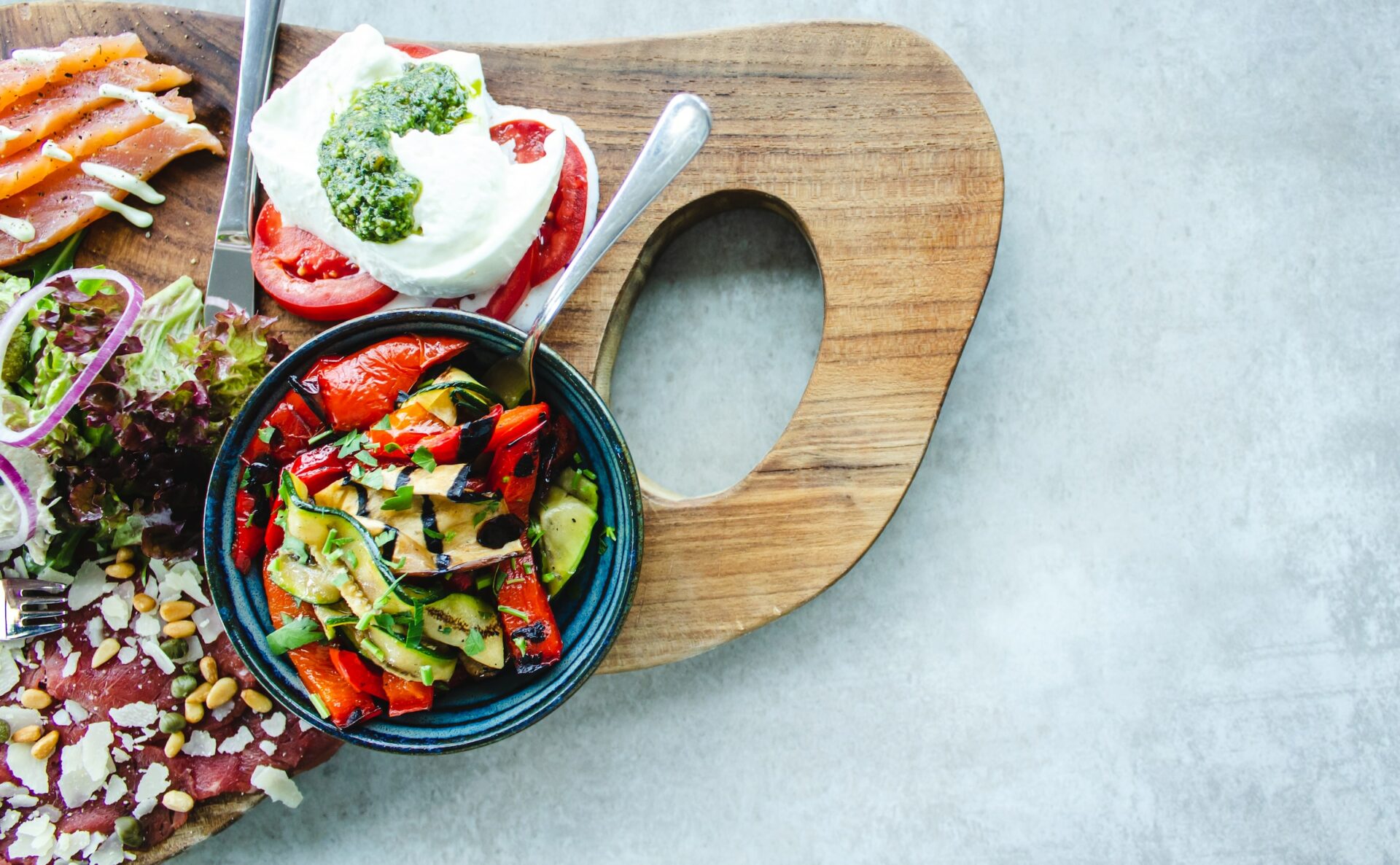
It was once simply the norm in almost every Italian household. Over the years it became the diet of choice for anyone wanting to eat healthily and in balance… yet today the Mediterranean diet is, sadly, almost disappearing!
With the pandemic and the green revolution, there is a growing need to rethink the way we produce and consume food. Indeed, sustainable diets are a topic that comes up more and more often. According to the European Congress on Obesity in Vienna, fewer and fewer people appear to be following the Mediterranean diet in its strict sense. It hasn't disappeared entirely, but it has changed considerably over time.
«The Mediterranean diet for children in Mediterranean countries is dead» – declares João Breda, head of the WHO European Office for the Prevention and Control of Noncommunicable Diseases. Today, the children closest to this diet are actually Swedish: this style of eating seems to be holding firm in the Nordic countries, particularly in Sweden.
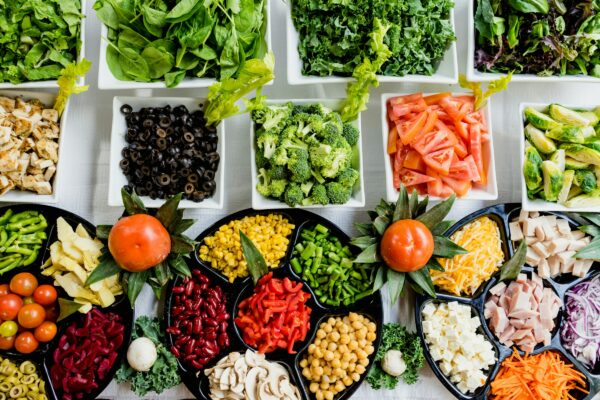
In 2013 the Mediterranean diet was inscribed as a UNESCO Intangible Cultural Heritage of Humanity, recognised for its benefits to health, its promotion of low-environmental-impact food production, and its role in preserving biodiversity.
A constant presence of grains, fresh seasonal fruit and vegetables, the use of olive oil to dress dishes, and only a moderate amount of fish, meat and dairy, with plant-based proteins from pulses favoured instead, are in essence the key ingredients of the Mediterranean diet.
We all say we eat this way, but in what quantities, how many days a week, with what balance? The answer: whenever it happens to work out. Because nowadays we're far more likely to reach for junk food and fizzy drinks, which are crowding out the rest of the foods that form the basis of the traditional Mediterranean diet.
For one reason or another, the Mediterranean diet is today followed by remarkably few Italians themselves. This is confirmed by a 2020 study by Crea Alimenti e Nutrizione (Italy's Council for Agricultural Research and Economics), which surveyed almost three thousand people in the country and found that only 13% of Italians actually put into practice the principles underpinning this diet.
«Among the most common mistakes are choosing fruit and vegetables out of season, consuming snacks and juices that are low in fibre and high in refined sugars, as well as eating too much meat, particularly red meat» – observes Alessio Molfino, an expert from the Italian Society of Clinical Nutrition and Metabolism. The key to living longer and avoiding chronic illness lies in adopting simpler eating habits, based on fresh, unprocessed, local food grown in sustainable ways.