
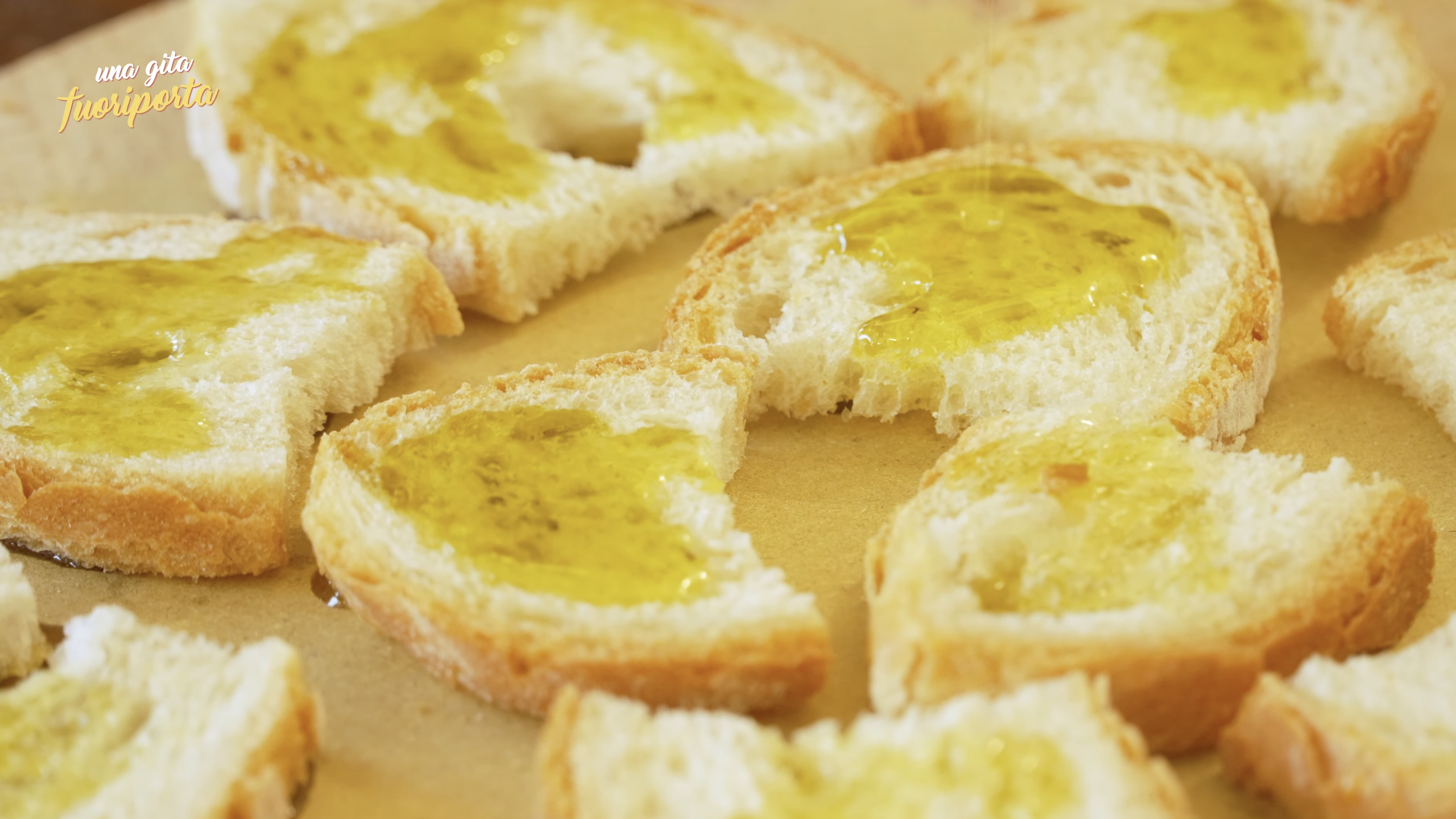
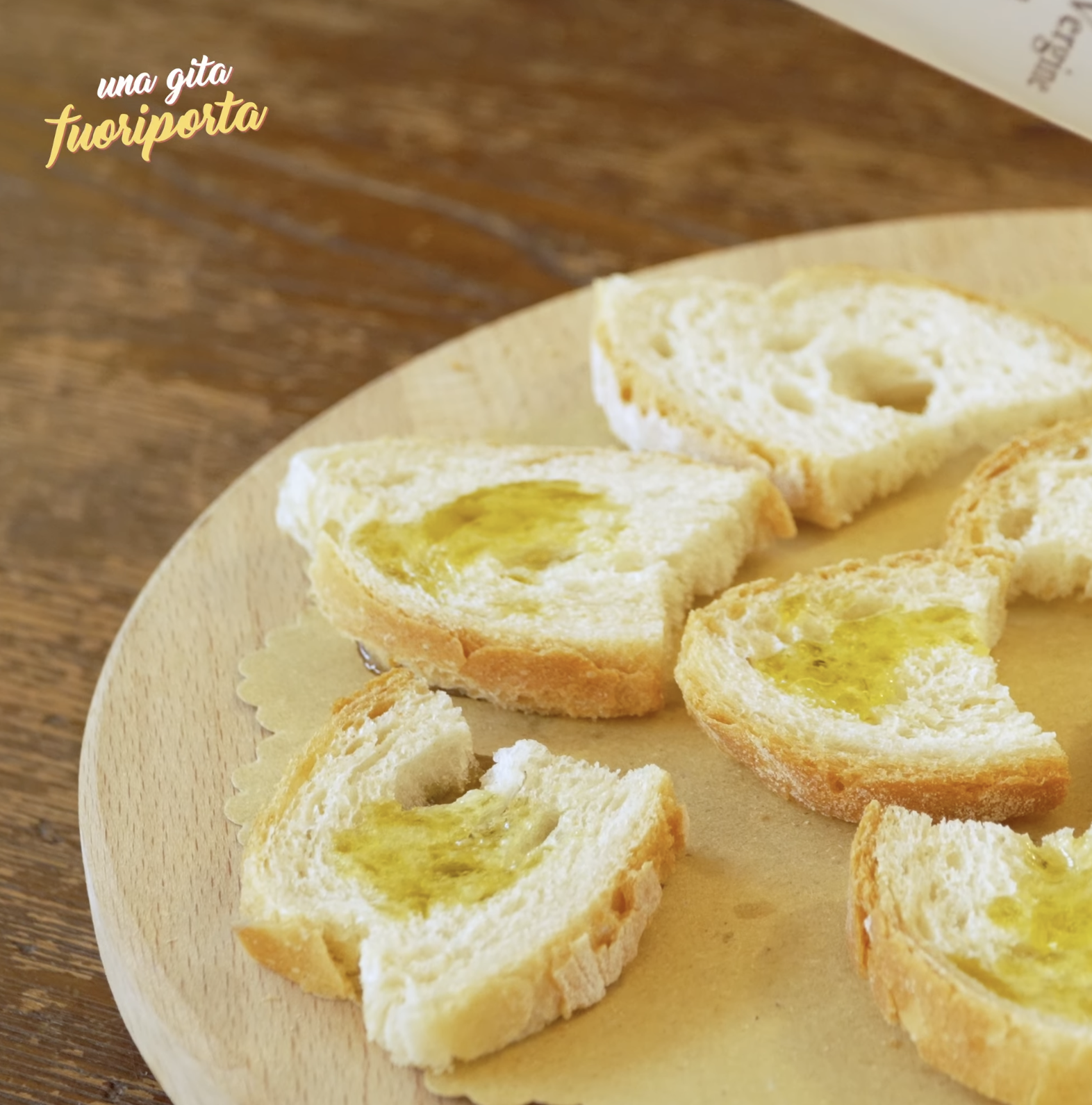
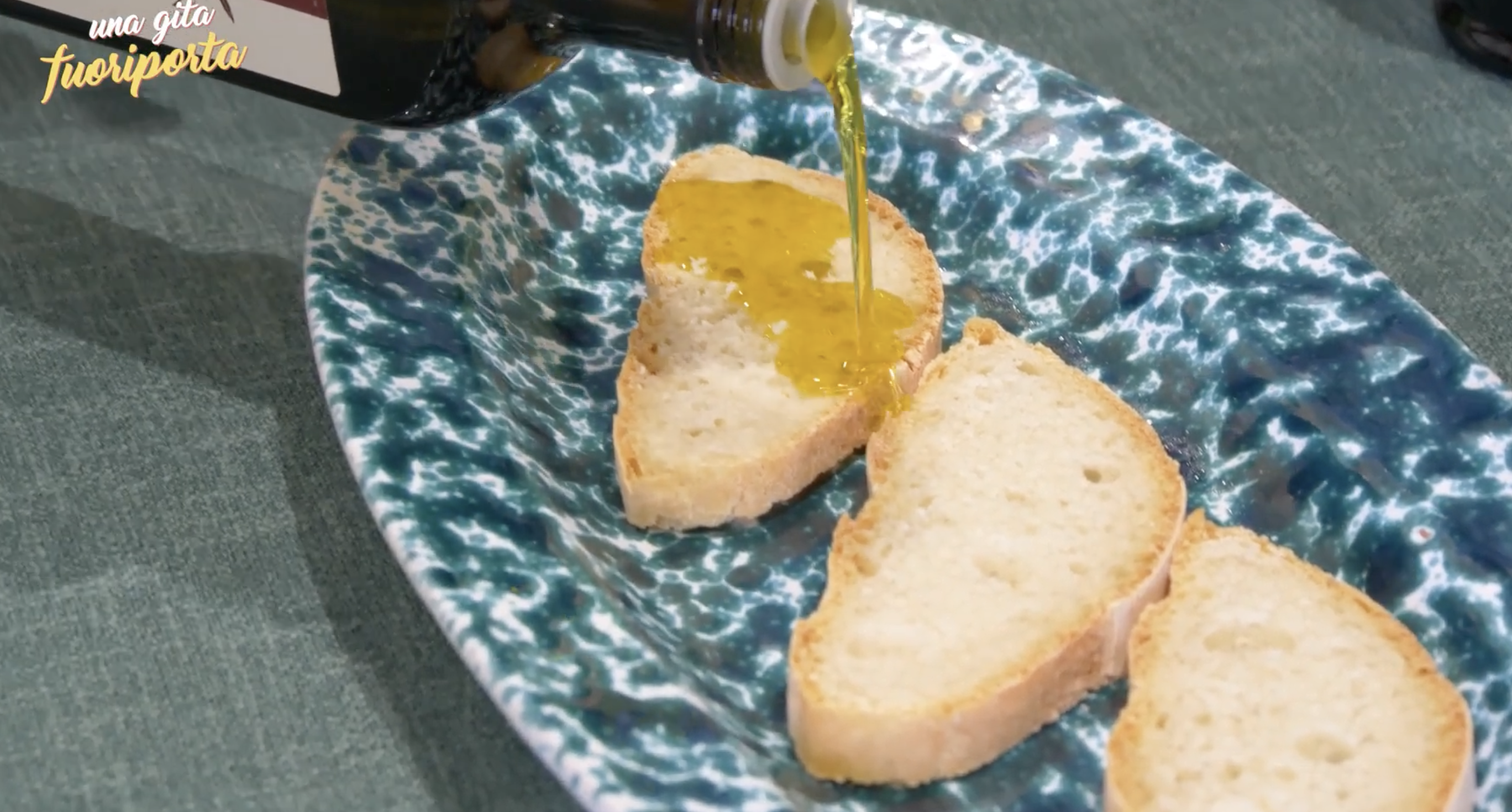
The olio nuovo 2026 (new-season olive oil) is arriving on our tables with a promise kept: it's good oil, very good indeed. Anyone who's stepped into an oil mill these past few weeks has felt it straight away, the moment the first green thread fell onto a slice of warm bread: a decisive bitterness, a peppery kick at the back of the throat, clean, distinct aromas. It's the sign of olives that reached the press in good health, and of a year that olive growers in many parts of Italy will remember for a long time. Alongside the satisfaction, though, there's a worry that everyone keeps repeating: producing it costs more and more.
Olio nuovo 2026: how the harvest went
The word that crops up most often among producers is "health". The hot, dry summer, which in many ways was a problem, had an unexpected effect: it stopped the olive fly, the small insect that every year bores into olives and spoils their quality. With temperatures above 35 degrees, the fly couldn't reproduce, and across most groves in Central-Northern Italy infestations were almost non-existent. The result: whole, undamaged olives, fewer treatments in the field, and oils rich in polyphenols, the antioxidant compounds that give extra virgin oil its character and its properties.
Tuscany, Liguria and Lake Garda: a year to remember
Tuscany is the region with the biggest smile. The Consorzio dell'Olio Toscano IGP (Tuscan IGP Olive Oil Consortium) estimates production up by 35-40% on the average of the last ten years, with yields of around 12%, that is, roughly 12 kilos of oil for every 100 kilos of olives. After a difficult 2025, between low yields and pest attacks, Tuscan mills are back working at full capacity.
Liguria is also doing well, where the Consorzio dell'Olio Riviera Ligure DOP (Riviera Ligure DOP Olive Oil Consortium) expects above-average volumes, as is Lake Garda, where heat and drought kept the fly and other diseases at bay. In Umbria the harvest is described as excellent: olives a little smaller than usual, but healthy, after a previous season ruined precisely by the fly.
The South: a patchwork picture
Further down the country, the story is different. In Puglia, the region that alone produces almost half of Italy's olive oil, Coldiretti's estimates point to significant falls in many provinces, from the Foggia area to the Taranto area, with the exception of the Salento area around Lecce, which is growing thanks to new groves planted with varieties resistant to Xylella. In Sicily the season has got off to a difficult start, with prices paid to farmers judged too low to cover costs. This is why the national figure doesn't follow Tuscany's: according to Federolio estimates, Italy will produce around 20% less oil than the 325,000 tonnes of last year. A harvest, in short, running at two speeds: excellent in quality almost everywhere, generous in volume especially in the Centre-North.
How much does olio nuovo 2026 cost at the mill?
Here things get a bit delicate, and it's right to tell it properly. On wholesale markets, Italian extra virgin oil costs less than last year: figures from ISMEA Mercati show an average origin price in September of just under 5 euros per kilo, roughly half the 2025 level, when prices had hit their peak. The reason is simple: warehouses were still full of oil from the previous season, and oil arriving from abroad, especially from Spain, comes at much lower prices.
For those buying new oil directly from the mill, however, the bill doesn't go down. In direct sales, quality Italian extra virgin oil generally sells for between 10 and 18 euros a litre, with higher peaks for DOP, IGP and small-producer oils. In Tuscany, bulk IGP oil sells wholesale at around 11 euros a litre, and bottled it can go above 20. The five-litre tin remains the most economical way to stock up.
Why costs have gone up
The reason lies entirely in everything that happens before the bottle. Agricultural diesel this summer rose by almost 50% compared with the previous year. Labour for the harvest, which in traditional groves accounts for up to 60% of costs, is getting harder to find and more expensive. Contract milling costs on average around twenty euros per 100 kilos of olives, and then there's energy for the mills, fertilisers, bottles, labels and transport, all of which have gone up along with everything else. For an olive grower in Central Italy, with hillside groves and harvesting done largely by hand, producing a kilo of extra virgin oil can cost almost as much as it sells for. As Michele Sonnessa, president of the Associazione Nazionale Città dell'Olio (National Association of Oil Towns), pointed out, many producers today see prices that don't cover the value of their work. Paying a fair price for good oil, in short, also means keeping alive the olive groves and the landscapes we go looking for on our days out.
Where to taste new oil in Italy
Frantoi Aperti (Open Mills) in Umbria closed on 15 November and Tuscany's new-oil festivals are now behind us, but the season isn't over: in many areas pressing continues until mid-December, and this is the best time for a day trip among the olive groves.
- Tuscany, from Chianti to the Maremma: among the hills of Florence, Siena and Grosseto, many mills sell freshly pressed oil directly and offer tastings by appointment. For more ideas, see our Tuscany page.
- Umbria, the olive-growing belt between Assisi and Spoleto: terraces, dry-stone walls and villages like Trevi, in a landscape recognised by the FAO as a Globally Important Agricultural Heritage site. It pairs well with a detour to the Valnerina, the land of black truffle we wrote about in Diamante Nero di Scheggino (Black Diamond of Scheggino). You'll find itineraries in our weekend in Umbria guide.
- Liguria, the Riviera di Ponente: Taggiasca oil, delicate and sweet, comes from terraced olive groves sloping down to the sea, between Imperia and the villages of the hinterland.
- Lake Garda: on both the Brescia and Verona shores, the northernmost olive oil in the Mediterranean, light and fragrant.
- Puglia, the Salento: the harvest here is doing better than in the rest of the region, and the farmhouses with underground mills tell centuries of olive oil history.
On the website of the Associazione Città dell'Olio you'll find member towns and their events: it's always worth calling the mill before setting off, because during peak harvest, opening times and visits change from day to day.
Our day out: oil told through Macerata
With Una gita fuoriporta, we put extra virgin olive oil at the heart of an entire episode, in the Marche, with Tipicità EVO in Macerata, in the fifth series. It was the third edition of the event, and the historic centre had become a single trail of flavour: from the auditorium of the Biblioteca Mozzi Borgetti to the Antichi Forni, among workshops, talks and guided tours, with an ideal bridge to Japan. David Romano walked through it together with the mayor, Sandro Parcaroli, and Tipicità's director, Angelo Serri, as we reported in the episode press release.
[David, here you can add a memory of your own: this year's first taste of new oil, a bruschetta at a mill, a producer from the Marche you met at Tipicità EVO, or a family habit linked to oil, like the tin bought every autumn from the same mill.]
And if you fancy pairing new oil with a glass of something, this is also the season for vino novello 2026 (new-season wine): bread, oil and a young red are the simplest, tastiest autumn snack there is.
How to recognise a good new oil
- Read the label: look for the wording "extra virgin olive oil", the origin of the olives (ideally "100% Italian" or with DOP or IGP status) and the harvest year, 2026/2027.
- Colour doesn't count: a deep green doesn't guarantee quality. Professional tasters use blue glasses precisely so as not to be misled.
- Smell and taste it: a good new oil smells of cut grass, artichoke, almond or green tomato. Bitterness and pepperiness are virtues, not flaws.
- Be wary of very low prices: an Italian extra virgin oil costing just a few euros a litre is unlikely to cover the producer's costs.
- Store it well: in the dark, in a cool spot and tightly sealed, away from the hob. New oil is at its best in the first few months, so use it generously rather than saving it.
To choose your next destination for good food, on our website you'll find all the episodes of Una gita fuoriporta available to watch on demand.
Frequently asked questions about olio nuovo 2026
What is olio nuovo 2026 like?
Of excellent quality almost everywhere. The summer heat halted the olive fly and the olives reached the mill in good health, giving oils rich in polyphenols, with a pronounced bitterness and pepperiness.
How much does olio nuovo 2026 cost at the mill?
In direct sales, Italian extra virgin oil generally costs between 10 and 18 euros a litre, more for DOP, IGP and small-scale production. Wholesale prices have fallen compared with 2025, but production costs have risen.
Why is oil still so expensive if wholesale prices have fallen?
Because diesel, labour, milling, energy and packaging have all become more expensive. For many olive growers, especially those on the hills, the selling price barely covers costs.
Which region had the best harvest?
Tuscany, with output estimated at 35-40% above the ten-year average. Liguria, Lake Garda and Umbria also did well. In the south the harvest was more uneven, with declines across much of Puglia.
How long can you find new-season oil?
Pressing continues in many areas until mid-December. New oil is best enjoyed in the first few months after pressing, so between November and spring.