
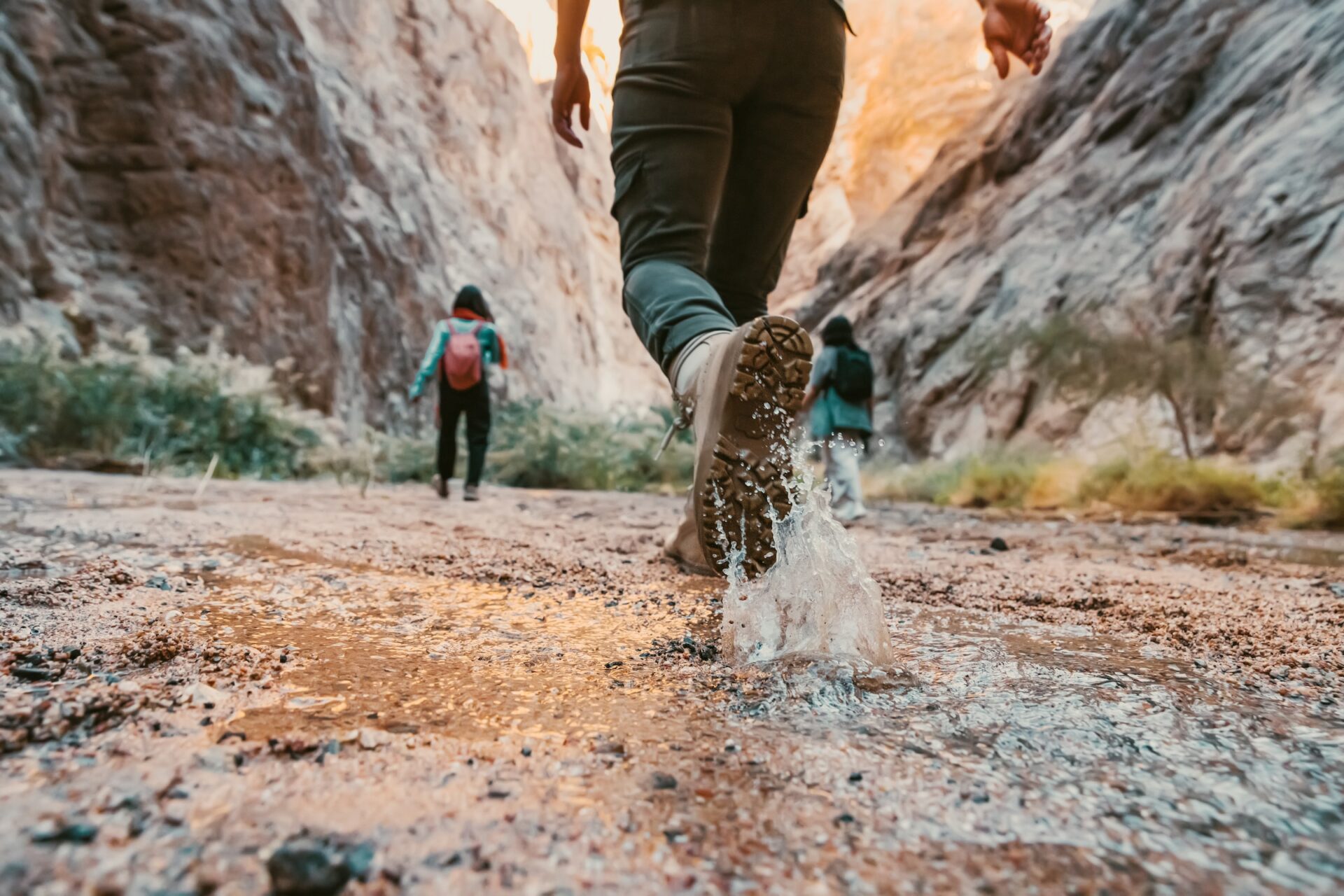
Italy ranks first for slow tourism in many markets!
An Enit survey carried out by Touring Club and Ipsos explores the world of hiking tourism to define its terminology, routes and objectives. This is a form of tourism that favours a slow pace and trails through natural landscapes.
For the first time, a study investigates and defines the concept of hiking travel, going on to map the routes of Italy's walking trails.
It includes entirely self-organised trips, those booked through specialist tour operators/travel agencies or local associations and agencies. Also included are trips offering a range of services dedicated to hikers (luggage transfer to destinations or transfers to the starting points of the route).
The trip is organised into stages that take tourists to change accommodation and overnight location, following either a linear or circular route.
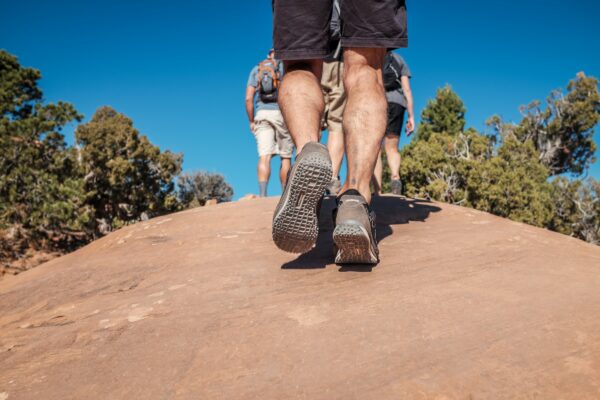
100 trails have been mapped, covering a total length of around 30,000 km: 79 have an official website, but 16 were excluded from the content analysis because they were not tourism-related (sites for European projects) or still under construction.
A total of 63 websites were analysed, of which 75% list the services available along the route (accommodation, dining, services for walkers) or partner services for those with the right credentials. 54% of the trails can be enjoyed both on foot and by bike.
The most widely used social media platform for promoting the trails is Facebook, followed by Instagram and YouTube; 49% of the websites are multilingual (English being the most common language).
34% of official websites allow users to purchase packages or guided excursions, while 25% of websites provide an alert service to report detours or trail closures.
The opinion survey was conducted between 15 August and 15 September 2023 on representative samples of the Italian population (1,000 cases) and French, English and German populations (500 cases per country) using the CAWI method.
“Hiking tourism is an essential pillar within the tourism landscape, and this survey plays a crucial role for the sector. Research like this allows us to better understand travellers' preferences and expectations, helping us design more satisfying travel experiences. It also helps us protect the natural environment, promote hiking destinations and support local economies” – said Massimiliano Vavassori, director of the Touring Club research centre.