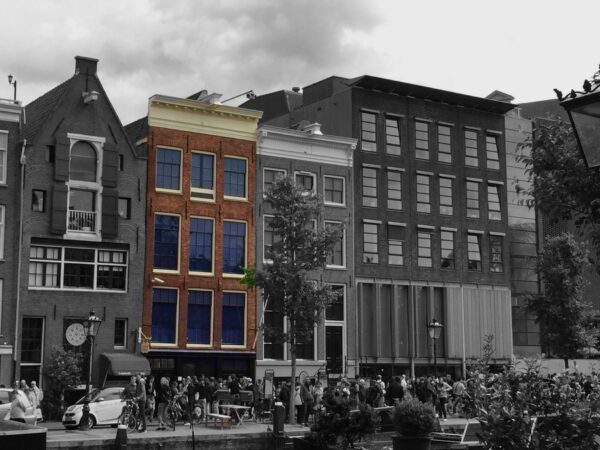
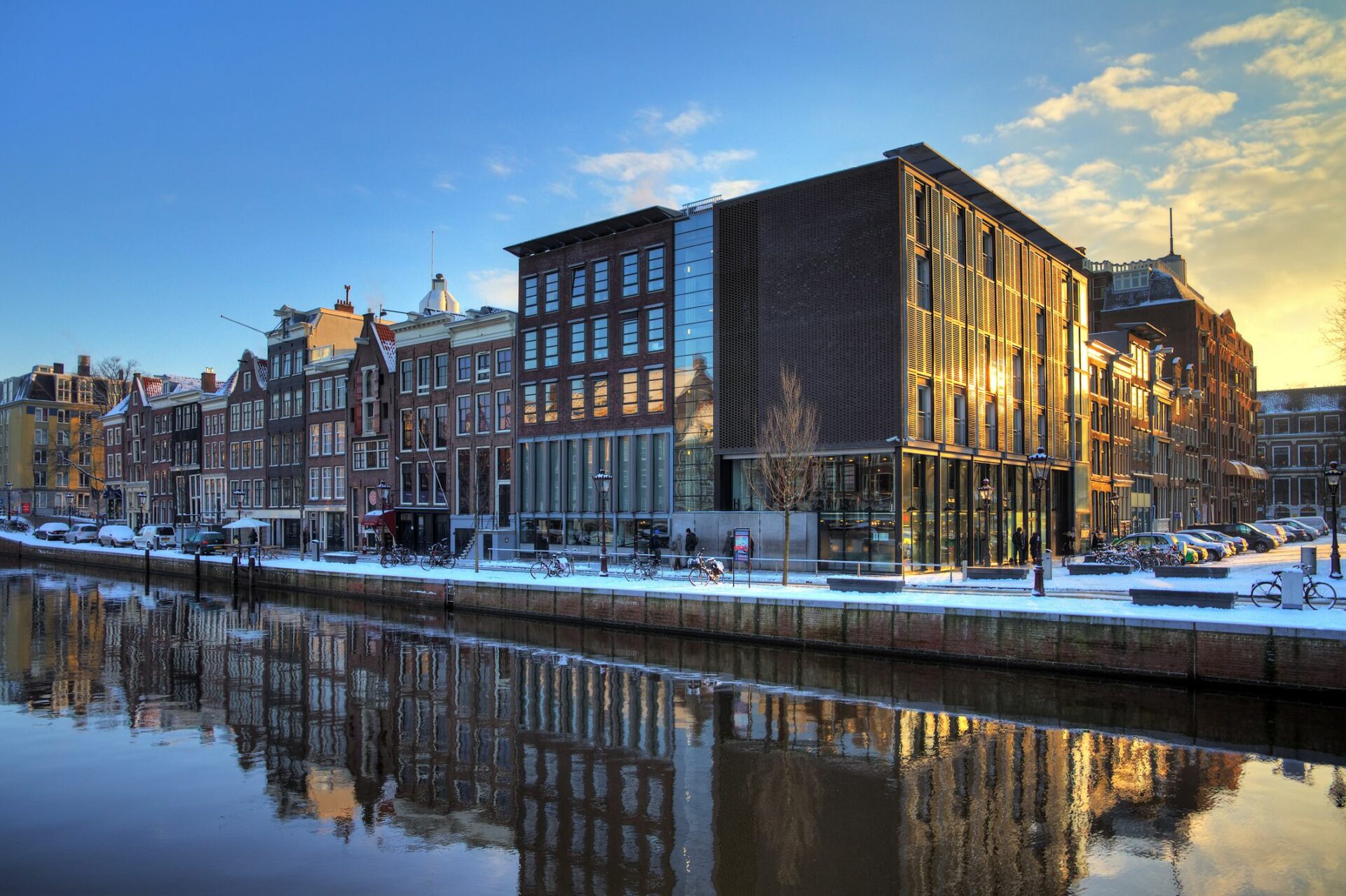
A building-turned-museum that tells the harrowing story of the Second World War and the deportation of the Jews: that's how the Anne Frank House can best be described, standing in the centre of Amsterdam, in the Jordaan district, at number 263-267 Prinsengracht, just a ten-minute walk from Dam Square.
This is a building of great historical significance, a fundamental place for understanding the horrors of the Second World War and the persecution of the Jews. Within its rooms, you can relive the drama of those times through the original objects linked to the famous diary of Anne Frank.
The building at 263-267 Prinsengracht housed Otto Frank's company, Anne's father, who, on the advice of one of his associates, created a secret hiding place there, its entrance concealed behind a revolving bookcase, where the family could take refuge.
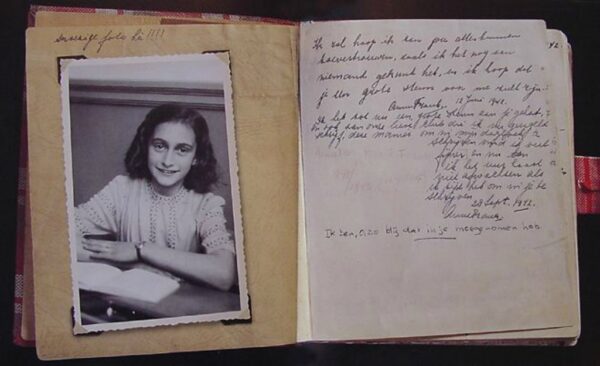
The Frank family went into hiding in the annexe in July 1942, helped by Otto's secretary, her husband and several of the company's employees. Shortly afterwards, the Van Pels family and the family's dentist friend, Fritz Pfeffer, also moved into the annexe. It was here that Anne Frank wrote her diary, a gift for her 13th birthday, filling several notebooks with her favourite quotes and stories of her own invention.
The families remained in the secret annexe for two years, until August 1944, when the Germans discovered the hideout following a tip-off. They were separated and each one sent to a different concentration camp. Of all the occupants of the secret annexe, only Otto Frank survived.
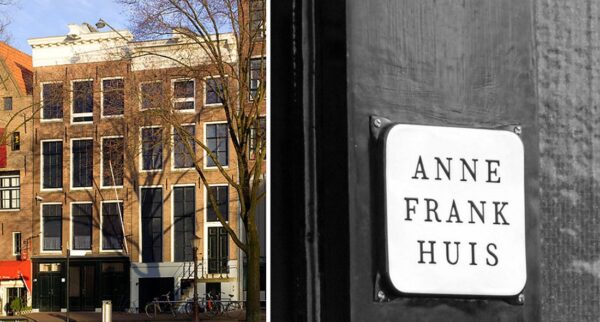
The house museum was opened in 1960 with the help of Otto Frank, Anne's father and the only member of the family to survive the extermination camps, who also published his daughter's diary to make it an immortal testimony to that period. Over the years, the house has been renovated and enriched with wartime accounts, and has been visited by millions of people.
Today, the house displays documents, photographs and film footage from the period, illustrating both the historical context and daily life in the annexe.
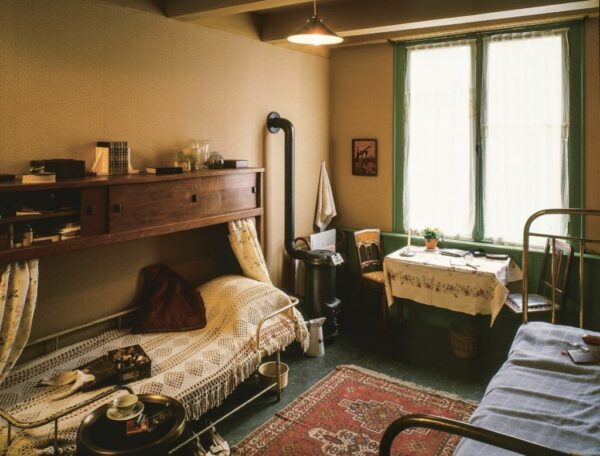
The most important part of the Anne Frank Museum is undoubtedly the secret annexe, where the various rooms that once housed the families remain, along with many of Anne's personal belongings. The rooms are now empty, but you can still see the photographs on the wall of Anne's room, pictures of her favourite actresses, and even her first diary, protected behind glass.
The museum also has a multimedia area that often hosts temporary exhibitions focusing on war, racism and human rights.
Visiting the house museum takes around an hour, but for a fuller understanding of Anne Frank's life, it's worth joining the introductory programme, during which a museum guide tells Anne Frank's story, placing it within the context of the Second World War and helping visitors better understand everything they'll see in the museum.
For those who'd rather skip the initial guided tour, or who prefer a guide in Italian, the museum also offers free audio guides explaining the wartime context, the secret hiding places, and all the objects on display.
To plan your visit, take a look at the Anne Frank House website.