Ski Pass Prices 2026-2027: How Much Skiing Costs and How to Save
Up to €89 for a single day on the slopes and a 43% rise in five years: skiing in Italy has never cost so much. Here are the 2026-2027 ski pass prices in the most popular resorts, why they keep climbing, and six practical ways to get back…
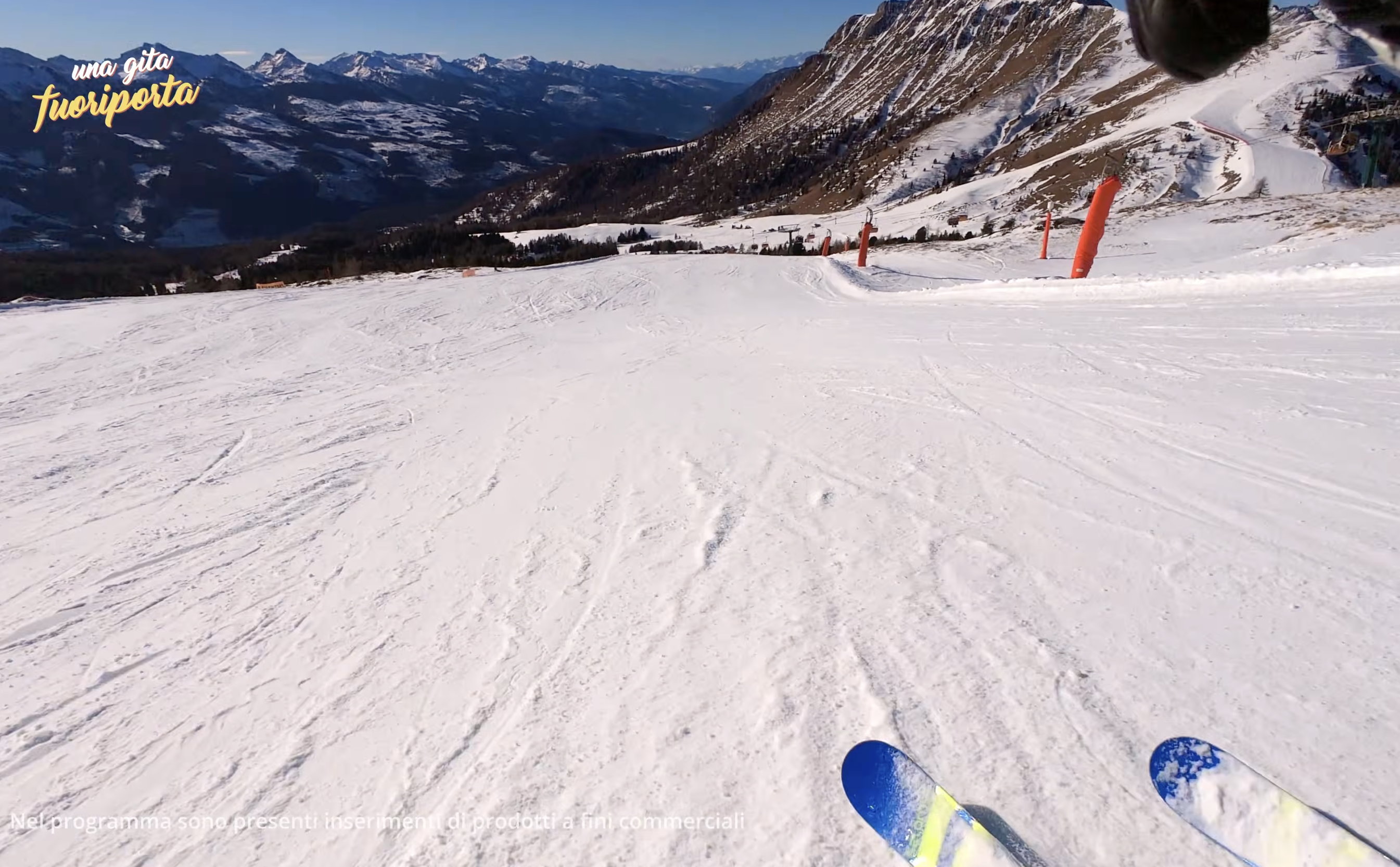
A groomed run, the sun and the mountains on the horizon: this is where every euro spent on a ski pass is worth it.
The 2026-2027 ski pass prices have become one of the most searched-for topics of recent weeks, ever since the first snow dusted the Alps and families started doing the maths for their ski week. The picture was drawn up by Assoutenti and picked up on 9 November by Sky TG24: the day pass has gone up everywhere, and in the most prestigious resorts it has broken through the psychological threshold of 85 euros. Before booking, then, it's worth knowing exactly how much you'll spend and where you can save. We've already gathered the opening dates of the ski lifts in our 2026-2027 ski resort opening calendar: here, let's talk money.
How much does a day ski pass cost in 2026-2027
The most expensive area remains the Dolomiti Superski, the huge circuit linking twelve zones across Trentino, Alto Adige and Veneto: for an adult, the day pass costs 80 euros in regular season and 89 euros in peak season, around 3.5-4% more than last winter. The full price list is on the official Dolomiti Superski website.
Here, in brief, is what a day on the slopes costs according to the price lists published in recent weeks:
Dolomiti Superski: €80-89
Madonna di Campiglio: from €75 to €87, up to €89 on peak days
Courmayeur: €75, with the steepest rise of the year (+8.7%)
Ski Civetta: €72
Livigno: from €66 to €74.50
Cervinia (Italian side): €64
Bardonecchia: €52 in peak season
Those who ski all winter long look instead at season passes: the Dolomiti Superski costs €990 if bought by 24 December, while the Aosta Valley's regional ski pass costs €1,590, rising to €1,876 with Zermatt included.
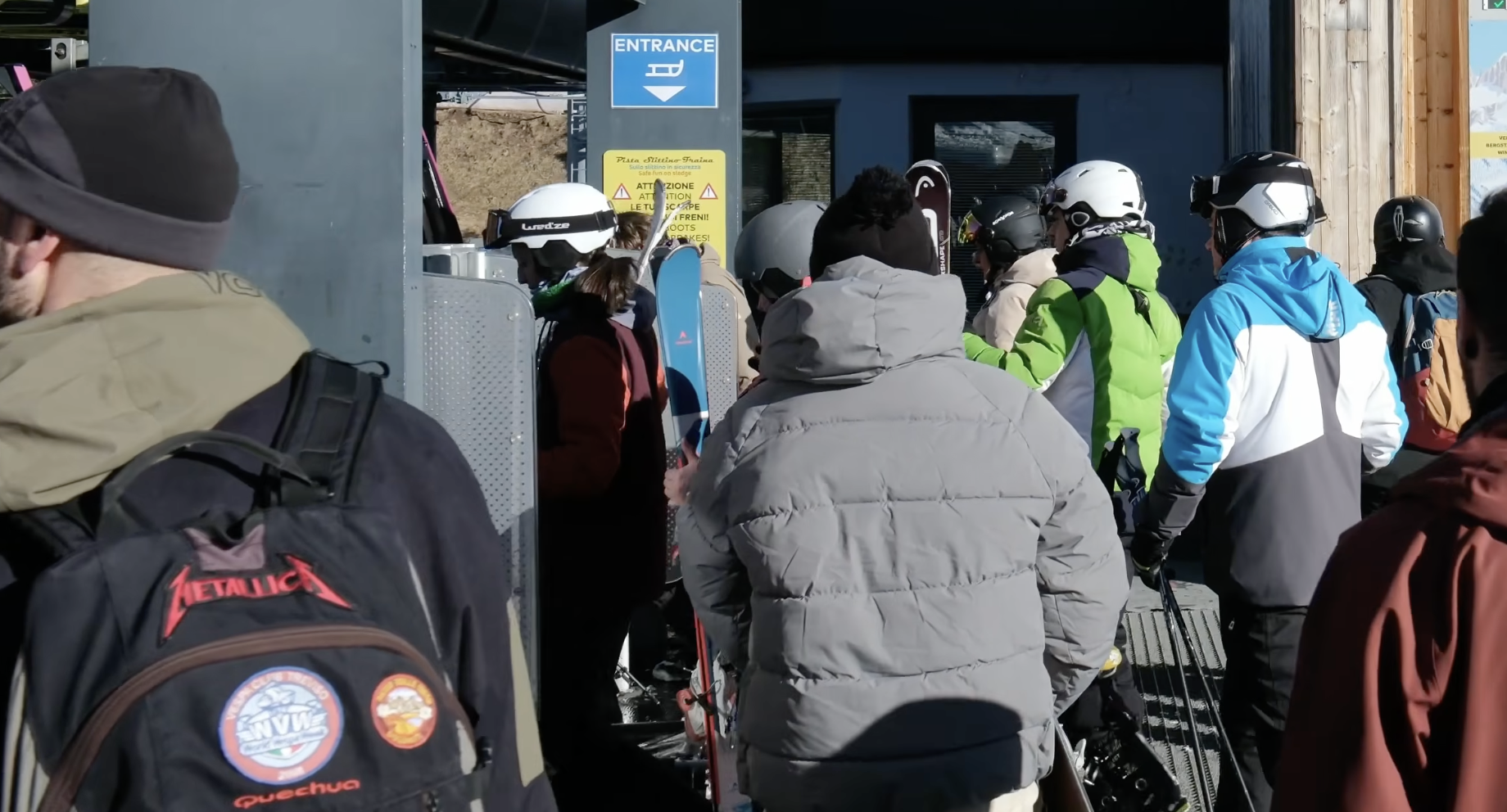
The queue at the entrance to the ski lifts, the moment you realise just how much choosing the right ski pass really matters
Why ski passes keep getting more expensive
Lift operators always cite the same reasons: electricity, fuel, artificial snowmaking, maintenance and investment in new cable cars. The result, however, weighs on families. Over five years, the day pass in peak season on the Dolomites has gone from €62 in 2019-2020 to €89 today, and according to Assoutenti, between January and March 2026 around two million Italians gave up on the snow compared with 2019. For a family, moreover, the ski pass is only part of the bill: according to Altroconsumo, accommodation accounts for between 65 and 75% of the total spend.
How to save on your ski pass: 6 practical tips
Buy online and in advance. Many resorts have adopted dynamic pricing: the earlier you fix your date, the less you pay. At Monterosa, for example, the online day pass ranges between €40 and €71 and always costs €5 less than at the ticket office, as stated on the Monterosa Ski website.
Ski on weekdays and in low season. Late November, the first half of December, January after Epiphany and spring all have lower rates and quieter slopes.
Consider half-day passes. The afternoon ski pass costs less and is perfect for day-trippers or families with young children.
Check age-related discounts. In the Aosta Valley, season passes are discounted by 30% for under-16s and by 20% for 16 to 24-year-olds and over-65s. Every resort has its own brackets, so it's worth asking in advance.
Choose smaller resorts. Lesser-known areas, often family-run, tend to have lower prices, shorter queues and a more relaxed atmosphere.
Think about the whole season. If you expect to ski more than ten to twelve days, an early-bird season pass pays for itself quickly.
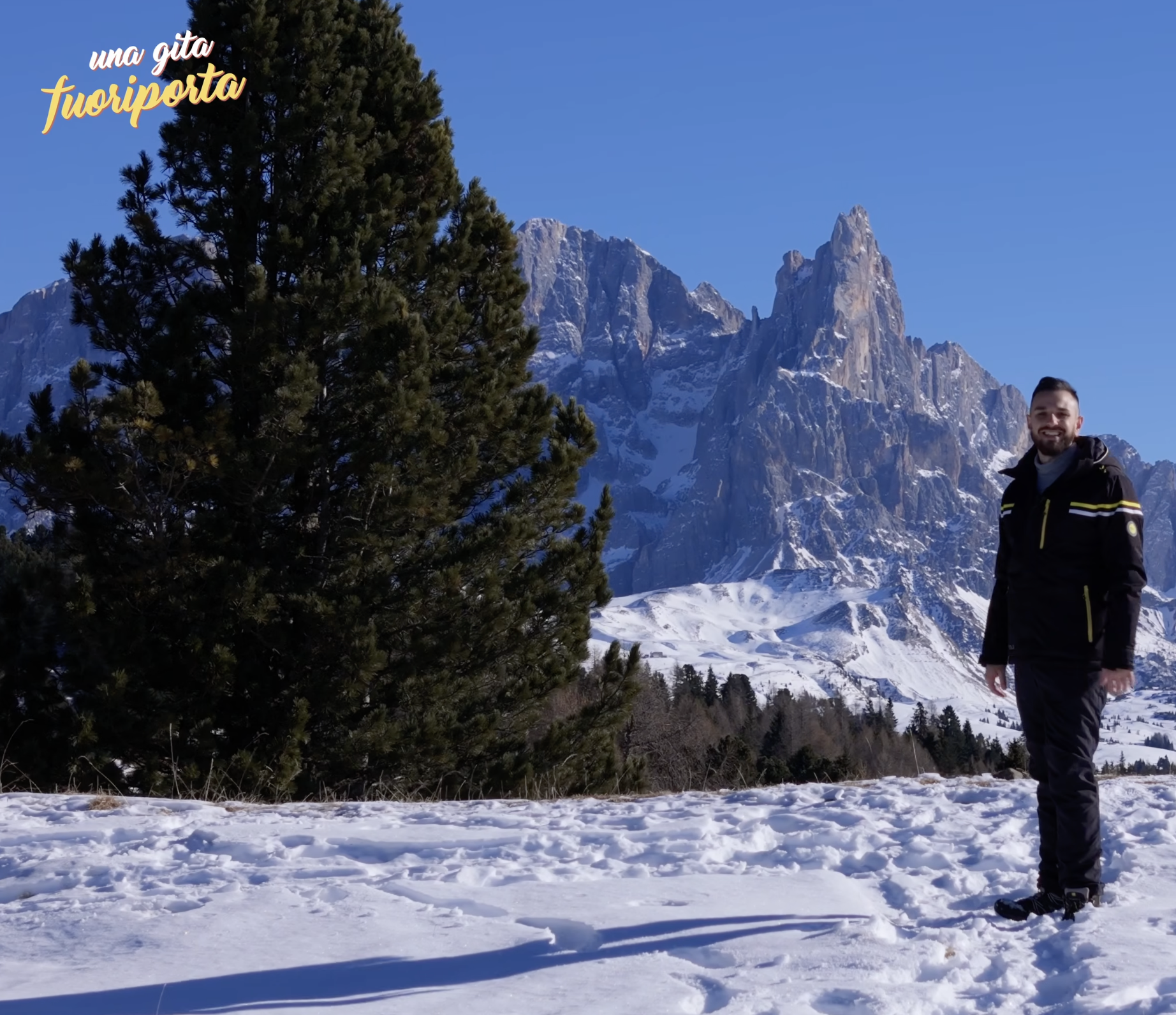
A still from a day trip with David Romano
Where to ski for less
The Alps aren't the only option. The Apennines, with resorts such as Campo Imperatore, Campo Felice, Ovindoli or Cimone, have much lower overall costs: in Altroconsumo's latest survey, a day including accommodation and ski pass cost around €64 at Campo Imperatore, compared with €221 at Madonna di Campiglio and €280 at Cortina. If you're thinking of a snow trip to central-southern Italy, take a look at our page on Abruzzo.
There are family-friendly resorts in Alto Adige too, such as Merano 2000, reachable in just a few minutes by cable car from the town and combining slopes, sledging and mountain huts: an excellent alternative to a week in the bigger ski circuits.
Our day trip: the snow up close
We've told the story of the lifts, the mountain huts and the people who work there up close in the seventh season of Una gita fuoriporta. At Monterosa Ski, starting from Champoluc, David Romano let the locals guide him through 52 runs and 29 lifts, from family areas to freeride terrain. At Madonna di Campiglio we discovered just how much work goes into a perfectly groomed run, while on the Belluno Dolomites we followed the Rotta dei Campioni at Ski Civetta.
Frequently asked questions about 2026-2027 ski pass prices
How much does a day ski pass cost in 2026-2027?
It depends on the resort: prices range from around €50 at the smaller stations up to €89 at Dolomiti Superski in peak season.
Which is the most expensive ski pass in Italy?
The Dolomiti Superski day pass in peak season, at €89 for an adult.
How much have ski passes gone up?
According to Assoutenti, over five years the day pass has risen by up to 43% in some resorts. Compared with last winter, increases average 3 to 5%, with peaks of nearly 9% at Courmayeur.
Is it worth buying a ski pass online?
Almost always yes: with dynamic pricing, those who buy early pay less, and in many resorts buying online still costs a few euros less than at the ticket office.
Where can you ski for less in Italy?
Generally in the Apennines and in the smaller resorts of the Alps, where ski passes and accommodation cost much less than in the more famous destinations.