
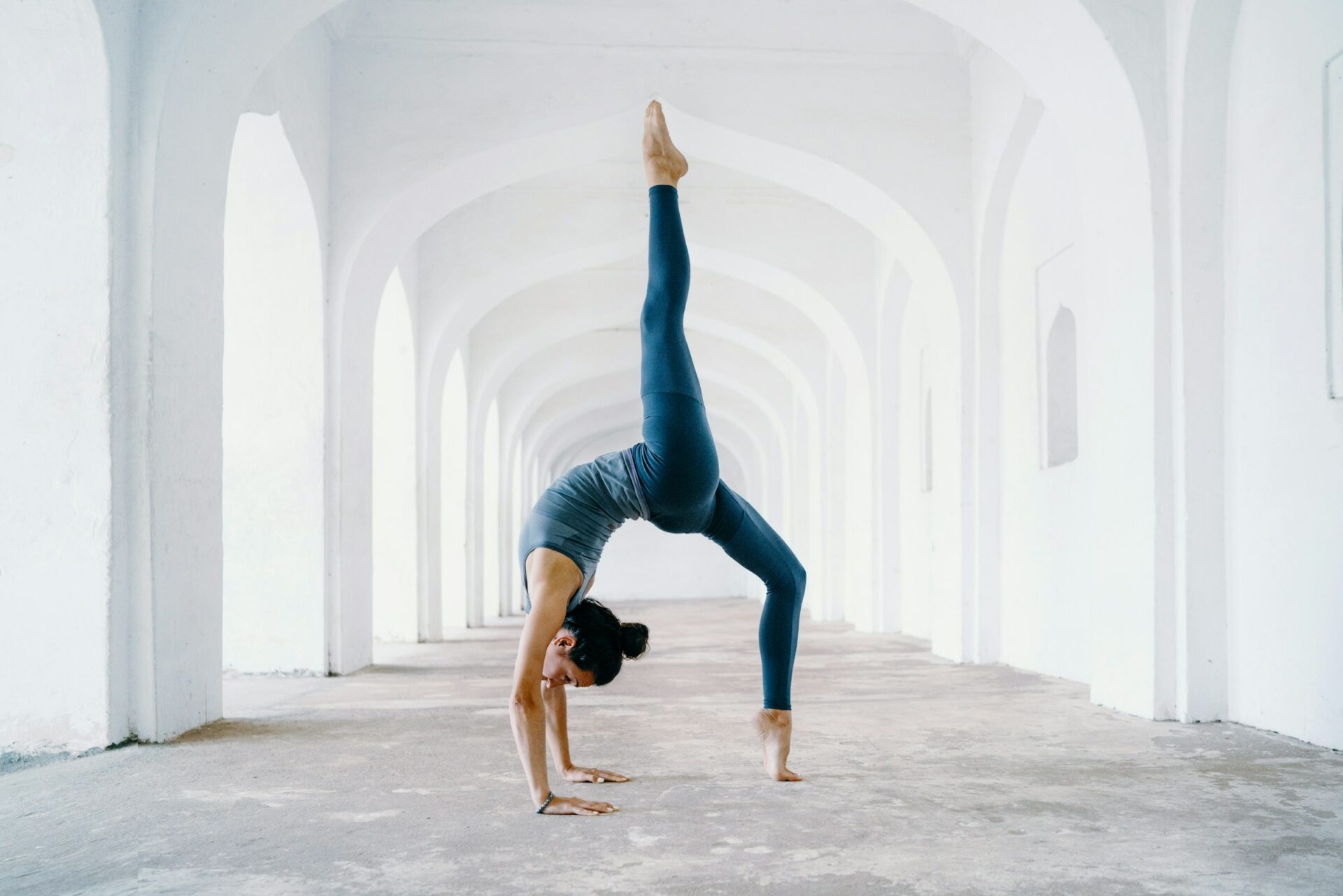
The 21st of June is International Yoga Day. A worldwide observance officially established by the UN in 2014, it falls on the summer solstice, which is in fact the longest day of the year.
International Yoga Day was established at the urging of the Indian government, and in particular its Prime Minister, Narendra Modi. In a speech to the 69th session of the United Nations General Assembly, Modi had called for its official recognition. Three months later, on 11 December 2014, his request was granted and Yoga Day was established. Since then, more than 170 countries around the world have endorsed the resolution, including the USA, Canada and China.
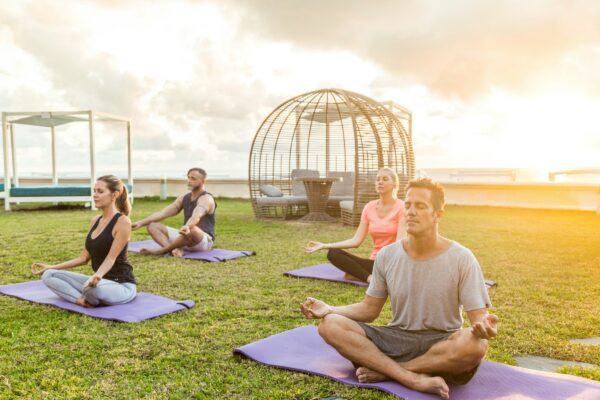
Yoga as a discipline for life, whose psychological and spiritual benefits make it far more than a mere physical activity. A regular, consistent practice helps reduce anxiety and stress, improves flexibility and physical strength, and builds greater self-control over one's actions.
Yoga makes the body stronger and more flexible while calming the mind. Practised at different levels, yoga is accessible to people of all ages. This makes it a discipline that cuts across boundaries and suits everyone, helping to counter physical inactivity, which is among the leading causes of death worldwide. This is another reason why the United Nations wanted to dedicate an international day to yoga.
Because of the influence this ancient practice has had on India's history and the evolution of its society, in 2016 UNESCO decided to add it to the list of Intangible Cultural Heritage of Humanity.
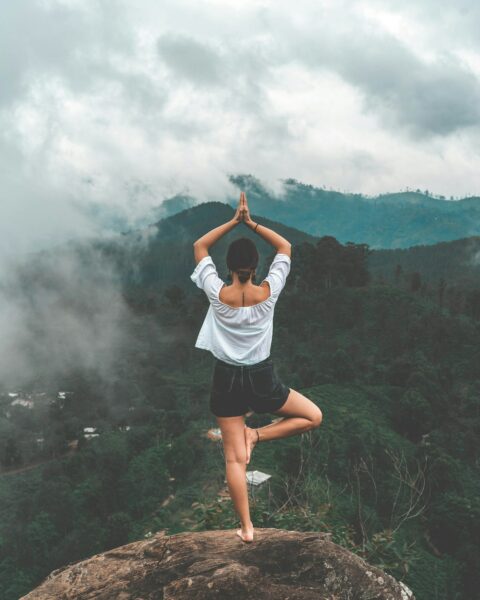
The choice to dedicate the longest day of the year to the practice of yoga is no coincidence: according to Indian mythology, it was on 21 June that Shiva (who is not regarded as a god, but as an Adi Yogi, the first Yogi, and Adi Guru, the first Guru) is said to have begun passing on the discipline of yoga to his devoted students and disciples. This day is therefore considered sacred, as it marks the birth of the Science of Yoga.
According to the Vedas – the ancient Indian scriptures – worshipping the sun and light, symbols of immortality, brings prosperity and health to body and mind. Doing so on the day of the summer solstice, the day with the most hours of daylight in the year and the Festival of the Sun and Light, makes it all the more meaningful.
Delving even deeper into the reasons behind the choice of this particular day, it can also be said that Dakshinayana, or the Solstice, is the gateway into the second half of the year, a particularly favourable moment for setting intentions, planting the seeds of change and purifying the body.