
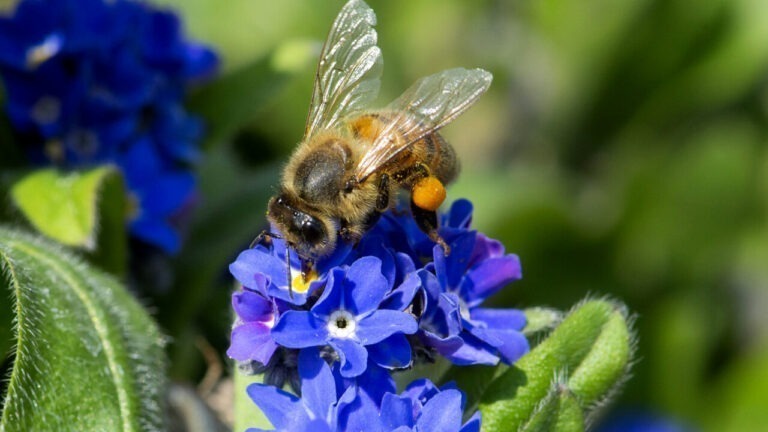
For over 30 million years, bees have performed an essential ecosystem service, helping flowers expand their range and reproduce.
As well as being vital to the survival of many plant species, these incredible insects are essential to the survival of our own, making a decisive contribution to global food security.
Bees, now considered super-organisms, could even help us understand more about our own brains. There are therefore many reasons to protect these small, hard-working creatures.
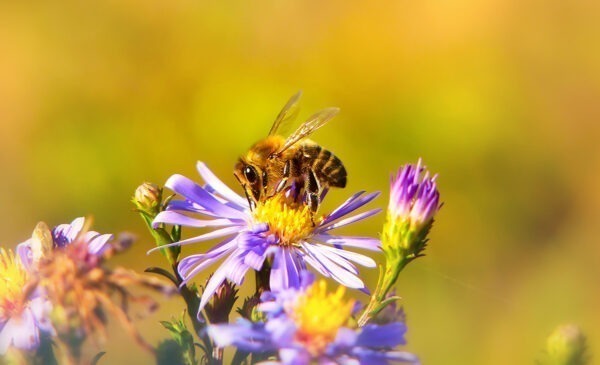
To raise public awareness of the importance of bees and call for concrete action to protect them, World Bee Day is celebrated every 20 May, established by the United Nations on 20 December 2017 and marked for the first time in 2018.
The day is celebrated in over 115 countries, thanks largely to Slovenia, and in particular the Slovenian Beekeepers' Association, which lobbied the UN for official recognition of the day.
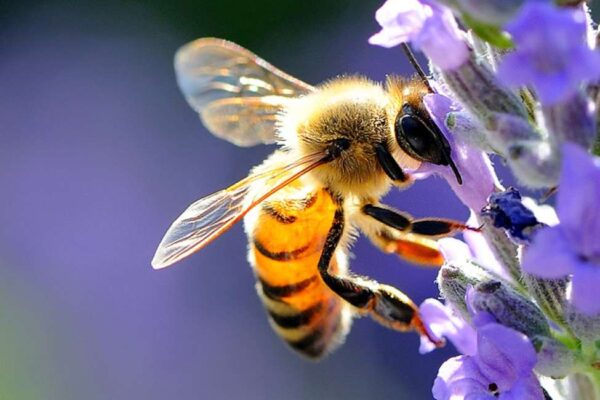
The Slovenian government is at the forefront of the fight to protect bees; it's no coincidence that it was the first country to ban the use of pesticides nationwide, back in 2011.
Beekeeping is deeply rooted in Slovenian culture, with an estimated 200 beekeepers for every 10,000 Slovenians. Tradition dictates that each beekeeper decorates their own wooden hive with motifs typical of Slovenian folklore.
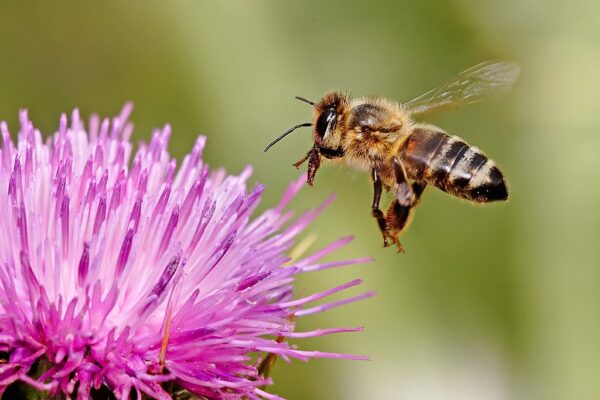
The choice of date for World Bee Day is no accident. While May is the key month for pollination in the northern hemisphere, in the southern hemisphere it corresponds to honey production and the processing of its by-products.
What's more, one of the early pioneers of modern beekeeping, the Slovenian Anton Janša (1734–1773), was born on 20 May.
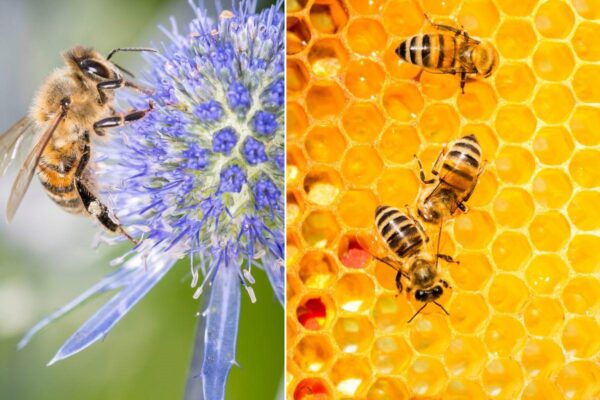
Is it true that bees are in danger? In just thirty years – from 1980 to 2010 – the world's population of bees and wasps fell by 36 per cent.
Bees are mainly threatened by chemicals used in agriculture, such as pesticides and insecticides. Other dangers include a weakened immune system, climate change, habitat loss and the rise of monocultures, which lead to a shortage of nectar-producing resources.