
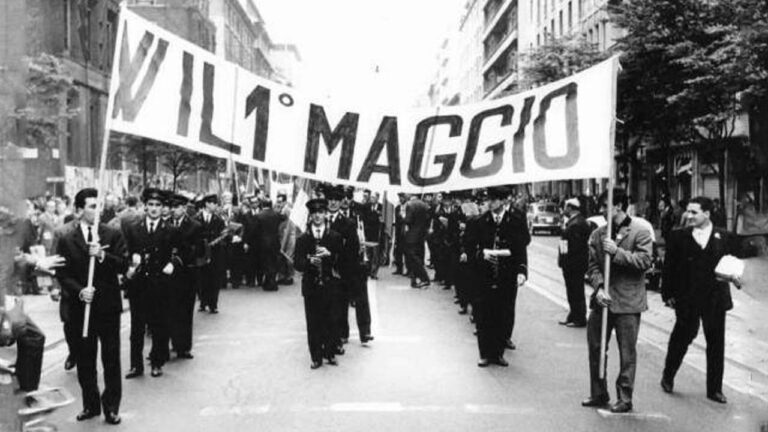
1 May is Workers' Day. But do you know why, in Italy, it's a national holiday? It's because it's the day that celebrates the struggles that, over the centuries, workers have fought to have their rights recognised.
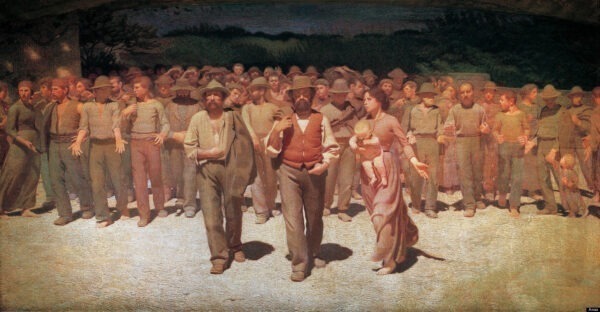
The celebration actually has a long history. The idea was born in France on 20 July 1889, when several parties proclaimed a great demonstration to reduce the working day to eight hours. Even earlier, in 1855 in Australia, the motto “eight hours of work, eight of recreation, eight to sleep” had been coined, a slogan shared by workers' movements across the world, which sparked trade union demands and the search for a day on which everyone could come together to assert their rights.
But why that particular date? It was a symbolic choice, to commemorate 1 May 1886, when a general strike was called across the United States to reduce the working day. The protest lasted three days and culminated, on 4 May, in the Haymarket Square massacre in Chicago, when an unknown person threw a bomb at a group of policemen, killing seven of them along with four civilians.
That demonstration became the symbol of the demands of workers across the continent who, in those years, were fighting for better rights and working conditions. In Paris, on 1 May 1890, the first international demonstration took place, drawing an extremely high turnout. From that moment on, the date became a national holiday in many countries, except in the United States, where Labor Day falls on the first Monday of September.
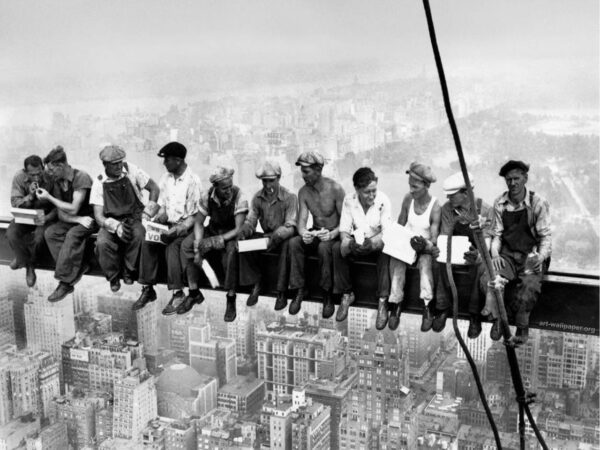
In many European countries the holiday was adopted in 1889, in Italy two years later. In our country, too, this holiday has had a rocky road. During the fascist era, for example, between 1924 and 1944 Workers' Day was moved forward to 21 April and renamed the Birthday of Rome. In 1947 it went back to being celebrated on 1 May, and that very year, at Portella della Ginestra in Sicily, 11 people were killed during the demonstration in a shooting organised by the gang of the mafioso Salvatore Giuliano.
A curious fact: since 1990, Rome has celebrated the day with a “concertone” (big concert), a musical marathon featuring major singers. The May Day concert in Rome is an occasion for many young people (and not-so-young ones too!) to come together, listen to good music and share the values of workers past and present, as a reminder that we must always fight for our rights, and also for those of people with less of a voice.
May Day, then, should be commemorated so as never to forget all those people who fought to secure humane working and living conditions for everyone and to defend their right to work.