The Festa della Repubblica Italiana (Italian Republic Day), celebrated on 2 June, is one of the most important events of the year for Italy. But do you know where it comes from and why it's celebrated?
It all began with the political situation in our country following the end of the Second World War, when Italy was still a constitutional monarchy governed by the Statuto Albertino, emerging from twenty years of Fascism and years of German occupation.
2 June marks the day on which the historic referendum was held, in which Italians were called upon to choose their country's form of government, between monarchy and Republic. Voters chose the Republic with 12,718,641 votes, and from that day the House of Savoy was exiled from the country; that same day also saw the election of the members of the Constituent Assembly tasked with drafting the Constitution.
But why did Italians choose the Republic? Because after Mussolini's arrest, the armistice and the handover of government to Marshal Badoglio, Vittorio Emanuele III had fled south, leaving the country in a state of complete chaos. As a result, the monarchy and the King were held responsible for the country's troubles, particularly for failing to oppose Fascism and for endorsing Italy's entry into the war.
The Republic's victory was only officially proclaimed on 18 June by the Court of Cassation, but the celebrations for the country's new political order were set for 2 June.
The official ceremony for Republic Day involves the President of the Republic laying a laurel wreath in homage to the Unknown Soldier, at the Altare della Patria.
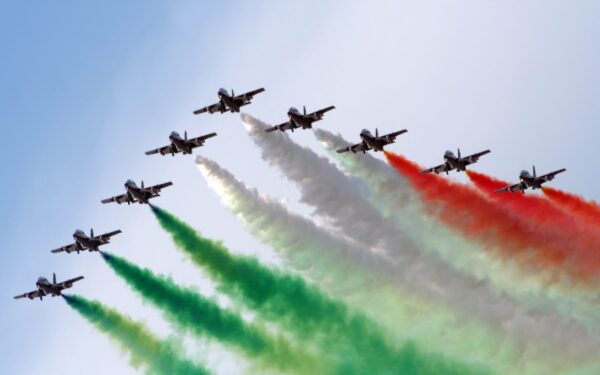
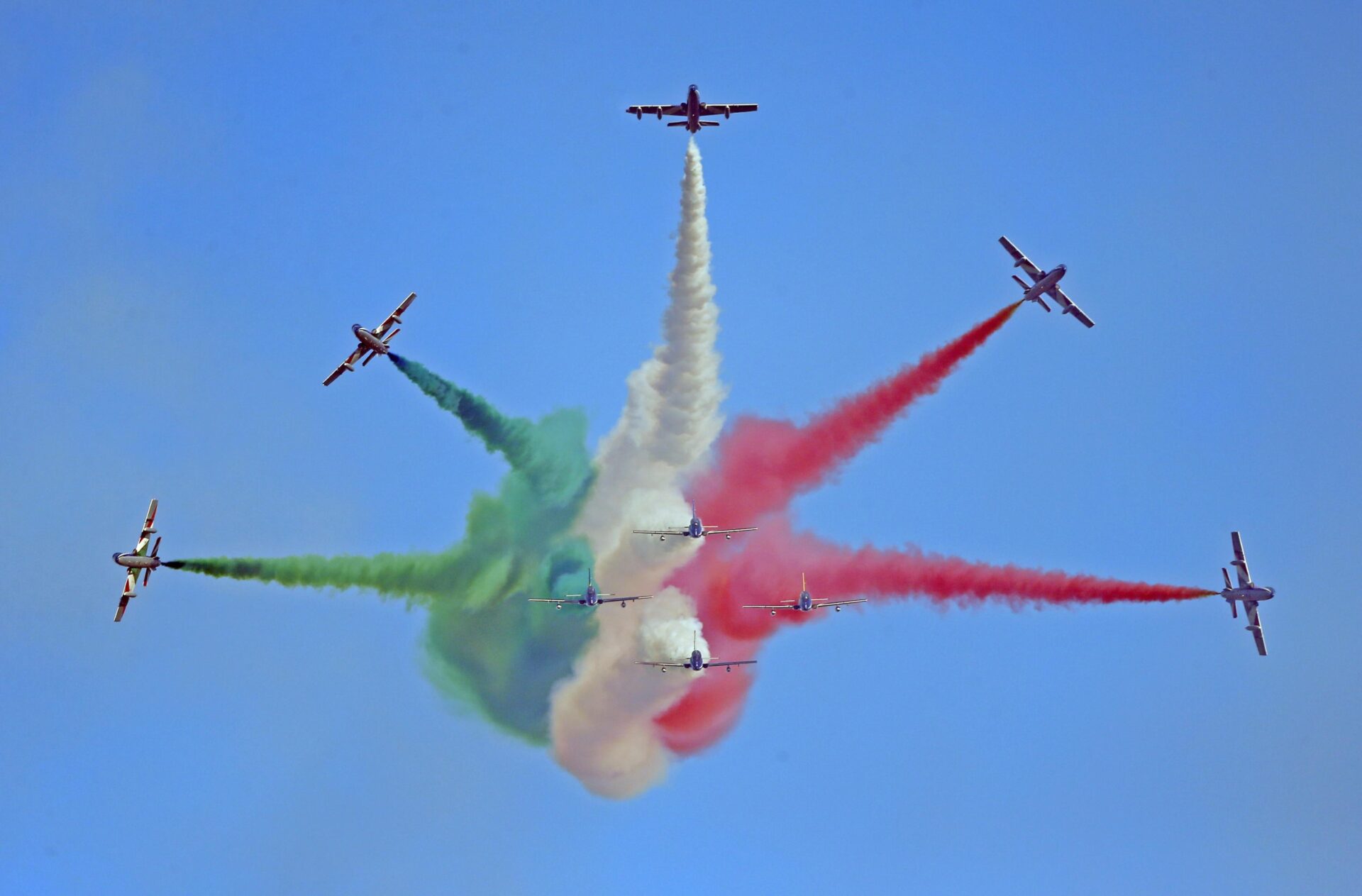
Along the Fori Imperiali, also in Rome, a parade of the armed forces then takes place. 2 June is one of the days when you're most likely to hear the national anthem, known as the Inno di Mameli, though its actual title is "Canto degli Italiani" (Song of the Italians).