
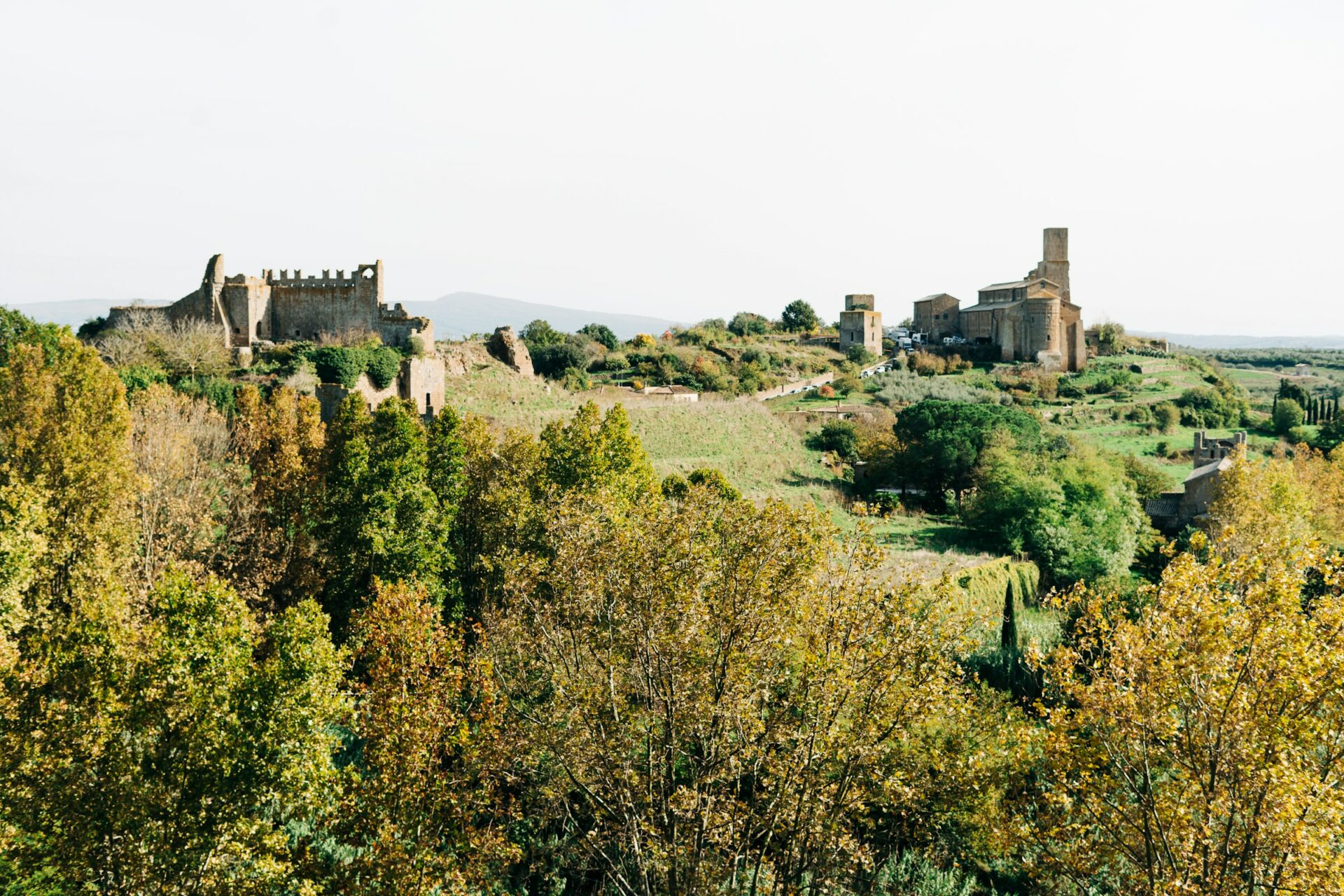
If you find yourself passing through the province of Viterbo, you simply must stop in Tuscania, one of the Seven Wonders of the Tuscia!
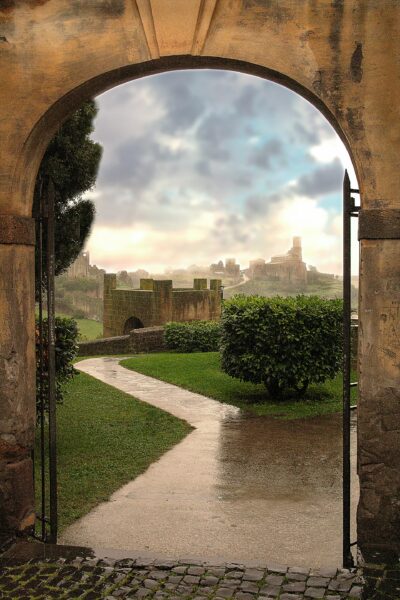
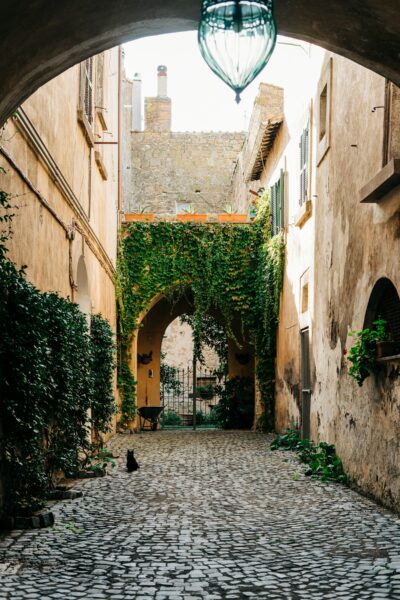
Tuscania also boasts a remarkable medieval and Renaissance old town, characterised by stately plastered palazzi and older tufa-stone houses that amaze with their simplicity and beauty, as well as parks and genuinely breathtaking viewpoints over the surrounding valleys.
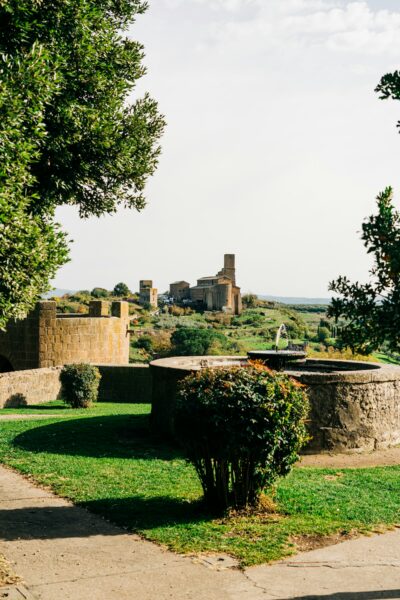
Tuscania rises at the edge of the Maremma Viterbese, about 20 km from Viterbo, in one of the most fertile areas of the Tuscia thanks to the numerous waterways that have been exploited since the Bronze Age.
Tuscania's glorious Etruscan past is still visible today in the numerous necropolises surrounding the ancient acropolis, where the Early Christian basilica of S. Pietro stands, one of the most important in the entire province of Viterbo and central Italy.
The many Etruscan sarcophagi in terracotta or stone uncovered during archaeological digs, belonging to the most powerful Etruscan families, can be seen everywhere, not just inside the beautiful National Museum. You'll find them inside churches too, and you'll see that they have even been used as street furniture in lanes and squares! For this reason Tuscania has been nicknamed “the city of sarcophagi”.
The Etruscans made Tuscania prosperous and powerful, exploiting its favourable geographical position along the Via Clodia, an important road network that linked coastal towns to those inland, a well-preserved stretch of which can still be seen within the walls.
If you have a free hour, you could spend it in the many shops selling local produce along Via Roma, browsing the artisan workshops, or you could immerse yourself in Etruscan culture by visiting the Tuscania Archaeological Museum: housed in the former Convent of S. Maria del Riposo, the museum holds Etruscan relics of rare beauty and importance, recently arranged across the two floors of the complex.
The selection of finds is carefully curated, ensuring a visit that is both easy to follow and informative, for adults and children alike. Entry is free for everyone, and visitors can also enjoy the peace of the frescoed cloister within the former convent.