
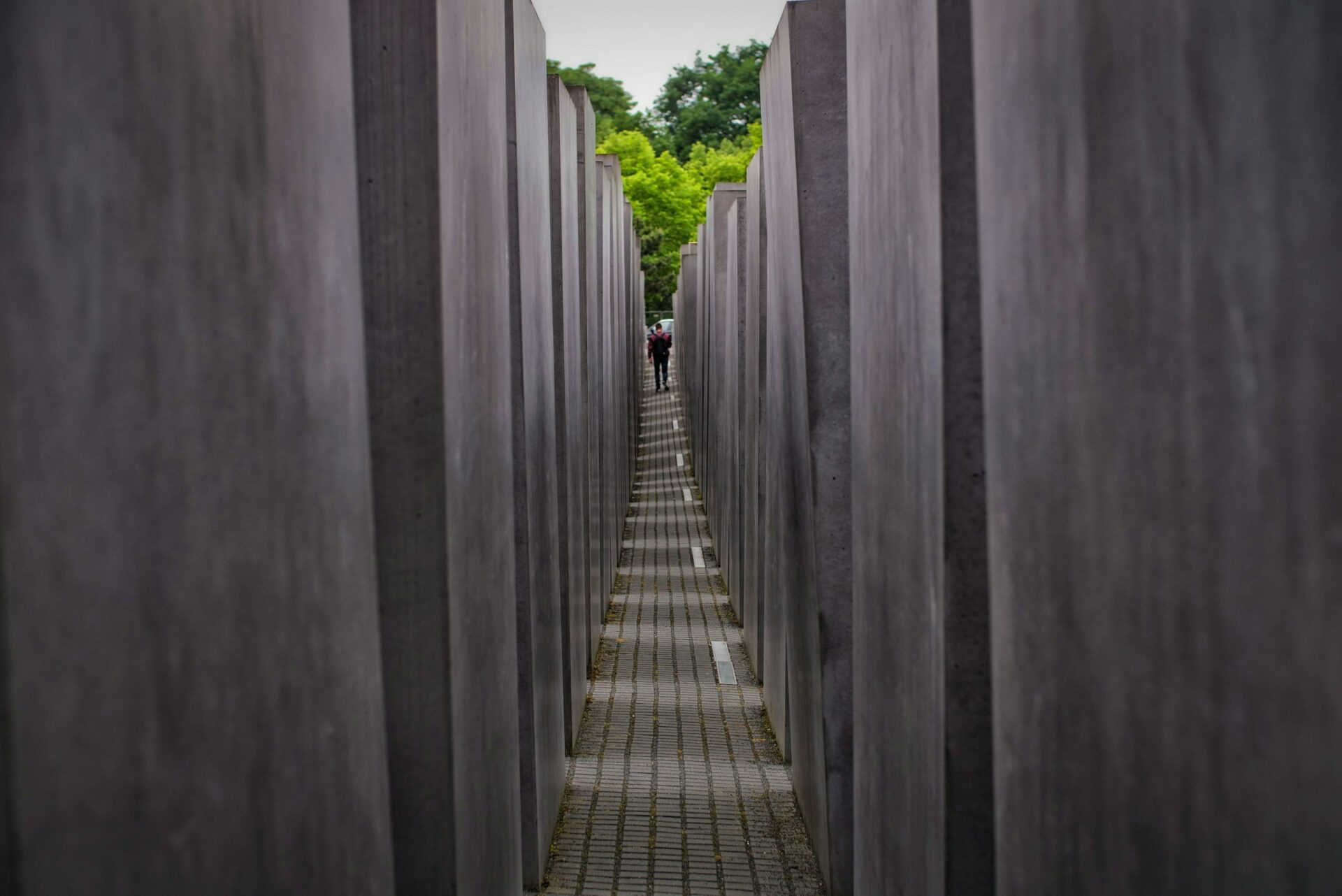
Holocaust Memorial Day is marked every year on 27 January.
The day – established in Italy in 2000 and worldwide in 2005 – should not be seen merely as a tribute to the victims of Nazism, but as an occasion for reflection on events that concern us all closely.
Over time, 27 January has also come to take on a symbolic meaning: that of the end of the persecution of the Jewish people.

Remembering and commemorating the victims of the Shoah does not in any way mean overlooking other genocides, nor does it mean establishing pointless “priorities” between the massacres and suffering of one people over another.
In 2001, the theorist and essayist Tzvetan Todorov wrote in his book Memory of Good, Temptation of Evil that “the singularity of the event does not prevent the universality of the lesson drawn from it”.
In other words, the historical memory of the Shoah does not concern the Jewish people alone, but the whole of humanity, since valuable lessons can be drawn from these events.
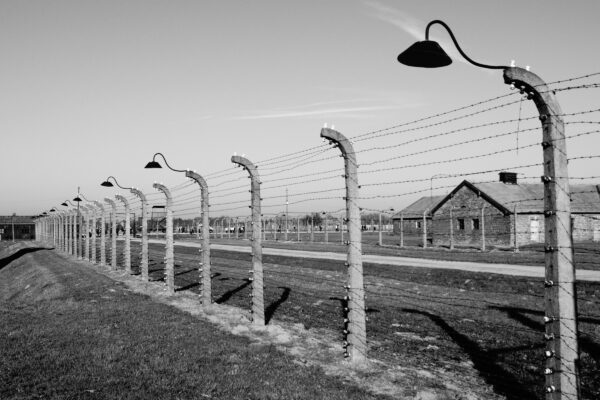
For the memory of the Shoah to be truly useful, however, remembrance must not be limited solely to indignation and moral condemnation of the Nazi crimes – feelings that are certainly just and natural in the face of such grave and inhuman events.