Every 25 April in Italy, Liberation Day (Festa della Liberazione) is celebrated, a hugely significant anniversary because it commemorates the liberation of Italy from Nazi-Fascism, marking the end of the Nazi occupation and the fall of Fascism.
It is a national holiday, a symbol of the Resistance and of the partisan struggle waged from 8 September 1943, the day Italians learned of the signing of the armistice at Cassibile.
The war did not end on 25 April 1945. This date is in fact symbolic, chosen because it marks the start of the retreat of German forces and soldiers of the Italian Social Republic (Repubblica di Salò) from Milan and Turin, following the Allies' breakthrough of the Gothic Line and the action of the Resistance.
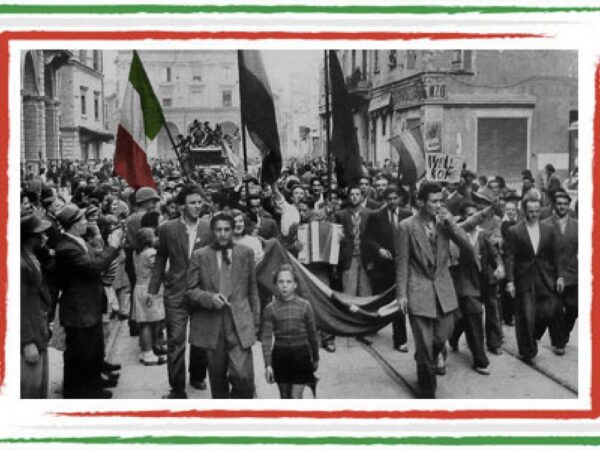
25 April 1945 is therefore still described today by President of the Republic Sergio Mattarella as a fateful day, because it “marked the end of Nazi-Fascism and the reconquest of freedom in Italy. The Resistance against Nazi-Fascism helped to restore the image and recover the prestige of our country. It was in the name of this Italy that Alcide De Gasperi was able to present himself with his head held high at the Paris Peace Conference. This redemption, this blood shed, this rediscovered national honour is what we celebrate today“.
Indeed, on the proposal of Prime Minister De Gasperi, on 22 April 1946 King Umberto II issued a decree: “To celebrate the total liberation of Italian territory, 25 April 1946 is declared a national holiday“. The occasion continued to be marked in the following years, but it was only in 1949 that it was officially established as a national holiday, alongside 2 June, Republic Day.
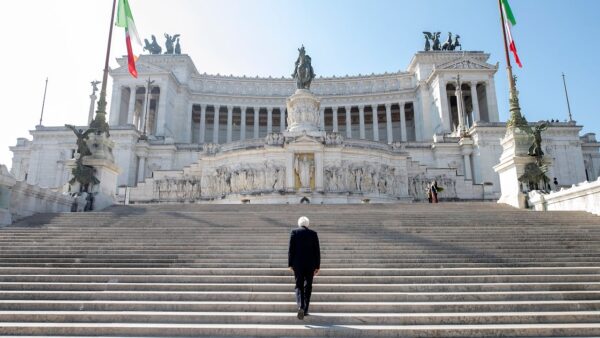
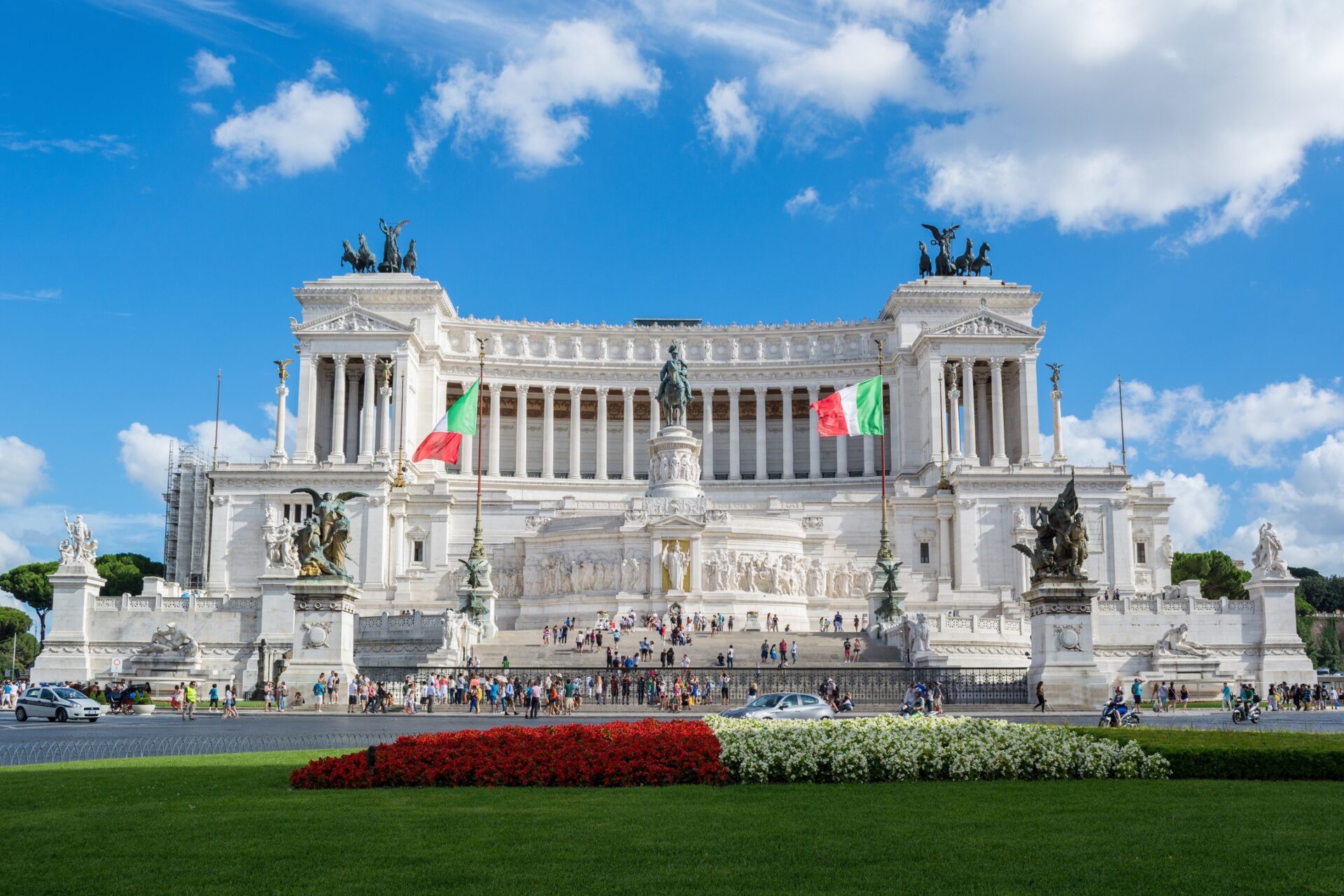
Since then, every year in towns and cities across Italy, from North to South, public events are held on 25 April in memory of the Liberation. Among these is the solemn tribute paid by the President of the Italian Republic and senior state officials to the Unknown Soldier at the Altare della Patria in Rome, where a laurel wreath is laid in remembrance of Italy's fallen and missing soldiers from the wars.