
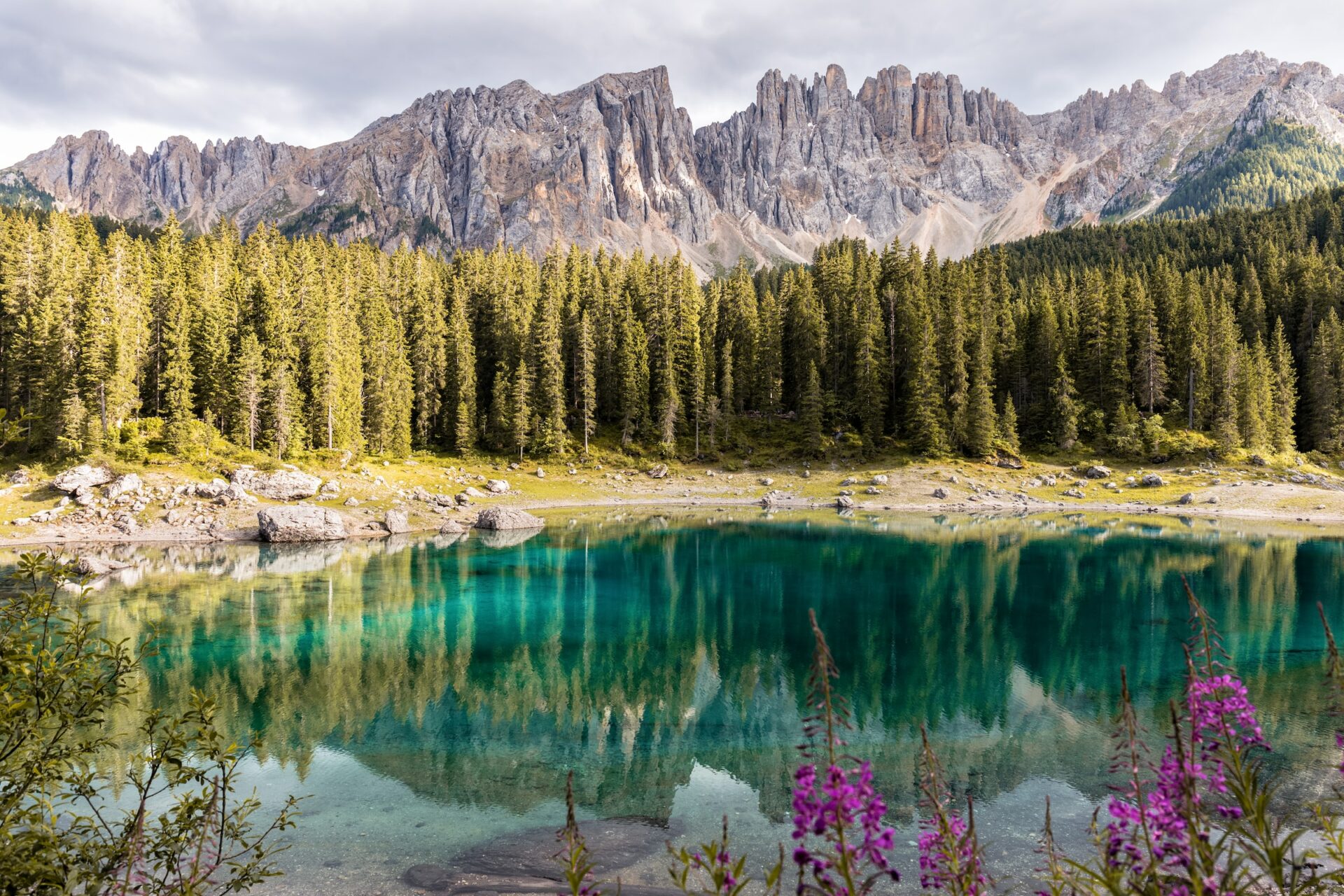
Everyone wants to be happy and healthy, but few know the Norwegian way of life called “Friluftsliv“!
It's no coincidence that Scandinavian countries rank among the happiest in the world: the secret lies precisely in small daily habits. Norway is one of these countries, having embraced a lifestyle known as Friluftsliv.
The term was coined in 1850 by Norwegian playwright and poet Henrik Ibsen, originally used to describe the spiritual and physical benefits of spending time in remote places. In a broader sense, for Norwegians Friluftsliv represents nature's power to melt away our stress and make us feel better. In other words: the more time we spend outdoors, the better our mood and our health will be!
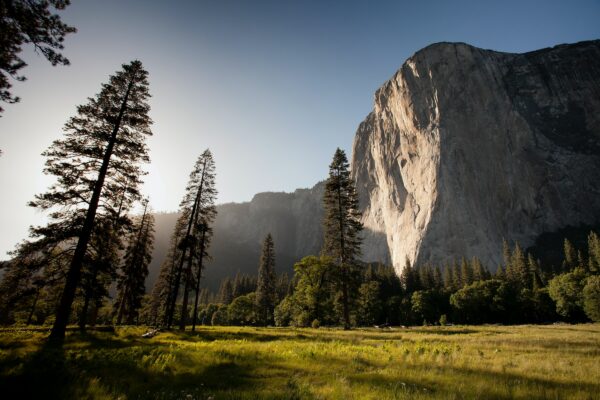
Spending time outdoors immersed in nature is a habit shared by 77% of Norwegians: it's about finding time to immerse yourself in nature, to restore physical and mental wellbeing.
What is the real secret to being happy and healthy? According to the Friluftsliv philosophy, all it takes is spending a few hours a day outdoors, with no need to exercise or play sport.
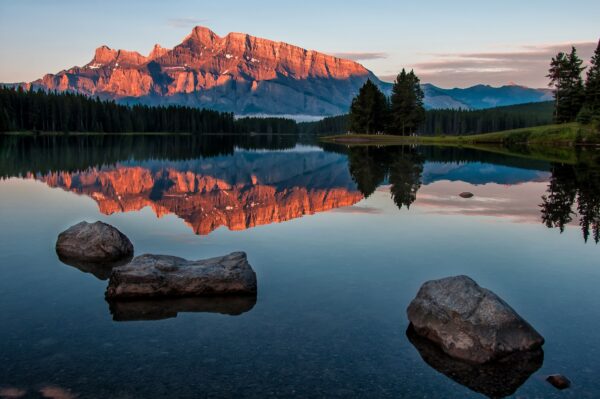
From nursery age, most Norwegian children are used to sleeping outdoors in their prams, immersed in nature so they can reap all its benefits.
Researchers themselves agree that nature has an immense power over human beings, not only because it lets us breathe clean air, but because it helps us relax and ease our nerves, helping us forget the stress of daily routine. What's more: open spaces and green areas stimulate creativity and our cognitive abilities, reduce anxiety and improve our health.
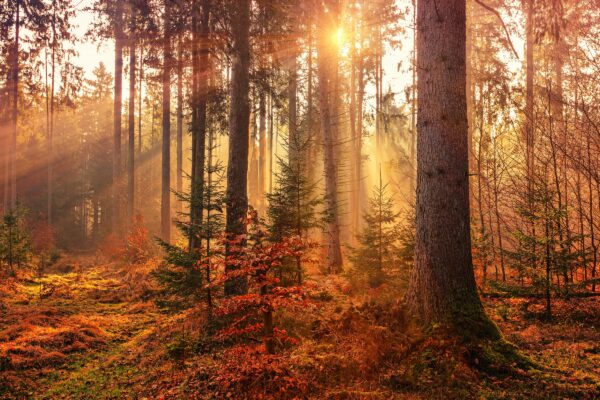
And what can city dwellers do? Thanks to the 3-30-300 rule, it's possible to find the right balance between work and personal wellbeing.
This rule was devised by Dutch professor Cecil Konijnendijk, who calculated every human being's need for urban greenery, arriving at a rule stating that we can improve our physical and mental health “if we can see at least 3 trees from our home, if we live in a neighbourhood with at least 30% tree canopy cover, and if we have a green space within 300 metres of our home“.