
Emotion, as the outcome of experience, is the key to reality, to understanding, to communication, culture and relationships. Intensely emotional experiences can lead to what's known as an emotional hangover, or an excess of emotion.
It's a phenomenon similar to the after-effects of a drinking binge, leaving us feeling drained and foggy-headed, and it's generally caused by difficulty in managing strong emotions arising from a stressful event, such as a heated argument, a funeral or the birth of a child.

An emotional hangover has a negative effect on both physical and mental wellbeing, altering not only the way we live through an experience but also the emotional memory it leaves behind, and causing symptoms such as tingling sensations, a racing heart, deep tiredness and exhaustion.
Knowing how to manage emotions effectively helps prevent this phenomenon and restore inner balance. To do so, it's important to learn to stay calm even in the most extreme situations, to let one's emotions flow freely, to focus on positive thoughts and to reconnect with one's “inner self”.

Difficulty in managing emotions creates an inner imbalance so severe that it can reach unsustainable peaks for both body and mind, triggering the self-defence mechanisms that the body relies on when faced with an external threat.
Certain areas of the brain, such as the prefrontal cortex and the amygdala, stimulate the production of adrenaline and cortisol, the two hormones primarily involved in a swift and effective stress response. It therefore helps to stay calm and control one's breathing, thereby reducing the activation of the sympathetic nervous system and the body's self-defence mechanisms.

Another way to prevent this “emotional hangover” is to focus on positive thoughts, especially when the emotional overload stems from negative experiences. Letting one's emotions and feelings flow freely, rather than bottling them up, greatly reduces the risk of an emotional hangover, as does setting aside time to relax, pamper oneself and practise self-care.
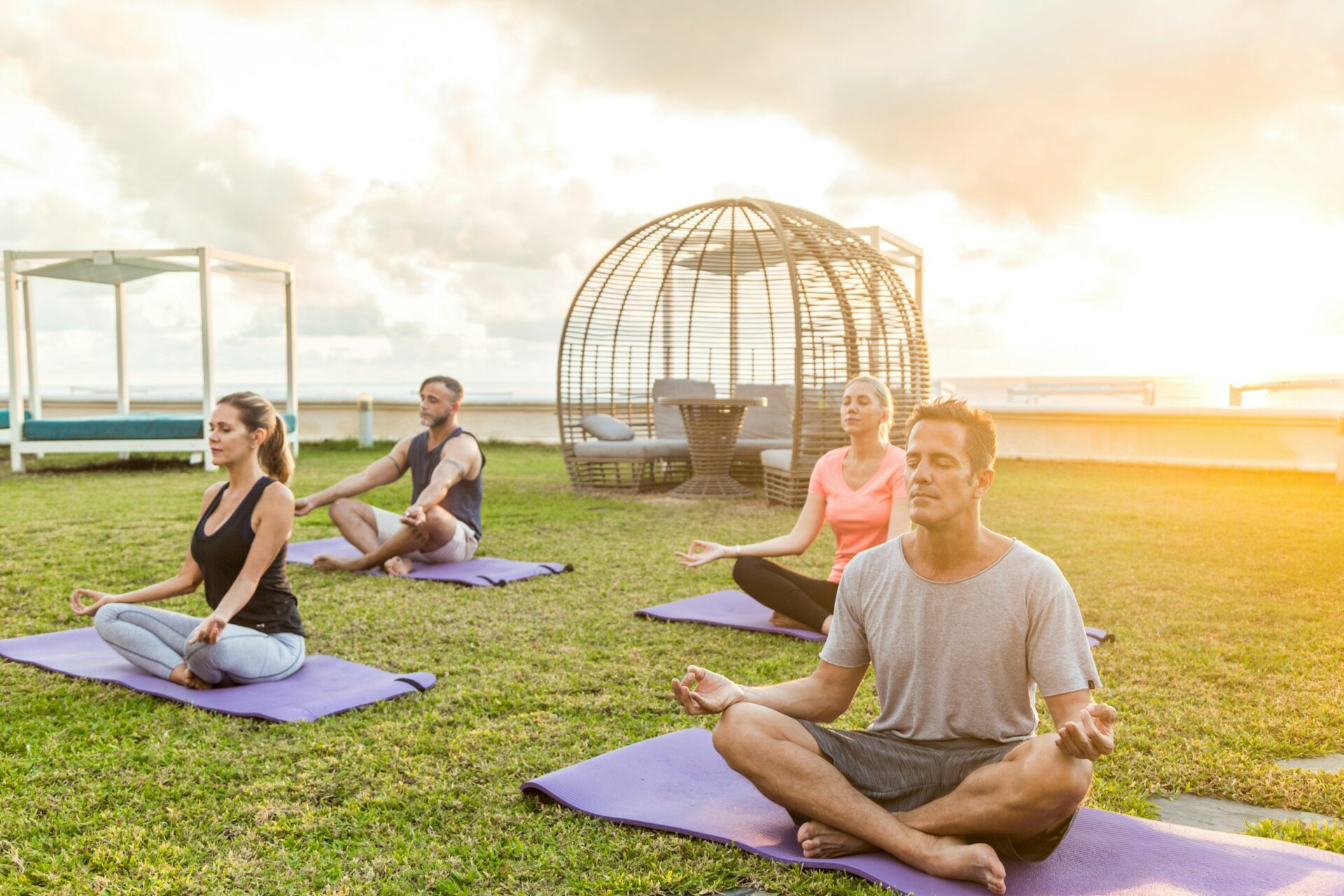
It's also best to avoid particularly intense or stimulating activities, favouring gentler, more relaxing practices such as yoga, meditation or a good walk in the open air. In this way, it's possible to reconnect with one's inner self and learn to manage emotions effectively, improving one's quality of life day by day.