
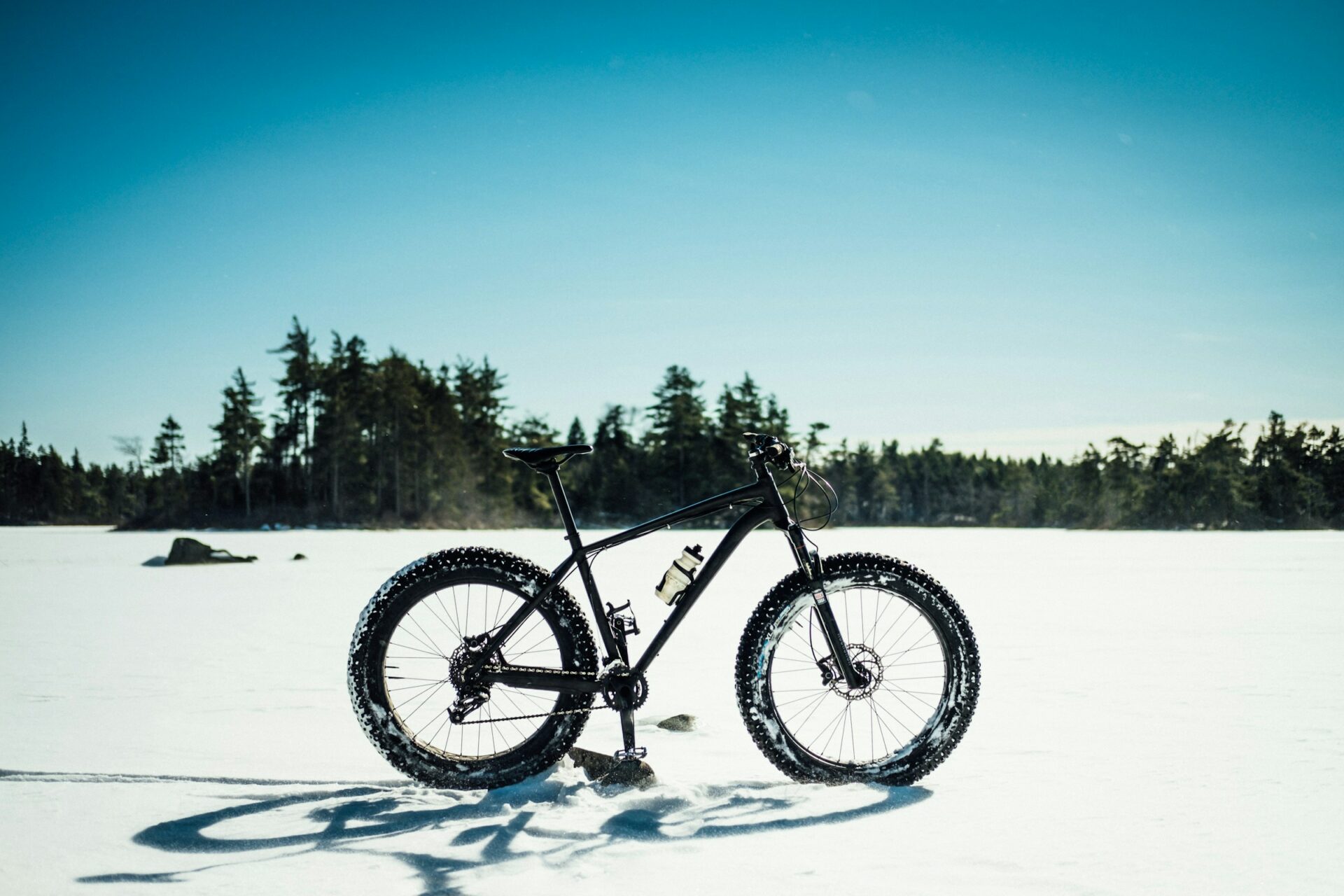
We’re in the depths of winter and usually, with the arrival of the big chill, many people park their bikes in the garage. But there are also those who refuse to give up two wheels and keep hopping in the saddle every day, whether for sport or daily commutes. After all, in countries like Denmark or the Netherlands, people cycle whatever the weather!
So let’s take a leaf out of the Nordic book and not put our bikes away in the garage until the long-awaited Spring arrives!
If you love cycling, follow these valuable and useful tips of ours!
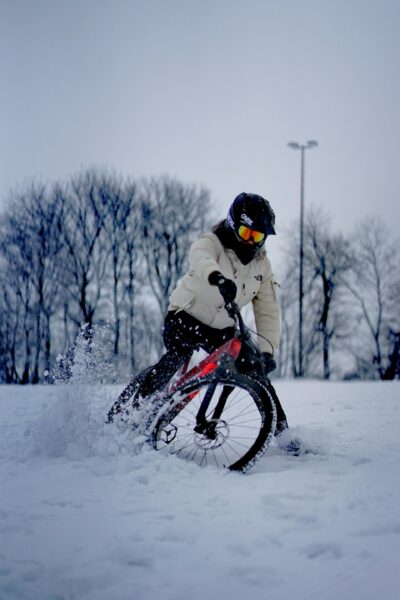
1 – DRESS IN LAYERS
The first rule to follow is to feel comfortable: cycling in low temperatures means burning far more calories than in the warmer months, and despite the cold you can end up sweating a lot. It’s worth dressing with this in mind: that is, in layers, with garments and fabrics that keep you warm, act as a barrier against the cold air and let sweat breathe away.
2 – WEAR A HELMET
Wearing a helmet is doubly useful: it protects you from knocks and falls, but it also shields your head from the cold, perhaps paired with a non-thermal skull cap with sweat-wicking function or a face mask that helps you stay warm and guards against the wind.
3 – AVOID SCARVES AND NECKERCHIEFS
It’s best to avoid woollen scarves and neckerchiefs, which are easy to lose and could even get tangled in the wheel spokes.
4 – ALWAYS WEAR GLOVES
To protect your hands, the ideal gloves are cycling gloves or so-called “lobster claw” gloves (shaped like claws, split in two). The important thing is that they’re made of warm, waterproof technical fabric with inserts that always ensure a good grip on the handlebars and brake levers.
5 – WEAR GLASSES WITH CLEAR LENSES
If you also cycle on snowy or rainy days, wear glasses with clear lenses and a non-slip strap that protect your eyes while still allowing you to see well even in low light.
6 – MIND YOUR UNDERWEAR
Finally, if cycling is your sport even in winter, it’s worth thinking about the clothing in direct contact with your skin too: socks, which need to be thermal since feet are always the part of the body most exposed to the elements, and then base layers, essential for limiting the amount of sweat that lingers against the skin.
7 – WEAR HIGH-VISIBILITY GARMENTS
Lastly, safety is hugely important: in winter the days are inevitably less bright, due to fog, clouds and bad weather, so it’s always wise to wear garments with reflective inserts that ensure high visibility to motorists.