
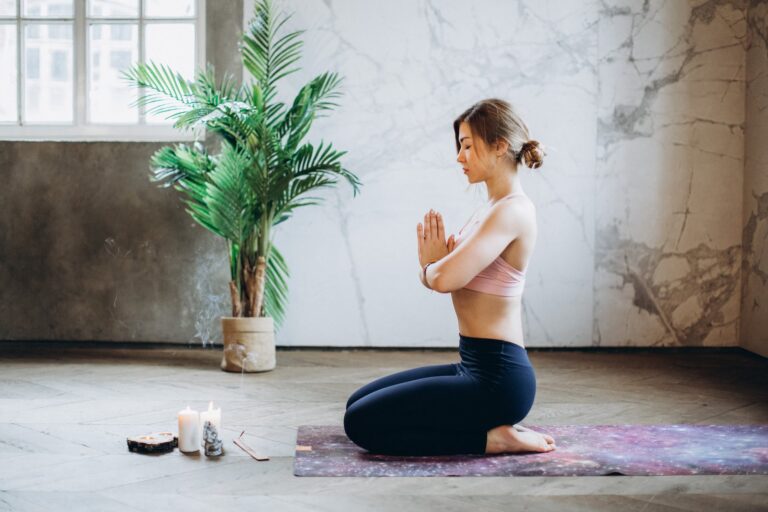
With a few lifestyle tweaks, you can become the best version of yourself and live better. Finding physical and mental balance is now something many of us need!
Poor diet, growing inactivity, stress and a lack of good, restorative sleep are all factors that lower our quality of life.
Biohacking is a set of practices – borrowed from biology, genetics and neuroscience – aimed at improving the body's ability to function at its best and counteract the problems caused by a modern lifestyle.
Biohacking is a distinctive wellness trend, grounded in the idea of controlling and adjusting one's environment and oneself in order to improve health, physical and mental performance, and even extend lifespan.
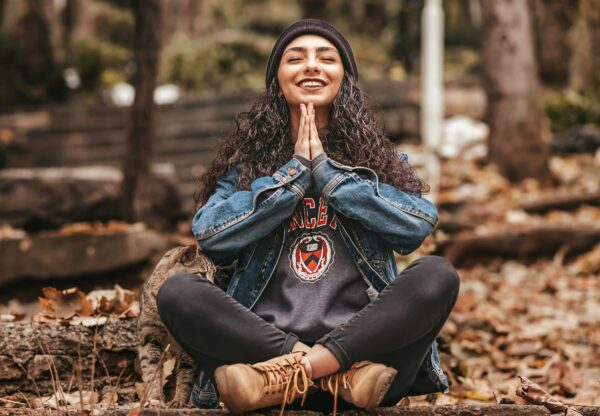
The biohacking movement originated in Silicon Valley and encompasses several schools of thought, as there are many different ways to apply it. Some techniques may seem extreme, while others, such as meditation and intermittent fasting, have now become part of many people's habits and, when practised, can bring energy, health and resilience.
There are biohacking practices accessible to anyone, which can be gradually incorporated into everyday life in order to achieve good psychophysical balance.

For a healthy lifestyle, movement is essential: to live well, long and healthily, it's best to maintain a good level of physical training at any age and ability level. Reaching ten thousand steps a day in the open air is perfect for good muscle tone, and can also bring a sense of fun and lightness.
Be careful not to wrap up too warmly, though: training in cooler temperatures can help reduce inflammation, strengthen the immune system and boost basal metabolism.

Diet, too, needs to be on point, and intermittent fasting can be a good way to detox. This is a nutritional technique involving fasting periods at controlled intervals, useful for purging the body of excess, rebalancing hormones, reducing low-grade inflammation and slowing down ageing.
Also known as the 16:8 diet, it's a type of low-calorie regime in which you only eat within certain hours of the day, alternating with periods where you consume nothing at all. The number 8 refers to the window in which you're free to eat (eight hours, precisely), followed by 16 consecutive hours of abstinence. It has become very popular on social media, but it's a highly restrictive diet, to be followed only for limited periods and suitable only for those in good health.

There are also a few tricks that help improve sleep. For example, spending some time on meditation or breathing exercises before going to bed: just a few minutes can bring surprising results. To drift off gently, try reading a good book, or relaxing on the sofa watching TV, but above all avoid blue light and endless phone chatting.
In everyday life, we're so caught up in appointments, activities and deadlines that we barely have time to stop and breathe. Reconnecting properly with our own bodies is possible, starting precisely with the act of breathing mindfully.
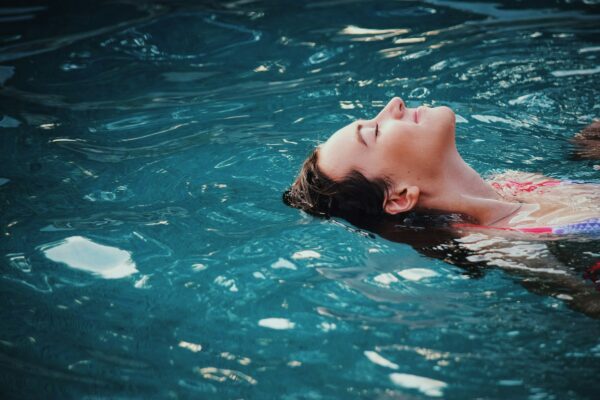
Finally, thermal shocks stimulate the immune system, boost resilience, focus and determination, reduce low-grade inflammation and increase thermogenesis – that is, the body's energy expenditure released as heat through thermoregulation. Just a few seconds at the end of your usual hot morning shower can make a real difference. To get your body used to this temperature change, it's best to start gently.