
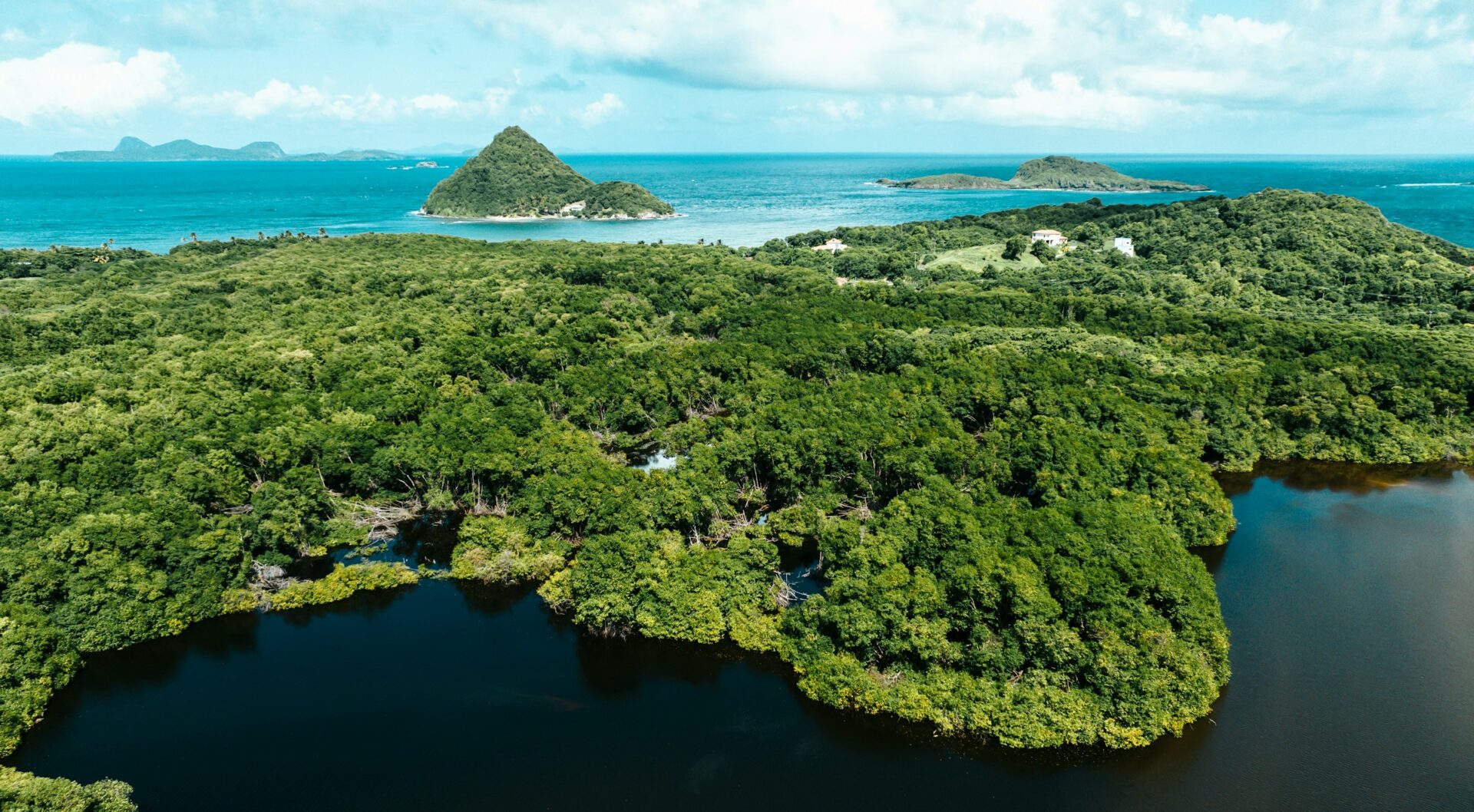
The Delta Blue Carbon project has planted 351 million mangroves and saved 350,000 hectares of coastal forest in Pakistan, contributing to the fight against climate change and improving living conditions for local communities.
Against a global backdrop of sharply declining mangrove forests, Pakistan stands out as a positive exception. While more than a third of these precious forests have disappeared over the past fifty years, the country has seen its mangroves triple between 1986 and 2020, according to a 2022 analysis of satellite data.
The project – whose results were announced by Up2You, a company dedicated to helping businesses achieve carbon neutrality – has led to the planting of 351 million mangroves and has saved over 350,000 hectares of coastal forest, a vital habitat for 134 animal species, including the fishing cat, the crocodile and Blanford's fox.
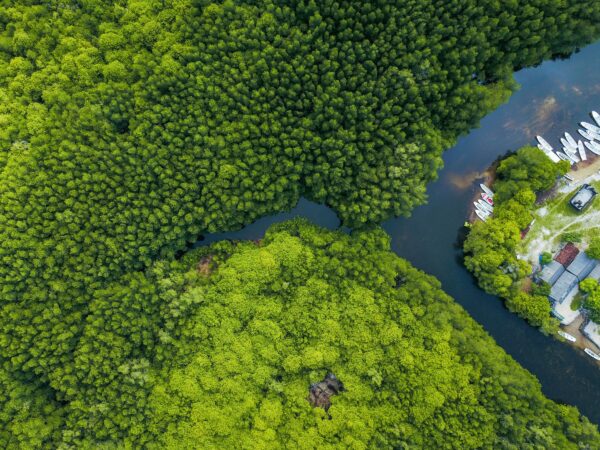
Beyond preserving biodiversity, Delta Blue Carbon has also made a significant contribution to the fight against climate change, capturing almost 2.5 million tonnes of CO₂eq annually, an amount of greenhouse gas equivalent to that emitted by a plane circling the globe 3,268 times.
The project has also improved living conditions for around 43,000 people. Mangroves not only absorb vast quantities of CO₂, but also protect coastal communities from tides and storms, contributing to food security and socio-economic wellbeing.
Globally, mangrove conservation is of vital importance. These rare yet essential ecosystems are able to capture ten times more carbon dioxide than other tree species. They also protect coastlines from extreme weather events, support marine wildlife and filter out harmful UV-B radiation. However, they need specific conditions to survive, including seawater and a tropical climate — conditions increasingly under threat from climate change.