
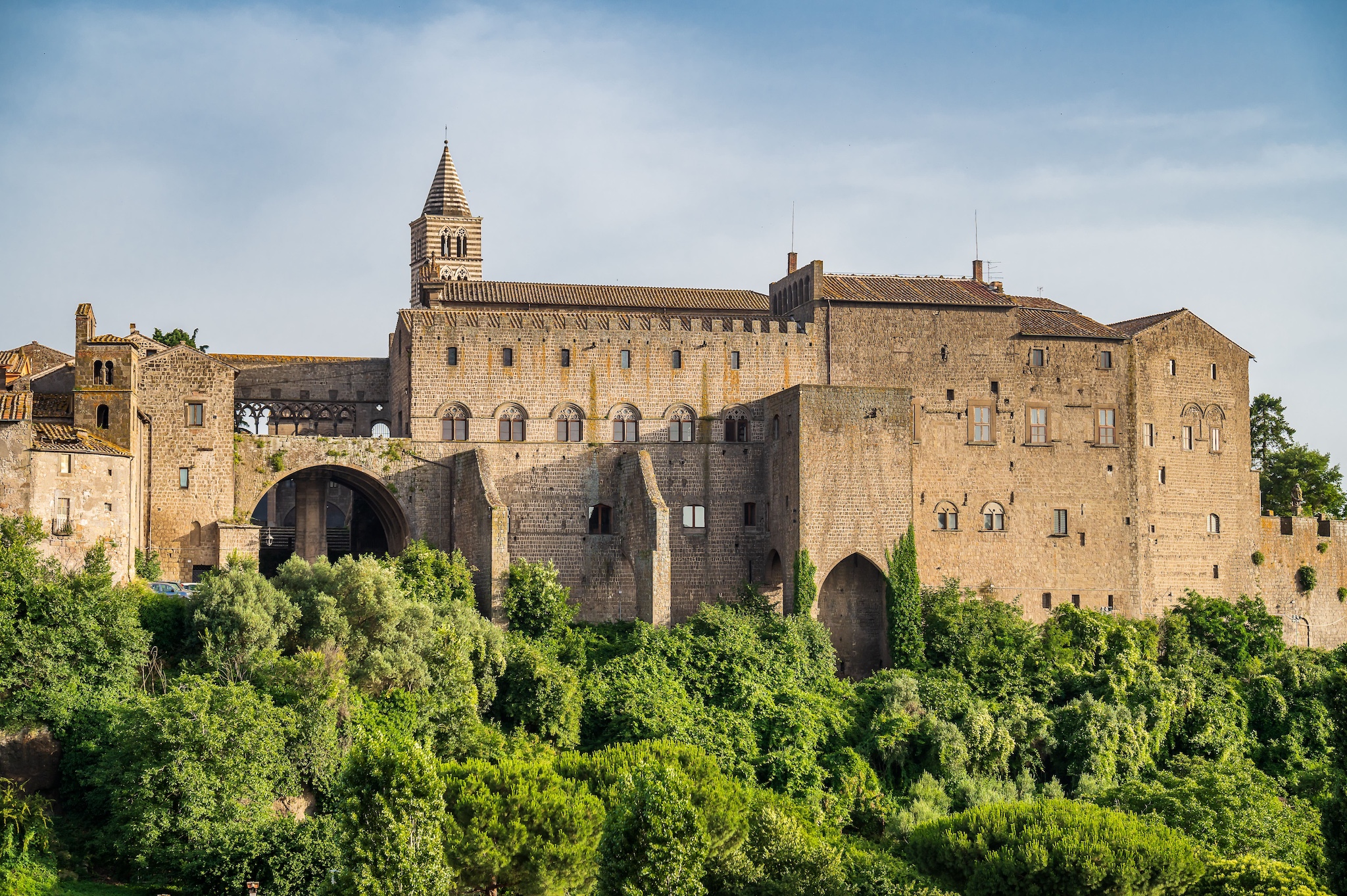
Viterbo: what to see in the City of the Popes, between the old town and the thermal baths
A medieval centre to explore on foot, monumental fountains, palaces linked to the history of the popes and thermal springs. Viterbo is a destination to discover at a leisurely pace, blending culture, tradition and nature. Here's what to see in Viterbo and its surroundings, with ideas for a day trip or a weekend away, even with children or by camper van.
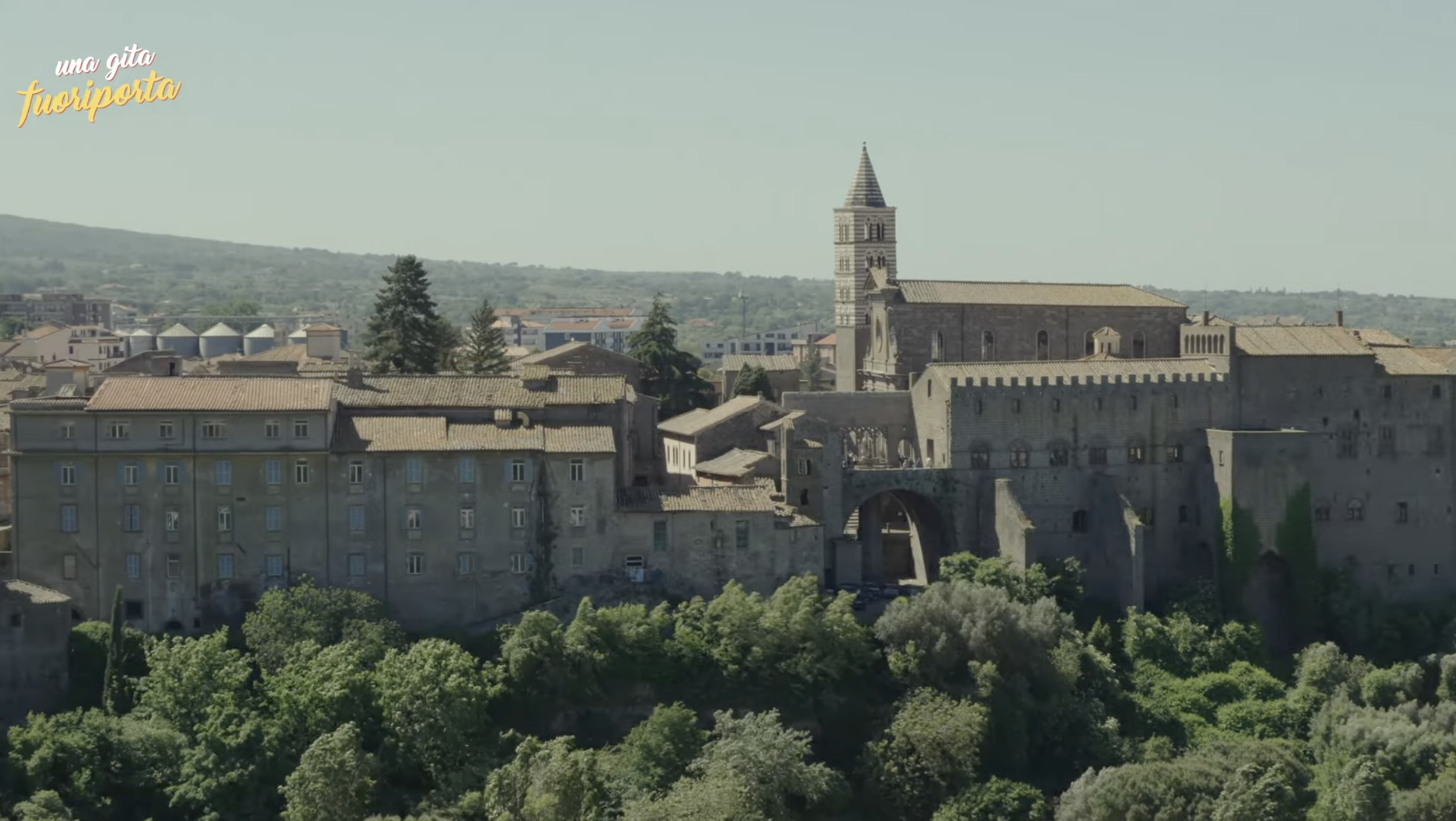
A medieval centre to explore on foot, monumental fountains, palaces linked to the history of the popes and thermal springs just a stone's throw from the city. Viterbo is a destination to discover at a leisurely pace, blending culture, tradition and nature. Here's what to see in Viterbo and its surroundings, with ideas for a trip to Viterbo, what to see in the City of the Popes: old town, thermal baths and surroundings
In a day or over a weekend, even with children or by camper van.
Viterbo surprises from the very first encounter. Enclosed within an imposing set of walls, the old town preserves stone alleyways, towers, external staircases, shared courtyards and fountains that tell centuries of history. Simply wandering around at an unhurried pace is enough to notice that every square holds a detail worth observing and every street invites further discovery.
It's no coincidence that Viterbo is known as the City of the Popes. In the 13th century it was a papal seat and hosted one of the longest papal elections in history: the conclave that led to the election of Gregory X, in 1271, lasted almost three years. It is precisely from that episode that the term "conclave" originates, linked to the decision to shut the cardinals away in one place until a new pontiff was chosen.

Viterbo with Una Gita Fuoriporta: a city to rediscover every time
With Una Gita Fuoriporta, David Romano returned to Viterbo to tell the story of its different sides: the charm of the old town, the traces of its past, local traditions and the experiences that make the surrounding area so special.
Coming back to Viterbo always means rediscovering familiar places while, at the same time, finding new details. This is the beauty of a city that can't be exhausted in a single visit: the perspective changes, and you keep finding new reasons to stop and look.
For this very reason, Viterbo is a destination not to be underestimated when planning a day trip. For those based in central Italy, around two to two and a half hours from the city, it can make for a pleasant day-trip excursion, dedicating the time to exploring the old town and its monuments.
For those travelling from further afield, on the other hand, it's worth staying overnight. The first day can be devoted to visiting the old town, from the medieval quarter of San Pellegrino to the Palazzo dei Papi, taking in the Cathedral and the most characteristic squares along the way. The following day can be set aside for the thermal baths, allowing a few hours to unwind and wrapping up the day around 5pm before heading home.
This approach allows you to experience Viterbo without rushing, combining culture, walking and thermal wellness in a single trip.
What to see in Viterbo: the not-to-be-missed stops
The medieval quarter of San Pellegrino
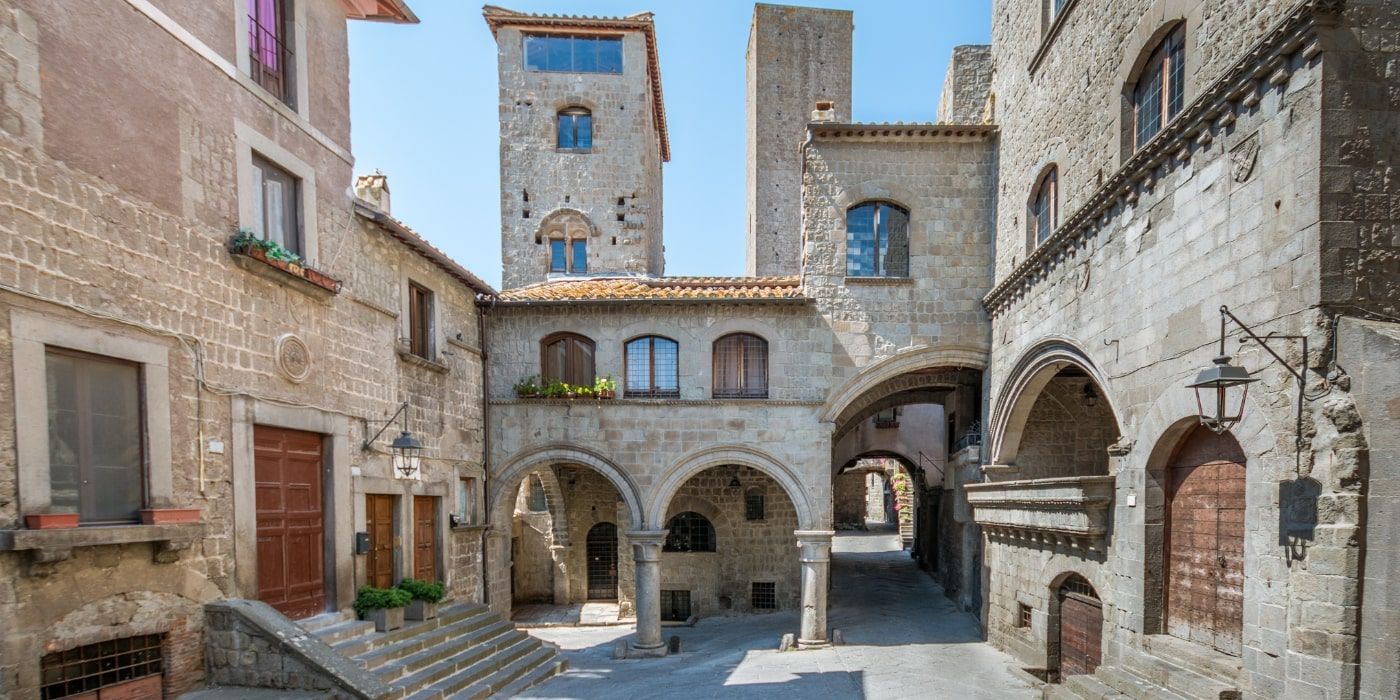
Let's start with the medieval quarter of San Pellegrino, the ancient heart of the city, with workshops, alleyways and shared courtyards that tell of a once-close neighbourhood life. Just a short walk away is the Palazzo dei Papi, a symbol of papal power, and Piazza del Plebiscito, dominated by the Palazzo dei Priori, with its frescoed halls and the Cappella Palatina. In Piazza della Fontana Grande, one of the city's many monumental fountains, you can really feel why Viterbo is also known as the "city of water".
The Palazzo dei Papi and the Cathedral of San Lorenzo
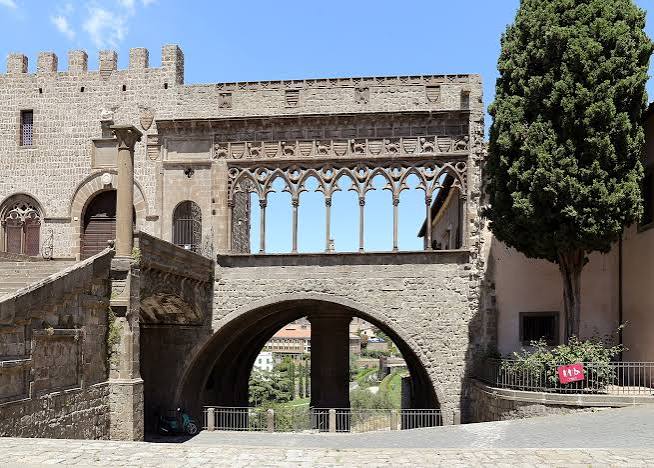
The Palazzo dei Papi, one of the most recognisable symbols of Viterbo's history.
Among Viterbo's landmarks is the Palazzo dei Papi, a reminder of the period when the city was an important centre of papal life. Its loggia is one of the most recognisable architectural features and offers a striking view over the square.
Next to it stands the Cathedral of San Lorenzo, dedicated to the city's patron saint. A visit to this area helps you understand the role Viterbo played in the history of the Church and to appreciate one of the most representative corners of the old town.
Piazza del Plebiscito and Piazza della Fontana Grande
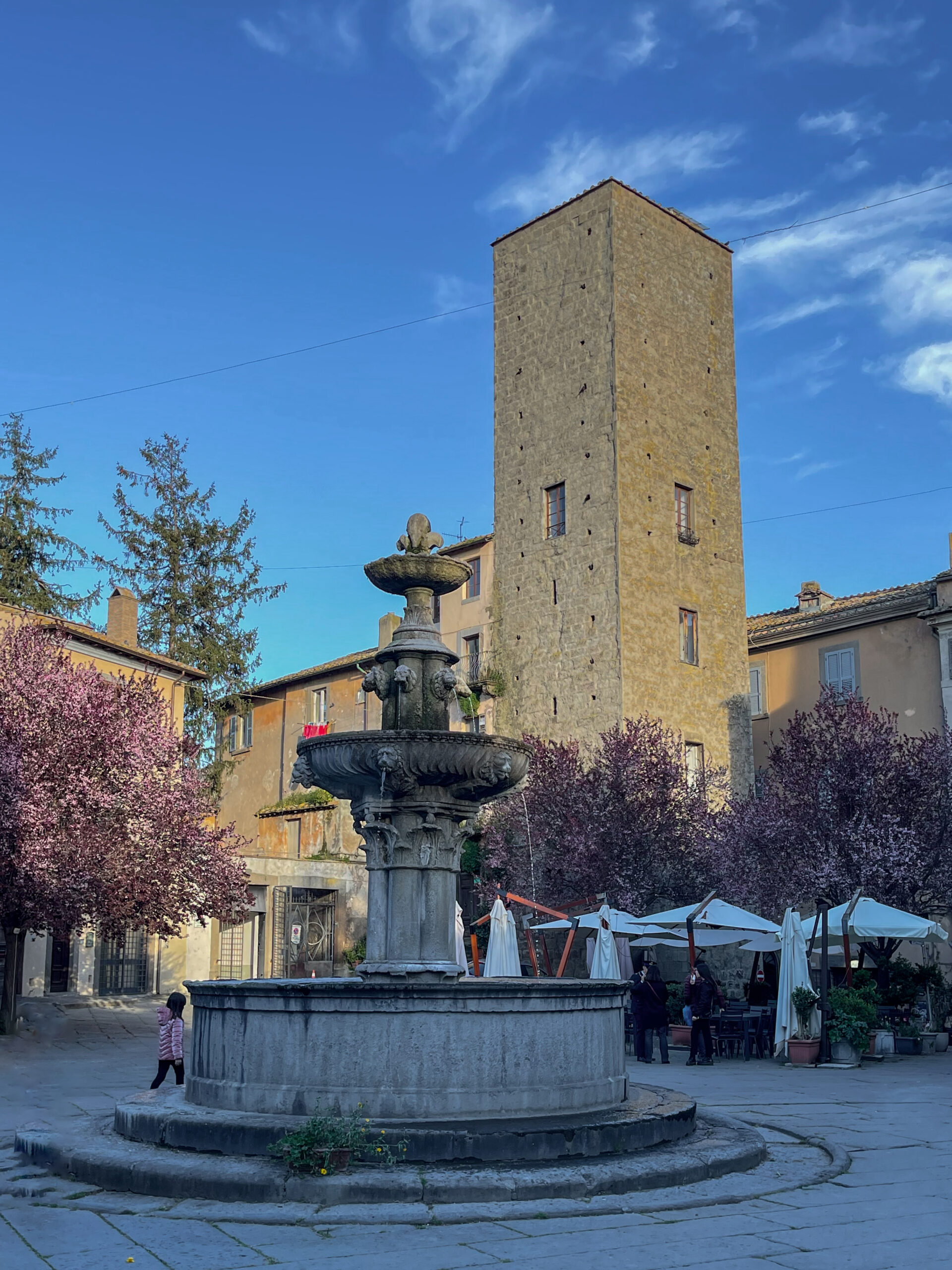
Piazza del Plebiscito is one of the city's main reference points, with the Palazzo dei Priori and the institutional buildings that shape its character.
Continuing on foot you come to Piazza della Fontana Grande, dominated by the monumental medieval fountain. It's one of the places that best captures the relationship between Viterbo and water, an element that defines both the city and its surrounding area, not least thanks to its thermal springs.
The Festival of Santa Rosa


David Romano and the Macchina di Santa Rosa, one of the city's most representative traditions.
If your visit coincides with the early-September celebrations, it's worth finding out about the programme dedicated to Santa Rosa.
On 3 September the tradition reaches its most eagerly awaited moment with the transport of the Macchina di Santa Rosa: a monumental illuminated structure, carried on the shoulders of the "facchini" (bearers) through the streets of the old town. It's one of the city's most defining events, recognised by UNESCO as an item of intangible cultural heritage.
It's an experience that lets you get to know Viterbo not only through its monuments, but also through the community's participation and its bond with its own traditions.
What to see in Viterbo with children
Viterbo can also be an interesting destination for families. The old town lends itself to exploring on foot, and the alleyways, archways and fountains turn the walk into a little adventure.
To plan a day out with children, you could start from the San Pellegrino quarter, continue towards the Palazzo dei Papi and finish the visit in the squares of the old town, allowing for breaks and playtime.
To avoid tiring the little ones out too much, it's worth planning the route in advance. From the Valle Faul area there are lift connections up to the old town: it's advisable to check they're working and their opening times before your visit.
If you have more time, the surrounding area offers other family-friendly experiences. In Bomarzo you'll find the famous Parco dei Mostri (Park of the Monsters), a sixteenth-century garden populated with astonishing sculptures and enigmatic figures. Lake Bolsena, meanwhile, is a good choice for a stroll along the lakefront, a picnic or, when available, boat trips.
Viterbo and its thermal baths: where to relax
The thermal baths are well worth considering, especially when planning a weekend, but they can also be a way of rounding off a day in the city. In case of bad weather, a thermal spa can offer an alternative to an outdoor visit, as long as you check the access conditions and the activities available.
Among the facilities and locations worth considering are:
Terme dei Papi, one of the best-known thermal spas in the area.
Hotel Salus Terme, for those looking for a stay with dedicated wellness services.
Tuscia Terme, worth checking out depending on the packages and access arrangements.
Therma OASI, worth checking for services and availability.
Bagnaccio Terme & Natura, a natural thermal area for those seeking a different kind of experience.
Not all facilities offer the same experience: some are organised as wellness centres, while others have different characteristics.
Viterbo by campervan: where to stop and how to plan your visit
Those travelling by campervan for the thermal springs often choose the Strada Bagni and Cassia area. The Bullicame car park, next to the springs, is a simple car park rather than a fully equipped site. Always check the overnight stopover rules before you arrive.
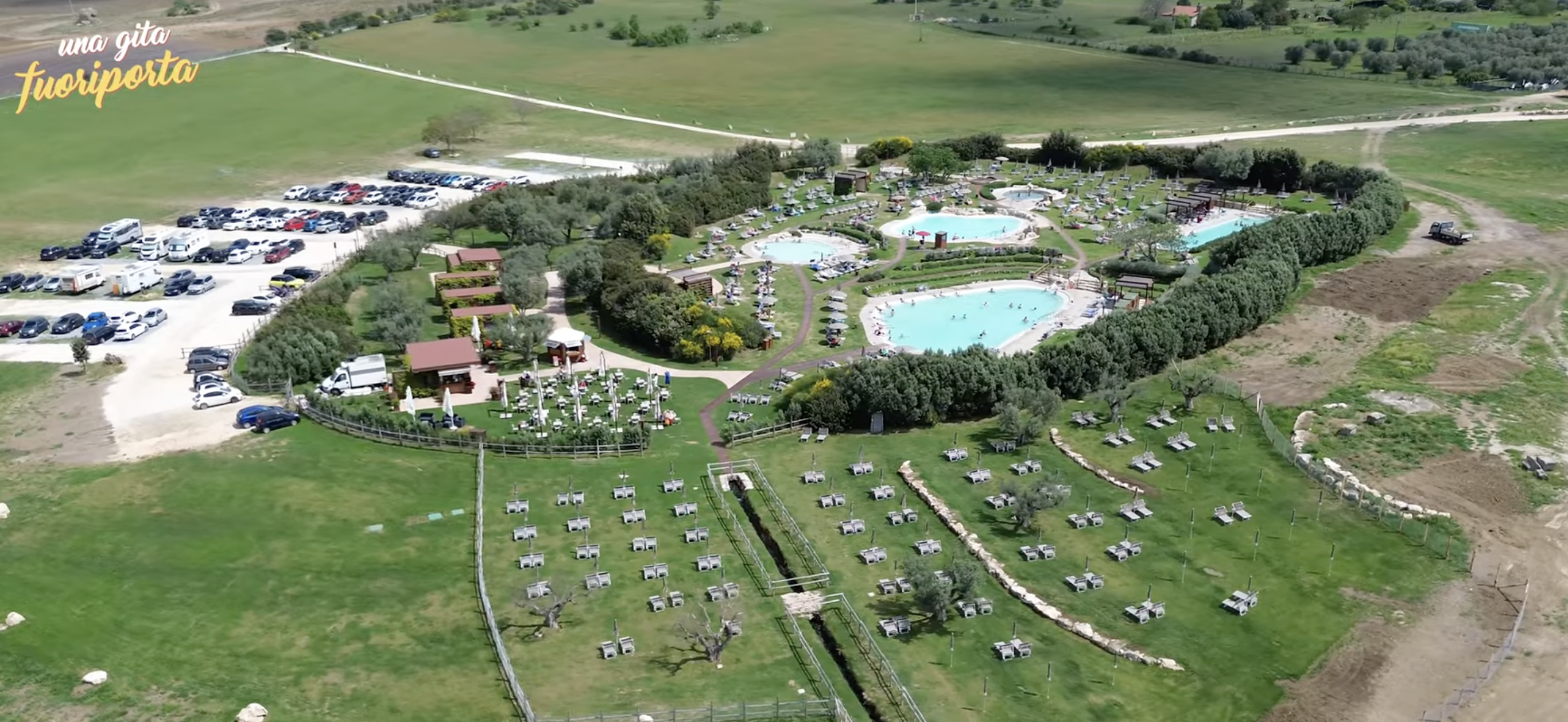
Visiting Viterbo by campervan allows you to use the city as a base for exploring the wider Tuscia area too. However, it's important to distinguish between ordinary car parks and properly equipped sites, as not all of them offer facilities specifically for recreational vehicles.
Where to park to visit the town centre
To reach the historic centre, you could consider the Porta Faul area, bearing in mind the type of vehicle, the rates, the maximum height allowed and any restrictions in place. The presence of a restricted traffic zone (ZTL) also means paying close attention to access points and signage.
Our advice is always to check up-to-date information before setting off, especially during busier periods and when events are taking place in the city.
Where to eat in Viterbo on a budget
For a bite to eat without breaking the bank, you might try a porchetta (roast pork) sandwich, pizza by the slice, or restaurants serving local dishes.
While wandering through the historic centre, it's also worth seeking out the spots favoured by locals and comparing menus and prices before choosing where to eat. If you're travelling with children or short on time, a quick break can easily be combined with visits to the main monuments, without disrupting your itinerary too much.
To make this section even more useful, a selection of recommended spots could be added, including their specialities, price range and location.
Viterbo at Christmas: lights, markets and the Christmas village

Viterbo at Christmas, with festive lights, family activities and a magical atmosphere in the historic centre.
During the festive season, the historic centre can transform into a scene straight out of the holidays, with festive lights, family activities and Christmas market events.
The Viterbo Christmas Village is one of the attractions worth considering for a winter visit, especially with children. The programme may include themed settings, scenery dedicated to Father Christmas's world, and activities for little ones. Dates, opening times and attractions vary from year to year, so it's essential to check the official calendar for the current season before planning your visit.
Romantic Viterbo: a couple's weekend between thermal springs and villages
Viterbo can also become a destination for a romantic getaway. A stroll through the medieval streets, dinner in the historic centre and a few hours of relaxation at the thermal springs all combine to create a stay that alternates discovery with wellbeing.
With two days available, you could dedicate the first to the city and the second to the thermal springs or an excursion to the villages of the Tuscia. This way, the trip isn't limited to sightseeing, but becomes an opportunity to get to know the area at a more leisurely pace.
Trekking and walks in the Tuscia
Those who love walking can use Viterbo as a starting point for exploring the landscapes, woods, gorges and archaeological remains of the Tuscia. Routes of varying length and difficulty are available, to be chosen according to participants' experience and fitness.
Among the routes worth exploring are:
Cammino Tuscia 103, a long-distance trail through the Tuscia region; check the current stages and mileage before setting out.
Anello dei Tre Villaggi (Three Villages Loop), a route through the Barbarano Romano, Villa San Giovanni in Tuscia and Blera area, taking in woods, landscapes and Etruscan remains.
Valle del Treja, a natural area to explore via trails and paths that can include the Monte Gelato waterfalls.
Monte San Valentino, near Viterbo, for those considering a walk in the Palanzana area, with its views over the Tuscia.
To join an organised outing, you can check the events run by local CAI (Italian Alpine Club) branches and local hiking guides. It's important to check the actual length of the routes, the elevation gain, trail conditions and difficulty level before setting off.
For something a little different, especially if you're travelling with children, you could also consider an alpaca walk in the countryside around Viterbo, checking the activities on offer and how to book.
Viterbo in one day or two: which itinerary should you choose?
The ideal length of your visit depends on how far you're travelling and the experiences you'd like to have.
For those coming from Central Italy, roughly two to two and a half hours away, Viterbo makes a perfect day trip destination. It's best to focus on the historic centre, visiting San Pellegrino, the Palazzo dei Papi, the Cathedral and the most characterful squares, with a break to try a few local specialities.
For those travelling from further afield, it's a good idea to plan an overnight stay. The first day can be spent discovering the historic centre, with enough time to visit the monuments and wander through the medieval lanes. The second day can be devoted to the thermal springs, enjoying a few hours of relaxation into the afternoon, around 5pm, before heading home.
This way, you can combine history and wellbeing without cramming too much into just a few hours. Before setting off, it's still worth checking the opening times of the monuments and thermal facilities, so you can plan both days as well as possible.
Practical tips for planning your visit
When to go: spring and autumn are good seasons for walking and hiking; winter suits those wanting to combine their visit with the thermal springs or Christmas events; early September is the time to consider for the Santa Rosa celebrations.
How to get there: Viterbo can be reached from Rome by car or by train. Journey times and rail connections vary depending on the route and timetable, so check the latest options before you leave.
What to wear: comfortable shoes with a good grip are recommended for the cobbled streets and uphill stretches.
Travelling with children: plan breaks, consider the length of routes and check the accessibility of the places you want to visit.
For the thermal springs: check opening times, prices, bookings and the facilities available.
By campervan: check the stopover rules, the size limits in car parks and whether dedicated facilities are available.
For trekking and hiking: find out about the length, elevation gain, difficulty and condition of the trails.
Viterbo, a day trip destination that deserves more than one visit
Whether you choose to visit Viterbo for an afternoon or stay for a whole weekend, this city has a wealth of different experiences to offer: the charm of its medieval walls, the history of the Popes, traditions that bring the whole community together, thermal waters and the landscapes of the Tuscia.
As David Romano's experience with Una Gita Fuoriporta shows, returning to a place you've already visited doesn't mean repeating the same journey. By changing perspective, you discover new details, encounter different stories and find new reasons to stop a while.
Viterbo really is one of those destinations not to be underestimated: close enough for a day trip from Central Italy, yet rich in opportunities that make it well worth a two-day stay too, taking in the historic centre, thermal springs and surrounding area.