
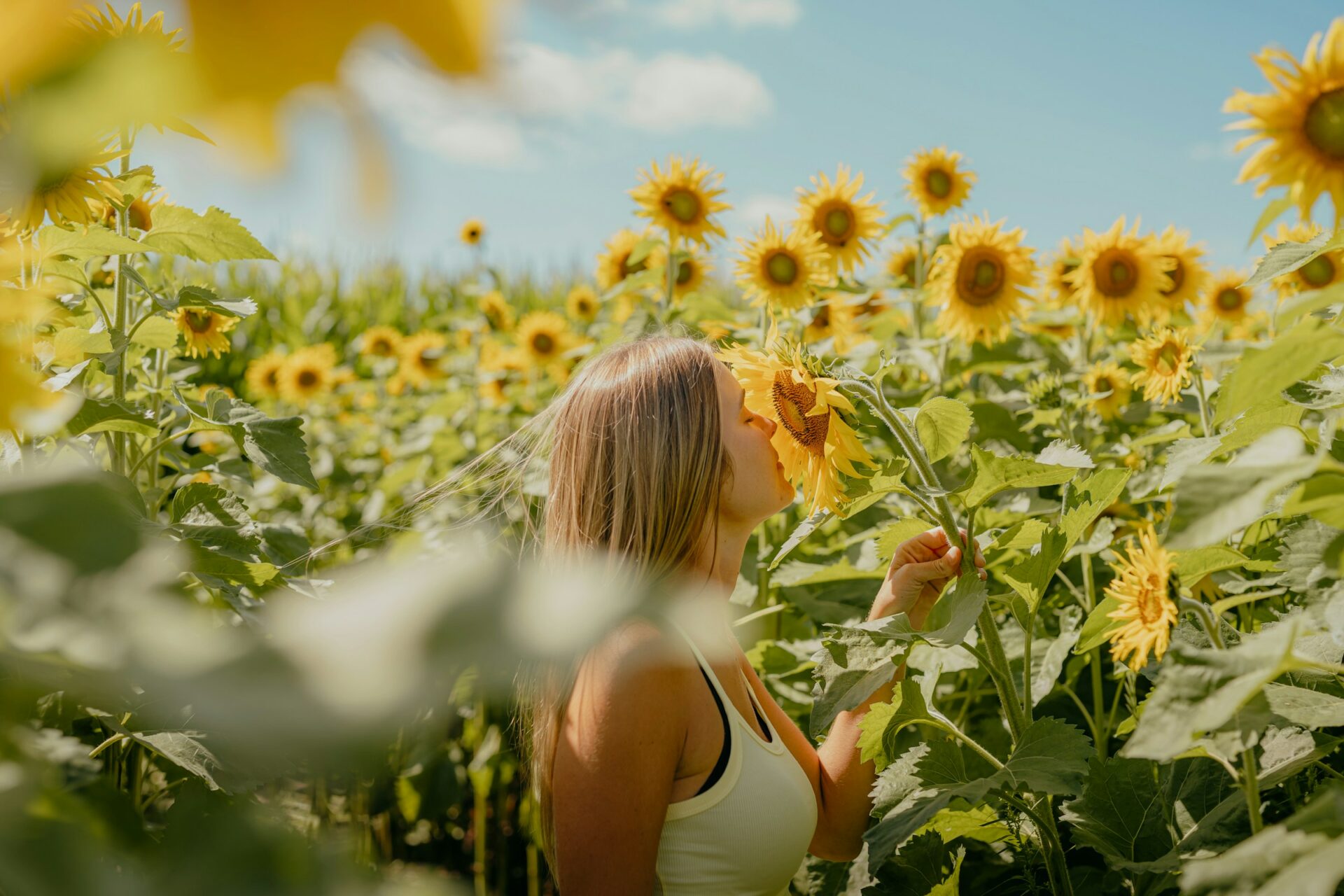
For a few years now we've been hearing about scent tourism, a sort of new holiday trend. But what is it exactly?
To explain it, let's start with the image of the lavender fields of Provence, which bloom from late June to mid-August: walking between the purple rows is a moment of connection with nature that engages all the senses, including smell. The scent of blooming lavender is a memory that remains forever linked to that journey.
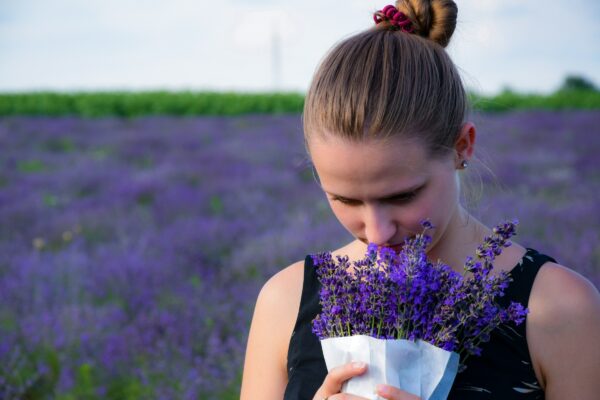
According to science, smell is the only sense directly connected to memory and to the centres of emotional learning, so much so that 75% of the emotions we experience every day are linked to this sense. This means that a scent's ability to trigger a feeling is even greater than that of sight.
Hotels, museums and tour operators seem to have embraced this concept and are keen to make this sense central to the travel experience. In terms of branding, luxury hotels and restaurants are focusing on scents as a recognisable detail, opting for precise, carefully studied fragrances that customers can immediately associate with their own experience of comfort.
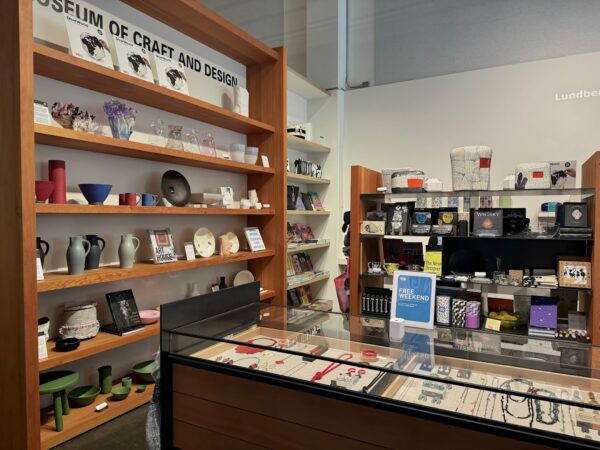
The Museum of Craft and Design in San Francisco, for instance, hosted Living with Scents, the first exhibition entirely dedicated to olfactory design, where over 40 design objects incorporate different scents, reflecting on the ethical, sentimental and instrumental implications of this sense.
From the Louvre to the Prado, and including Italian museums, guided scent-themed tours are increasingly common, such as those organised until May 2024 in the former Church of Santo Stefano in Mondovì, where Caravaggio's masterpieces can be discovered through the nose.
The search for the sense of smell while travelling probably stems from the fact that, in everyday life, we rarely put it into practice. Contributing factors include the dominance of screen-based imagery, as well as the years spent breathing through a face mask, which have further distanced us from the creative use of our noses.
Reclaiming this sense in our free time thus becomes an almost therapeutic opportunity. A kind of healing that echoes the old sayings about “good mountain air” or the twentieth-century cures that recommended long stays by the sea. Air quality is linked to the theme of scent tourism and to that of wellbeing, drawing a common thread to the need to find a balance between environmental and tourism sustainability.