
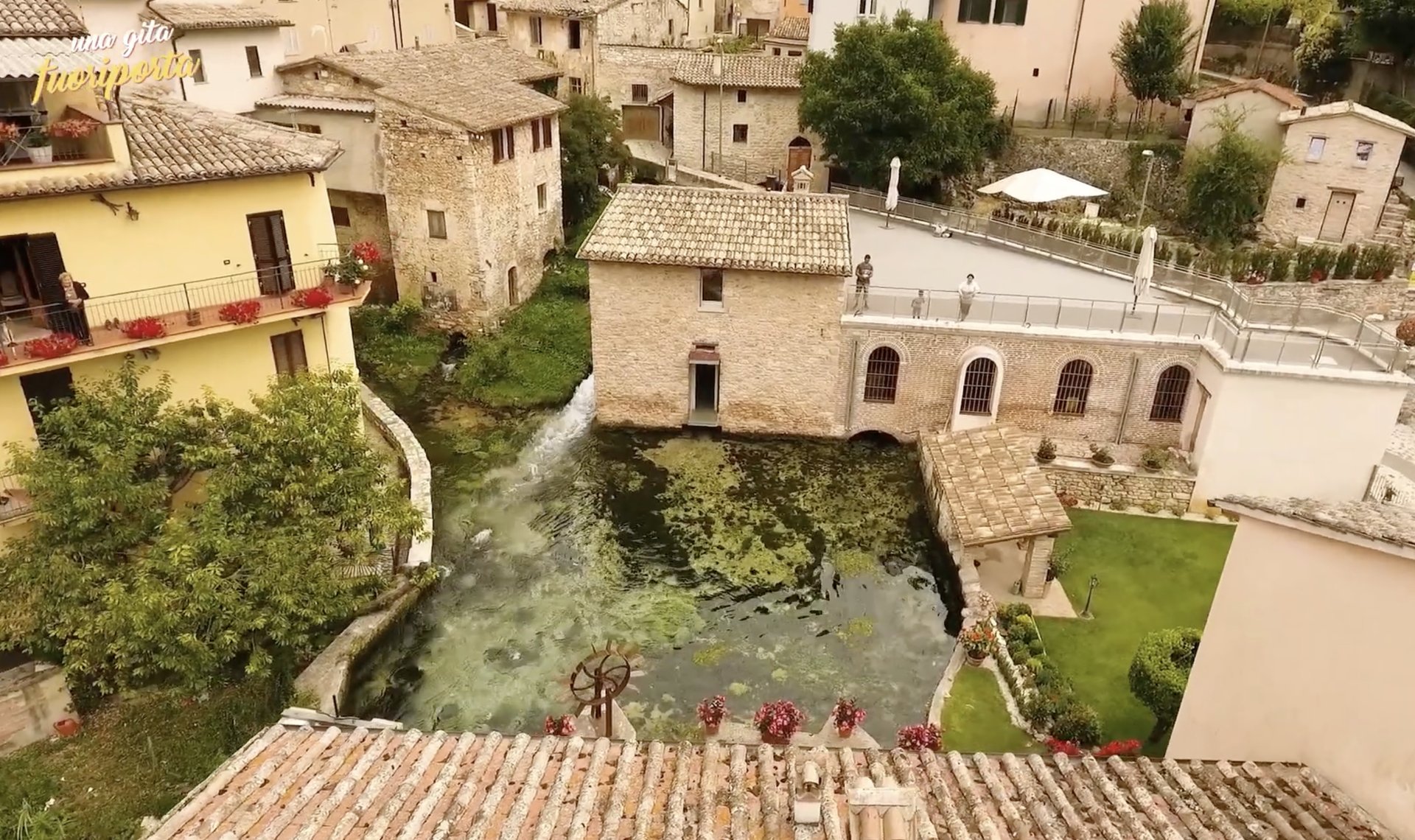
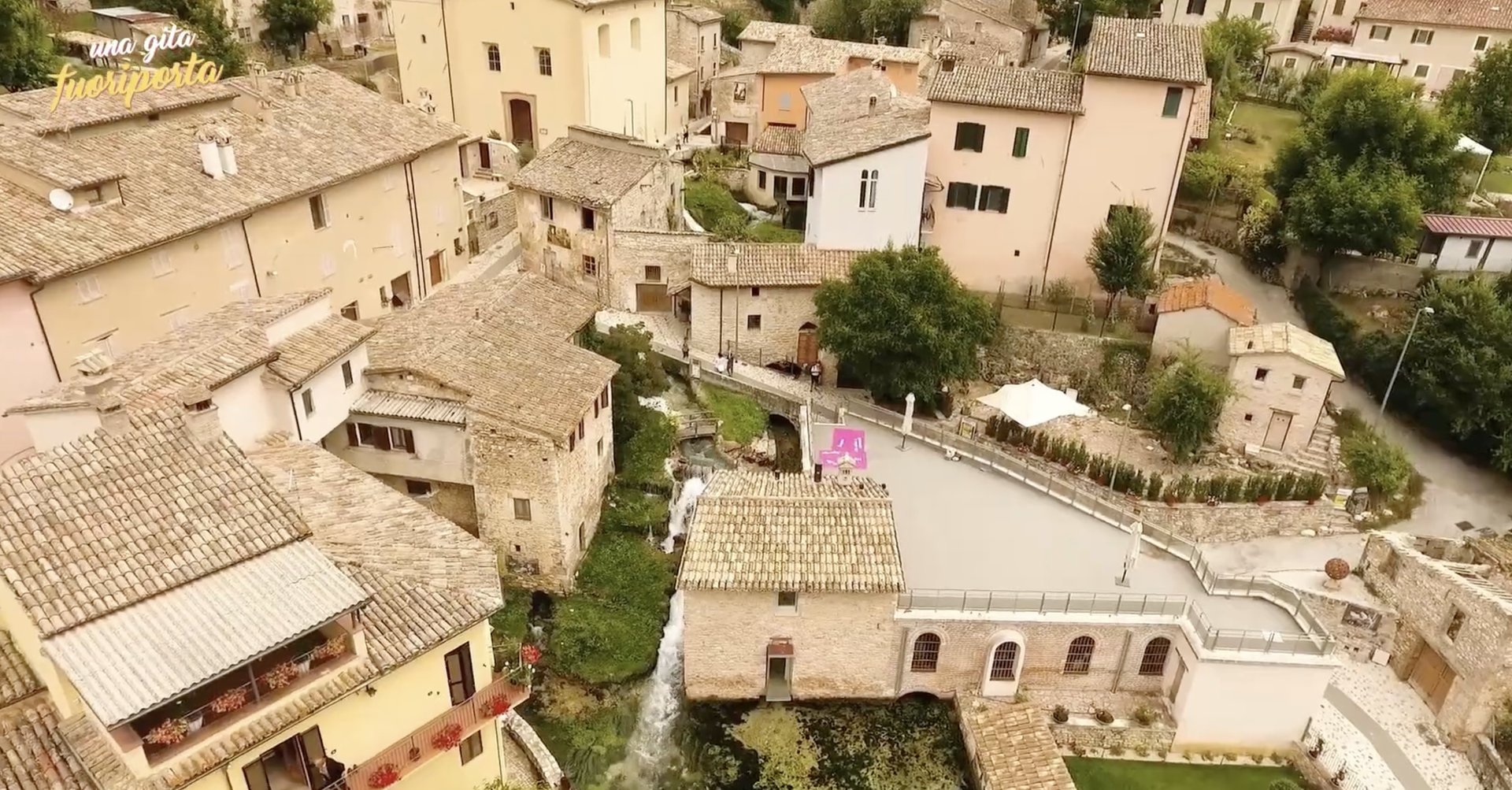
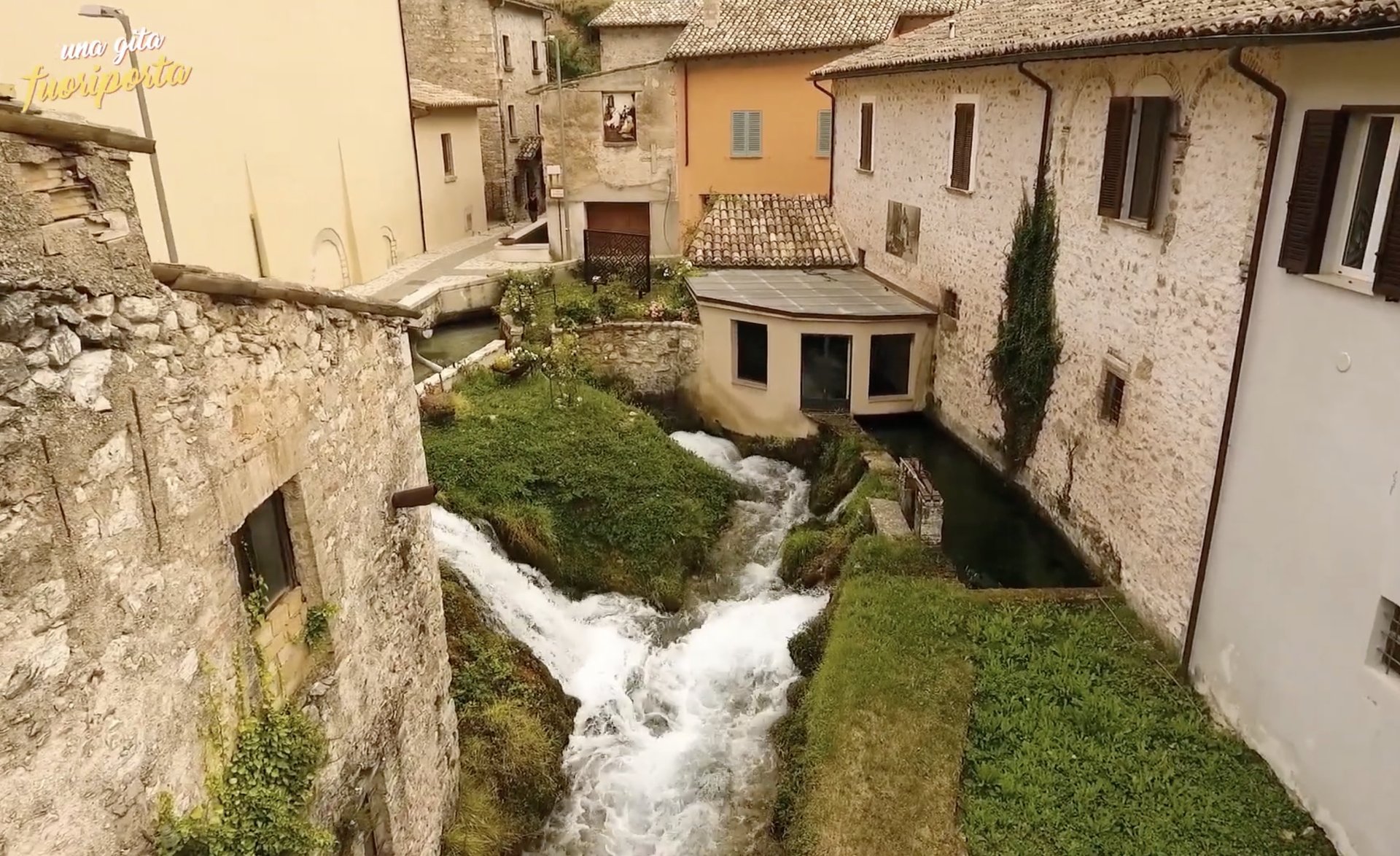
What to see in Rasiglia is a question more and more travellers are asking: this small Umbrian village, a hamlet of Foligno in the Menotre valley, has become one of Italy's most searched-for villages online, alongside names like Otranto, Tropea and Spello. Perched at over 600 metres above sea level in the Apennines, Rasiglia is a place that quite literally lives with water: streams run along the alleyways, pass beneath little bridges and flow straight through the buildings. That's why it's called the village of streams, or Umbria's little Venice. And that's why it's worth a visit in any season.
Why Rasiglia is the village of streams
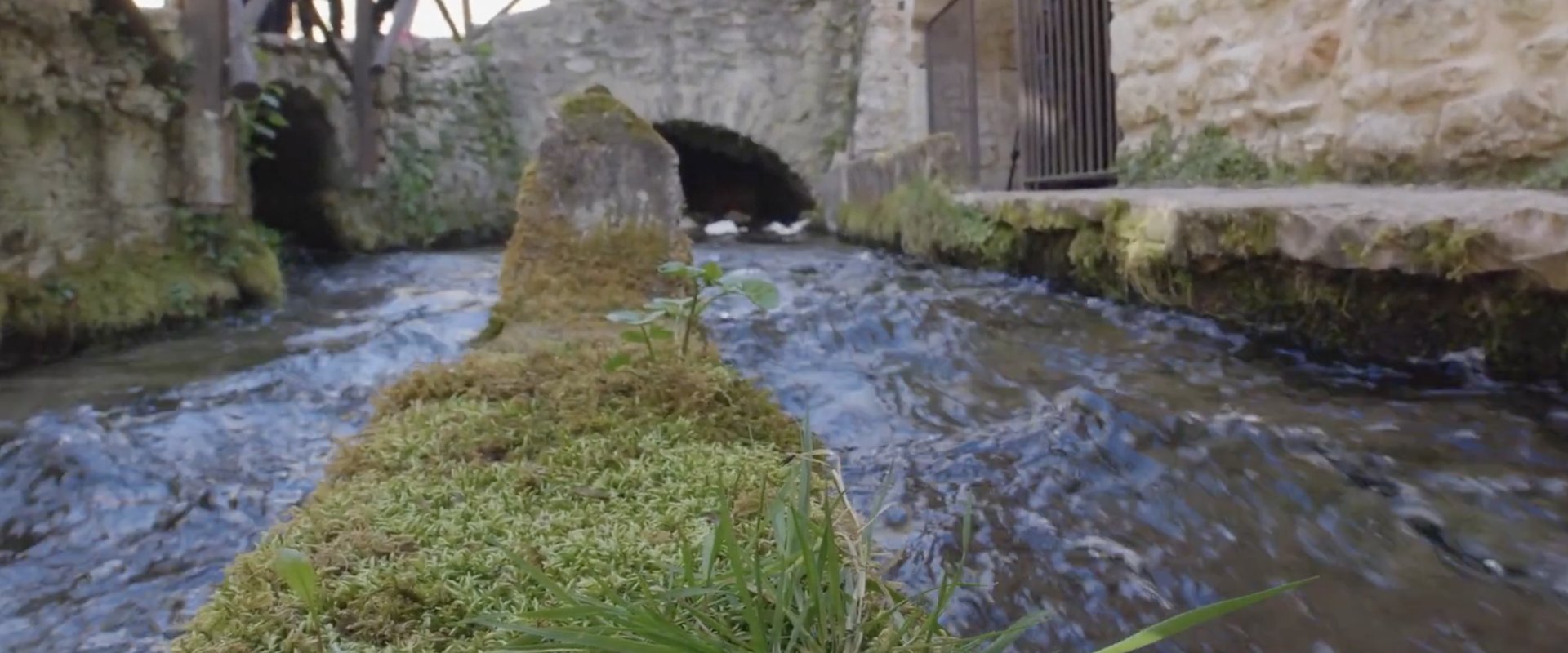
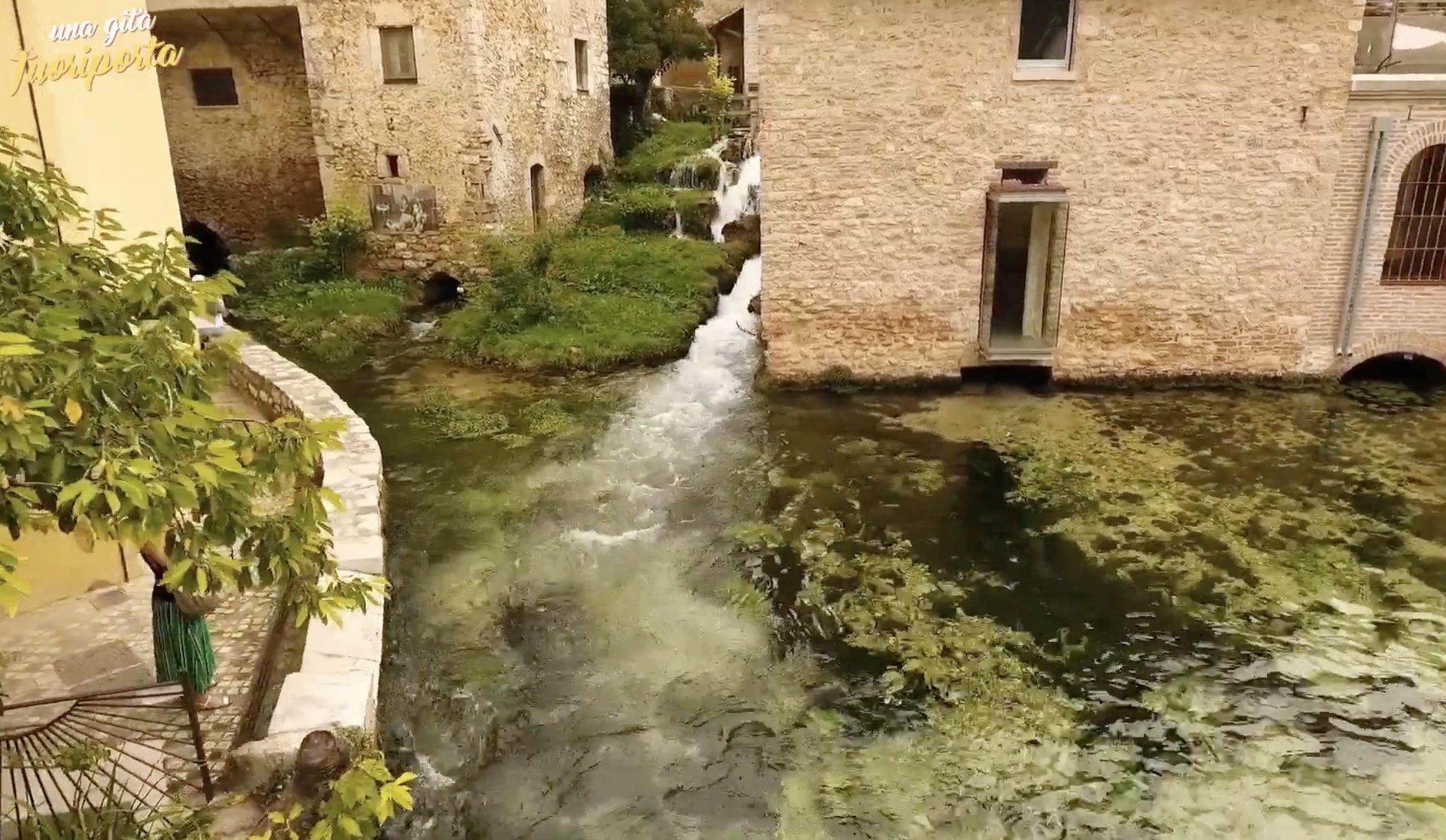
Rasiglia's secret lies beneath your feet. In the upper part of the village, at the foot of the Palazzo dei Trinci, rises the Capovena spring, which feeds the whole village; to this are added other water sources, such as Alzabove, Venarella and the Vene di Chieve. The little streams run down between the houses in cascades and sluices, finally joining the River Menotre. The result is a maze of stone and water, with the sound of running water accompanying every step. The history and walking routes are detailed by Umbria Tourism, the region's official tourist portal.
The history: from the Trinci family to the wool mills
Rasiglia has a history rooted in work. In the fourteenth century the Trinci family, lords of Foligno from 1305 to 1439, built a fortress on top of the hill to control the valley and the Via della Spina, the road linking Rome to the Adriatic; stretches of wall and the keep survive among the ruins. Even earlier, the monks of the Abbazia di Sassovivo had recognised the power of the Menotre's waters and built mills and workshops. From the sixteenth century the Tonti family developed the wool industry, and between the nineteenth and twentieth centuries the Accorimboni family brought the village to its peak, with one of Umbria's first small hydroelectric plants and a mechanical Jacquard loom brought in from Germany. People used to say Rasiglia was "like Milan".
Then came the post-war years and the 1997 earthquake, with factories closing and the village emptying out. Unlike so many ghost villages, however, Rasiglia has come back to life thanks to its residents and the Rasiglia e le sue sorgenti association.
What to see in Rasiglia
The Roman Bridge and the fountain square
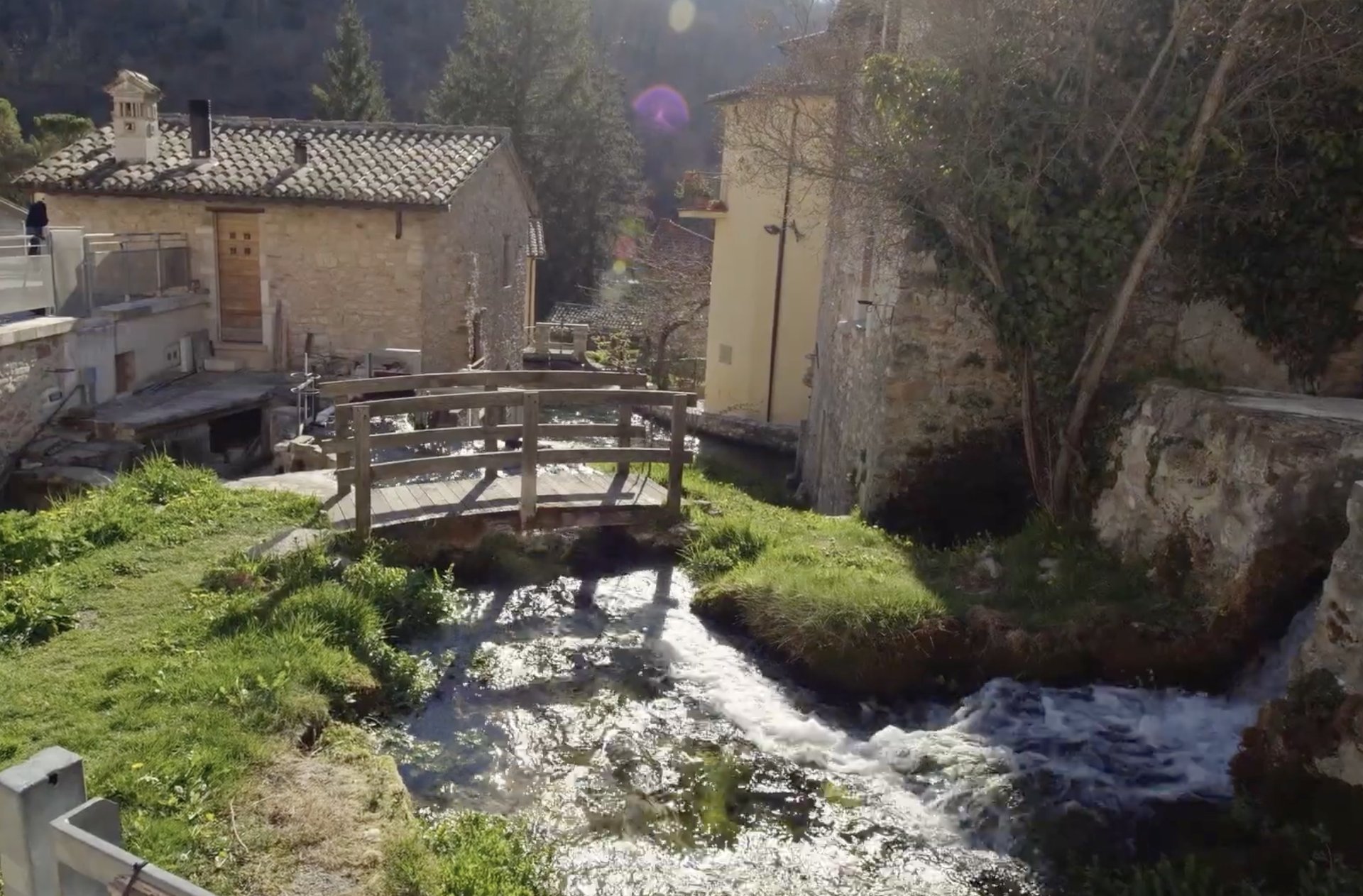
Entering the village, you'll immediately come across the stone bridge over the Menotre. From here you climb up to the main square, with its old fountain decorated with a ceramic mosaic, for centuries the village's main water source.
The Mulino della Rocchetta
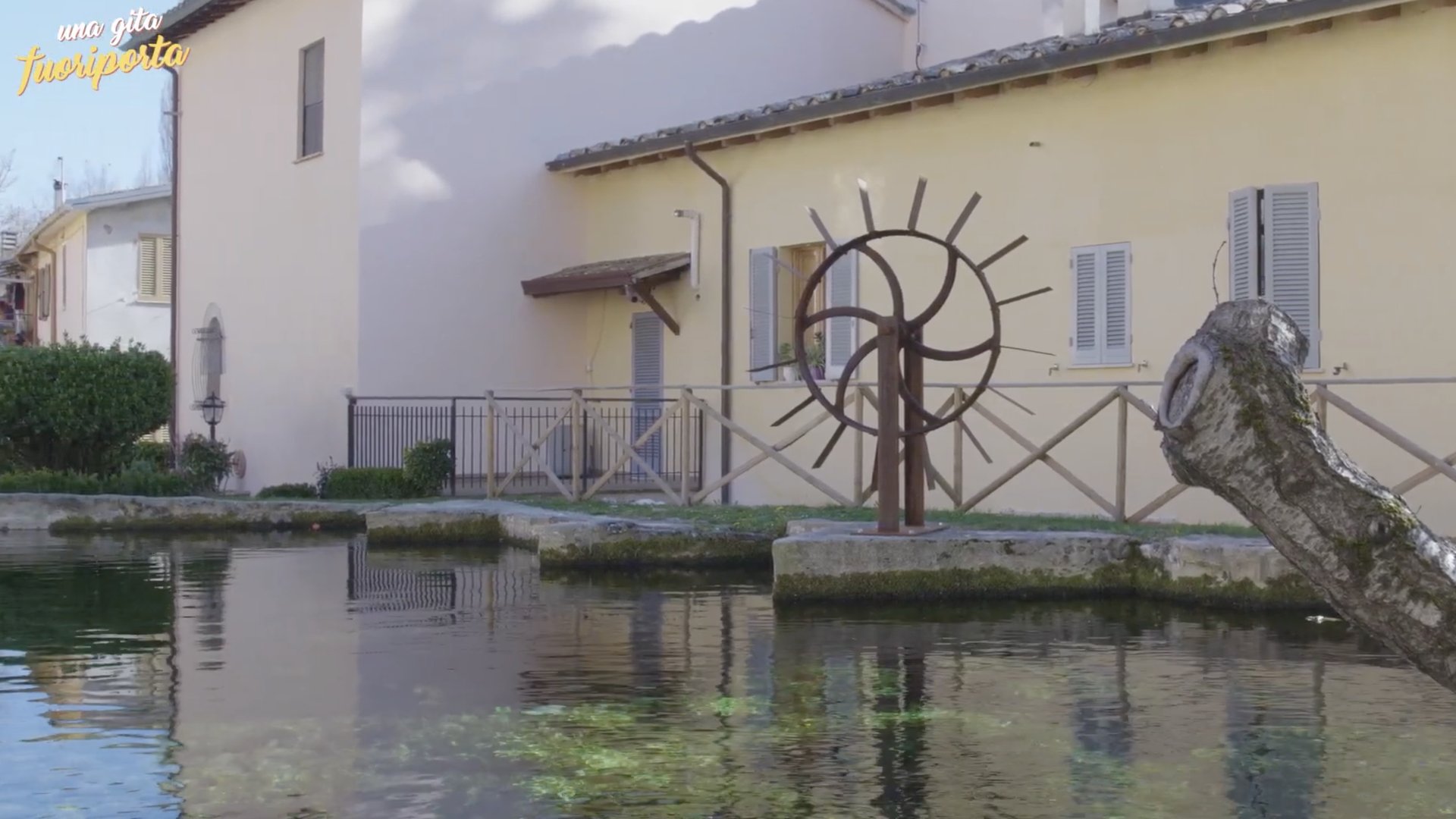
Along the alleyways stands the eighteenth-century water mill, where you can still see the millstones and the tools once used to grind grain.
The Accorimboni wool mill and the open-air museum
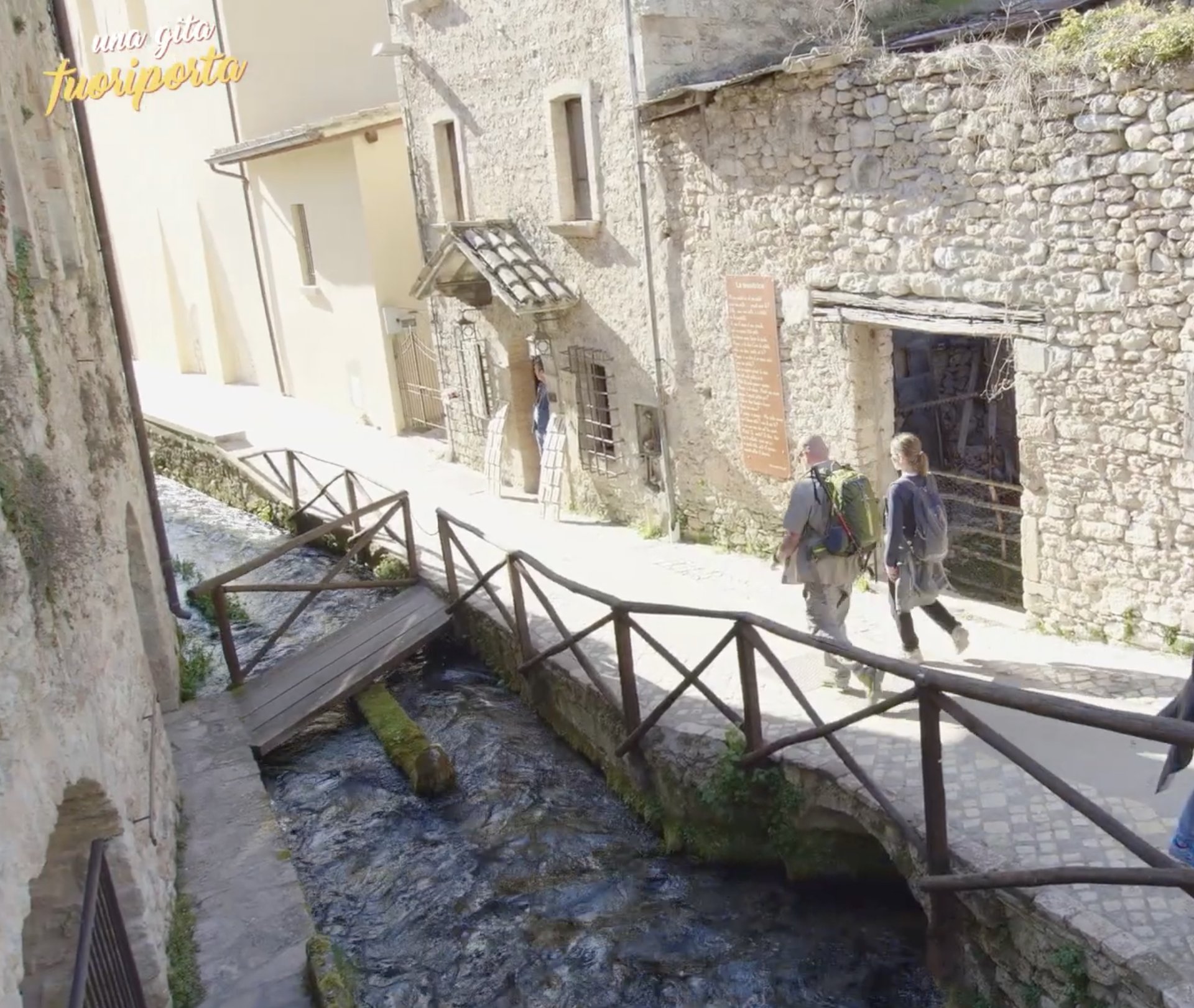
Today the village is a genuine open-air museum of industrial archaeology. The Accorimboni wool mill has been restored, with its Jacquard loom still in place, along with the small hydroelectric plant and part of the old workshops. The former church of San Salvatore also houses the Museo delle Acque (Water Museum), with the tools once used to manage water across the area.
The Peschiera and the Menotre trail
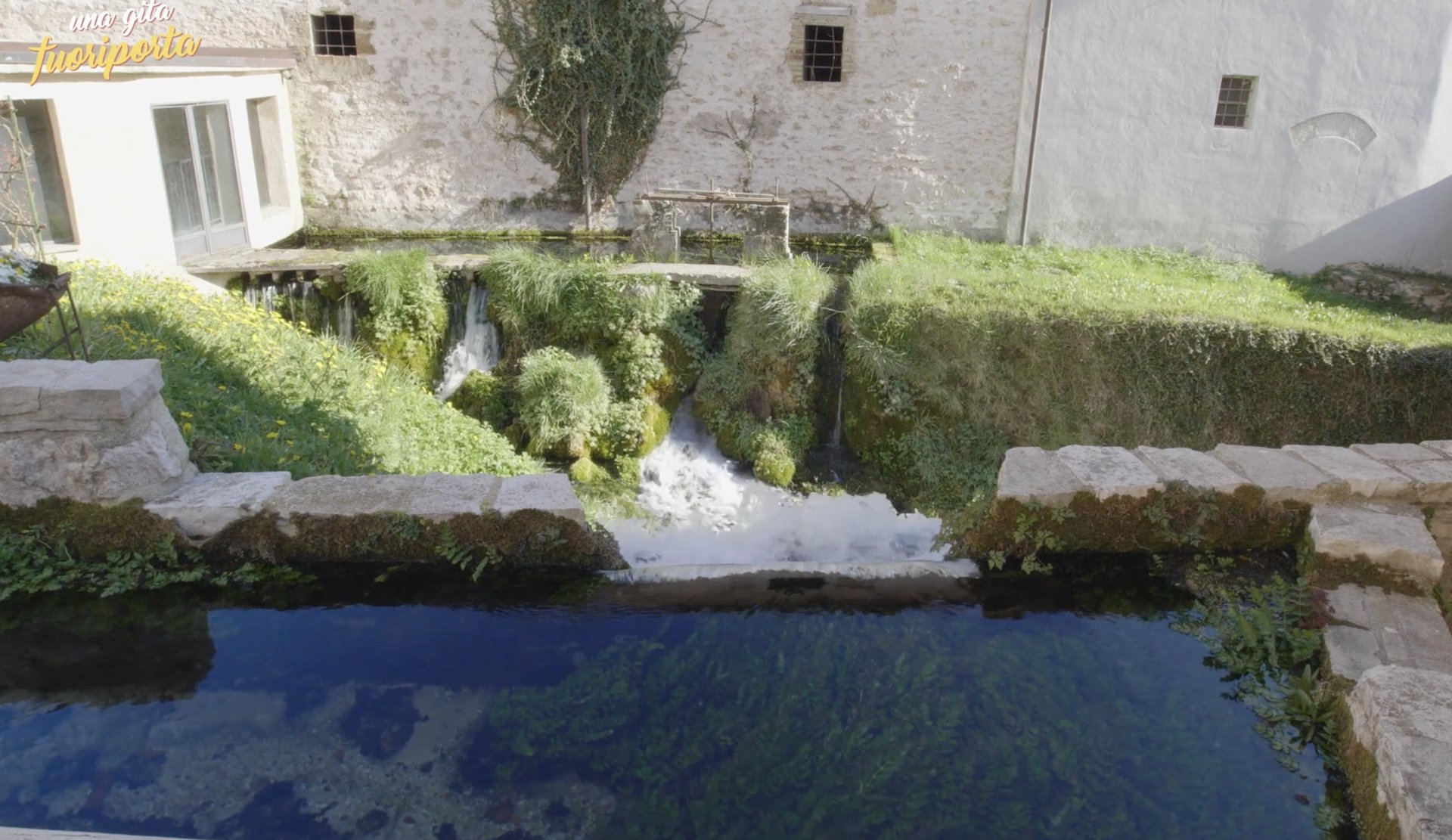
The streams gather in the large Peschiera pool, one of the most photographed spots in the village. From there, the path along the Menotre leads out of the village, through the green of the valley. The full itinerary can be found on italia.it's guide to Rasiglia and its surroundings.
Rasiglia in winter and at Christmas
In winter Rasiglia is quieter, and the water running between the stone houses can be heard even more clearly. It's the ideal time for anyone looking for a village without the crowds. At Christmas, moreover, the village hosts its own living nativity scene every year, using the alleyways and mills themselves as its backdrop. The village's other big festival takes place in June, with "Penelope a Rasiglia", dedicated to the traditional crafts of weaving.
Our visit: between Foligno and the Valnerina
We've been visiting Rasiglia with Una gita fuoriporta since our very first season, with the episode Foligno & Rasiglia, which you can watch again on demand. And we've returned to the surrounding area many times: to Trevi, in the fourth season, and to Scheggino, in the Valnerina, for the Diamante Nero (Black Diamond) truffle. There, David Romano described a village «with a soul made of history and landscapes»: words that seem to fit Rasiglia just as well.
For David Romano, Rasiglia is also a personal memory. «The first time I arrived in Rasiglia I was just a tourist, and I wasn't ready for what I found» he recalls. «You expect a village like any other, but instead you're greeted by the sound of water: streams running beneath the houses, little waterfalls between the alleyways, pools so clear you can see right to the bottom. It immediately felt like a little Venice tucked away among Umbria's mountains. When I went back to film the episode of Una gita fuoriporta, I thought the sense of surprise would be gone, but it was just as moving as the first time. Every little bridge, every mill tells a story. Rasiglia was a true discovery, and it's one of those places everyone should see at least once in their lifetime.»
For those who love walking, in winter there's also our guide to snowshoeing trips in Umbria. You'll find more ideas for the region on our Umbria page.
Practical tips for visiting Rasiglia
- Arrive from Foligno: the village is about 20 kilometres away, along the SS319 Sellanese road.
- Go on a weekday: on sunny weekends the village fills up with visitors.
- Wear comfortable, non-slip shoes: the alleyways and steps near the water can be damp.
- Respect the village: it's a place where people actually live, not a theme park.
- Combine it with another stop: Trevi, the Fonti del Clitunno and Foligno are all nearby.
- Check the dates of the living nativity scene: the calendar is published close to the festive season.
And to choose your next destination, on our website you'll find all the episodes of Una gita fuoriporta available to watch on demand.
Frequently asked questions about Rasiglia
Where is Rasiglia?
In Umbria, in the Menotre valley: it's a hamlet of the Municipality of Foligno, in the province of Perugia, about 20 kilometres from the city.
Why is Rasiglia called Umbria's little Venice?
Because it's crossed by numerous streams that rise from the village's springs and flow between the houses, alleyways and mills.
What should you see in Rasiglia?
The bridge over the Menotre, the square with its fountain, the Mulino della Rocchetta, the Accorimboni wool mill, the Museo delle Acque and the Peschiera.
When is the best time to visit Rasiglia?
Any time of year. In winter there are fewer crowds, and at Christmas the village hosts its living nativity scene; in June there's the "Penelope a Rasiglia" festival.