
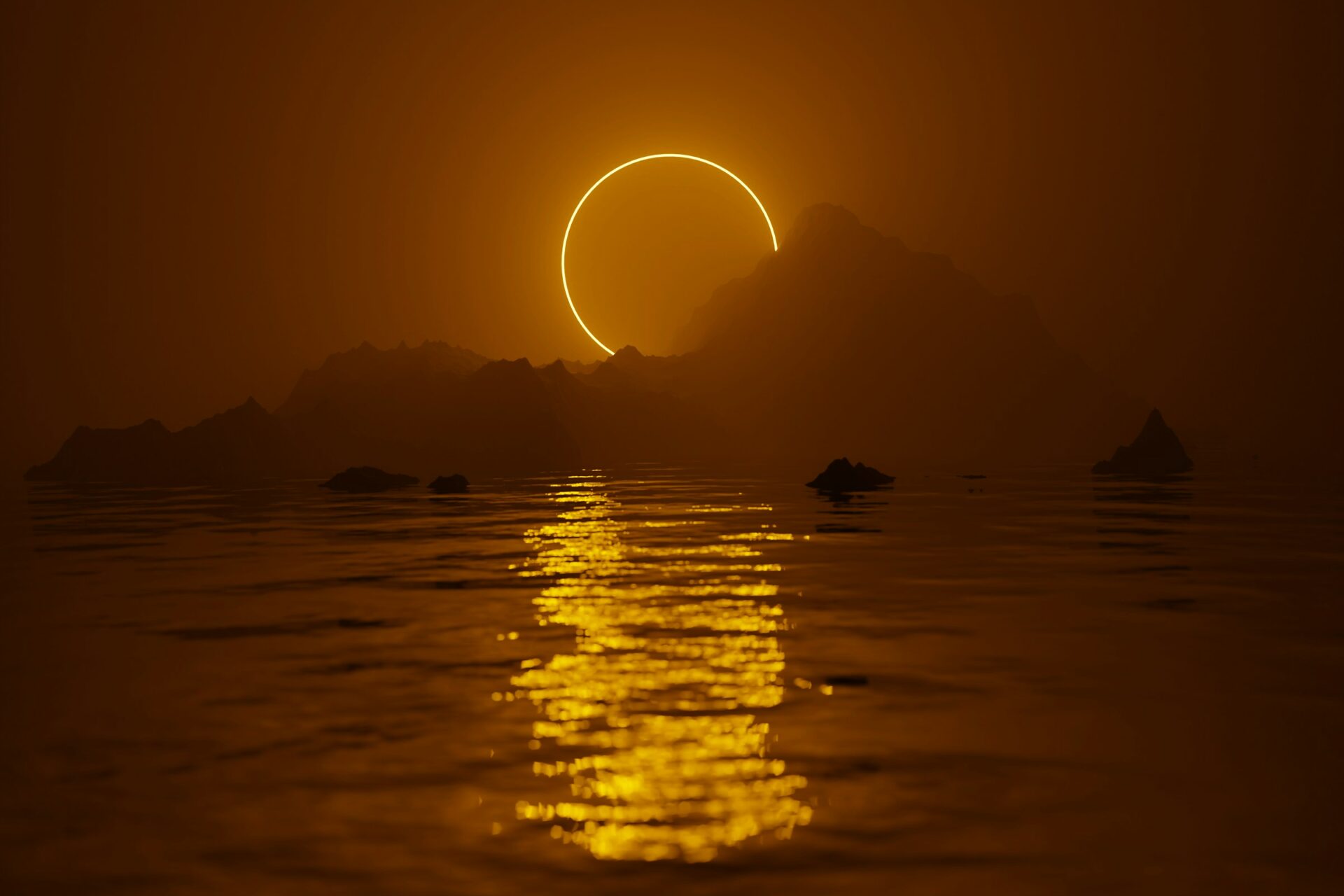
2024 is a year packed with astronomical events, both recurring – such as the Perseid meteor shower, the famous “shooting stars” of San Lorenzo – and rare, such as the close approach to our planet of the “Devil Comet”.
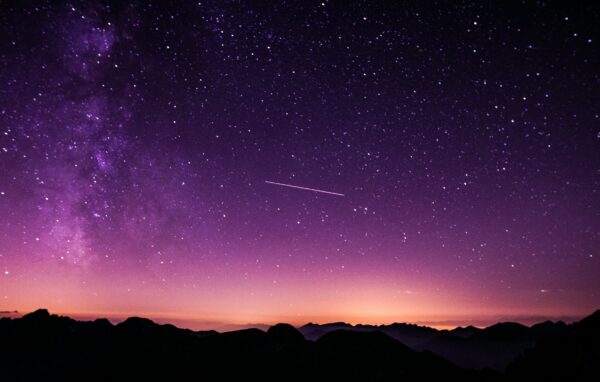
Every year brings the return of meteor showers, which consist of a large number of debris particles burning up in the atmosphere and creating bright streaks of light.
The first in chronological order is the Eta Aquariids, peaking between 6 and 7 May, generated by debris left behind by the famous Halley's Comet, which can produce as many as 50 shooting stars an hour.
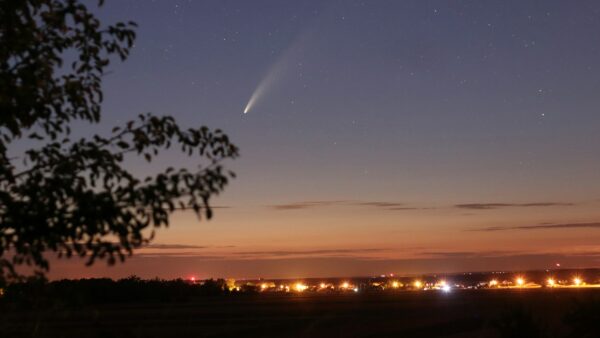
The comet 12P/Pons-Brooks, nicknamed the “Devil Comet” because of its coma's peculiar devil-horn shape, could become visible to the naked eye in June 2024. Around 17 km across, it returns near Earth after a full 70 years, passing just 232 million kilometres from our planet around 2 June.
August, on the other hand, is dominated by the shooting stars par excellence: the Perseids, whose peak is commonly associated with the night of San Lorenzo on 10 August, though it actually occurs between 12 and 13 August. The Perseids are generated by debris from Comet Swift-Tuttle and, at their peak, produce up to 60 sightings an hour.
As every year, the Moon will put on a great show, with two supermoons expected on 18 September and 17 October. A supermoon refers to the simultaneous occurrence of a full Moon and lunar perigee, that is, the point at which our satellite comes closest to Earth. During supermoons, the Moon's apparent size in the sky increases by about 10%, while its brightness rises by around 30%.
The last major meteor shower of the year is the Geminids, peaking between 13 and 14 December, which produce the highest number of sightings of all meteor showers, up to 120 an hour. They are generated by debris left behind by asteroid 3200 Phaethon.

2024 will also feature two lunar eclipses. The first is a penumbral lunar eclipse, visible from Italy on 25 March 2024. Penumbral lunar eclipses occur when the Moon passes solely through Earth's penumbra. The second is the partial lunar eclipse of 18 September 2024, in which our satellite will enter Earth's shadow only partially, becoming obscured at around 4am.
If you're planning a trip to the United States, the best time to go, astronomically speaking, will be 8 April. On that day, the US will experience a spectacular total solar eclipse, visible all the way from Texas to Maine. On those days, the comet Pons-Brooks will also be in the sky at the same time, meaning that, with the right equipment, the comet may be visible in broad daylight during the phase of totality.
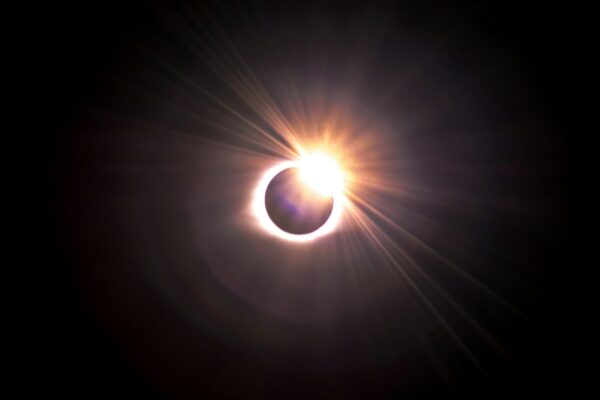
If, on the other hand, you'd rather visit South America, then it's best to plan your trip to be in southern Chile or Argentina on 2 October, when an annular solar eclipse will occur, in which the Sun's disc will not be fully covered by the Moon, resulting in a ring of light around the darkened Moon.
We round off 2024's astronomical events with the exact dates and times of the equinoxes and solstices. The spring equinox will occur at 4:06am on 20 March, while the autumn equinox falls at 2:43pm on 22 September. The summer solstice falls on 20 June at 10:50pm, while the winter solstice occurs at 10:20am on 21 December.